


A nutrient can be small in dose but central to the work your body carries out every day. So, what does folic acid do? It helps your body make healthy red blood cells, supports normal cell division and contributes to normal psychological function. It is also especially important before and during early pregnancy, when a baby’s neural tube is developing.
Folic acid is a practical, well-established supplement rather than a passing wellness trend. Knowing when it is useful, how it differs from food-based folate and what dose is right for you can make choosing a supplement much simpler.
What does folic acid do?
Folic acid is the supplemental form of folate, also known as vitamin B9. Folate is needed for several essential processes, particularly those involving growth, renewal and the production of new cells.
Your body uses folate to support normal blood formation. Red blood cells carry oxygen around the body, so making them properly matters for day-to-day energy and wellbeing. Low folate levels can contribute to a type of anaemia called megaloblastic anaemia, which may cause symptoms such as tiredness, weakness, breathlessness, headaches or a pale complexion.
Folate also contributes to normal homocysteine metabolism. Homocysteine is an amino acid in the blood. The body needs folate, alongside vitamins B6 and B12, to process it normally. This is one reason folic acid is often considered as part of a broader approach to heart health, although a supplement is not a replacement for medical advice or a balanced lifestyle.
It also has a role in normal amino acid synthesis, normal immune system function and the reduction of tiredness and fatigue. These are useful benefits, but they should be understood in context: folic acid supports normal body functions. It is not a stimulant and will not provide an instant energy boost in the way a strong coffee might.
Folic acid and pregnancy
Folic acid is most widely known for its role in pregnancy. Taking it before conception and during the first 12 weeks of pregnancy helps reduce the risk of neural tube defects, including spina bifida, in the developing baby.
The neural tube forms very early in pregnancy, often before someone knows they are pregnant. That is why UK guidance advises people who could become pregnant to take a daily folic acid supplement of 400 micrograms from before conception until the end of the 12th week of pregnancy.
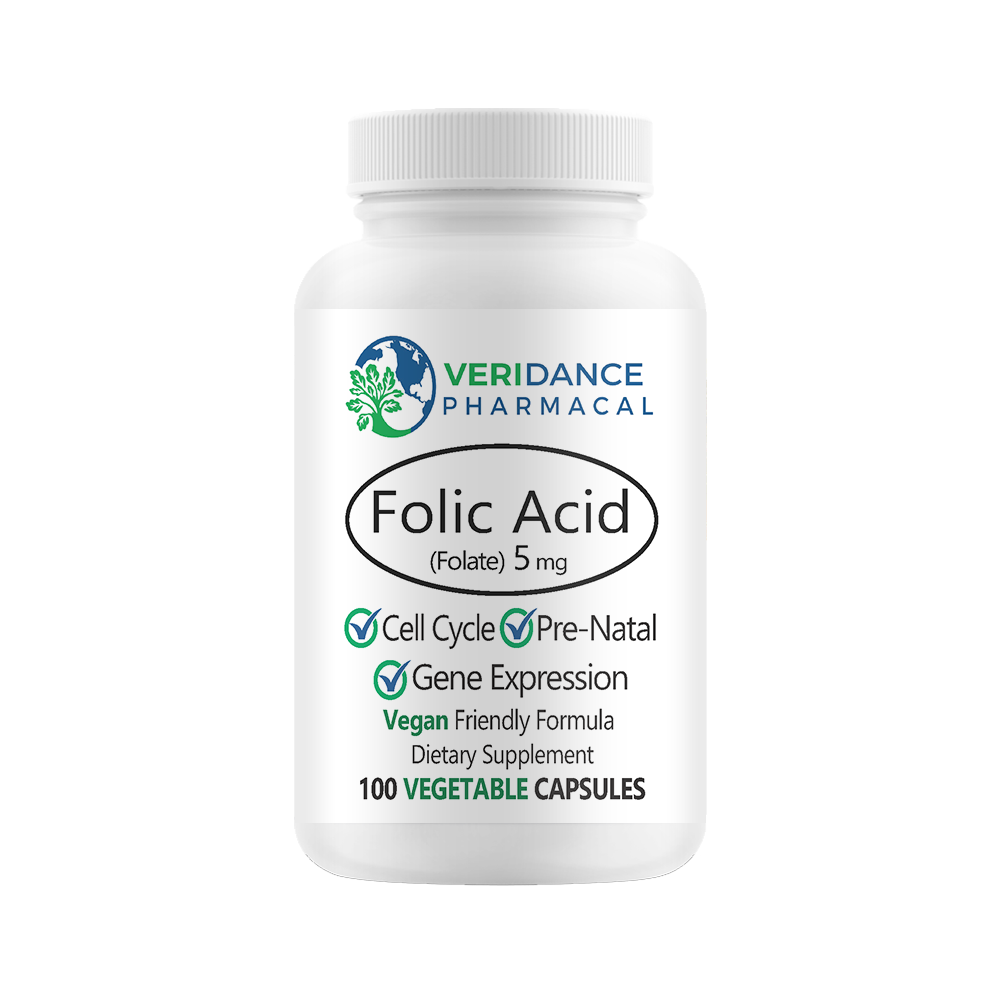
Some people may be advised to take a higher 5 mg dose. This can apply in circumstances such as a previous pregnancy affected by a neural tube defect, certain medical conditions, use of particular medicines or diabetes. A 5 mg dose should be taken only when recommended by a GP, midwife or other qualified healthcare professional.
Folic acid remains part of good nutrition after the first trimester, but the specific higher-priority window for neural tube development is before conception and early pregnancy. If you are pregnant, trying for a baby or considering pregnancy, personalised advice is always worthwhile.
Folic acid versus folate: what is the difference?
The terms are often used interchangeably, but there is a useful distinction. Folate is the naturally occurring form of vitamin B9 found in food. Folic acid is a stable form used in supplements and fortified foods.
Natural folate can be found in leafy green vegetables, beans, peas, chickpeas, lentils, citrus fruits, asparagus, broccoli and some fortified breakfast cereals. A varied diet is the best foundation for health, and these foods provide other valuable nutrients and fibre too.
However, getting enough folate consistently from food can be difficult. Cooking and storage can reduce the folate content of some foods, and people do not always eat the same nutrient-rich meals every day. A measured folic acid supplement offers a straightforward way to support intake, particularly where needs are higher or dietary habits are inconsistent.
The best choice depends on your situation. For many adults, food first plus a sensible supplement when appropriate is a practical approach. For anyone planning a pregnancy, a daily folic acid supplement is recommended even with a healthy diet.
Who may benefit from a folic acid supplement?
Folic acid is not only relevant to pregnancy. Adults may consider their folate intake when their diet is limited in folate-rich foods, when they follow a restrictive eating pattern or when a healthcare professional has identified low folate levels.
Older adults and people with digestive conditions that affect nutrient absorption may also need individual advice. Certain medicines can influence folate status or interact with folic acid, so it is sensible to speak with a pharmacist, GP or prescribing clinician before supplementing if you take regular medication.
People seeking support for tiredness sometimes look towards folic acid, especially as it contributes to the reduction of fatigue. Yet tiredness has many possible causes, including poor sleep, stress, low iron, low vitamin B12, thyroid concerns and illness. Persistent or unexplained fatigue deserves a proper conversation with a healthcare professional rather than self-treating with supplements alone.
How much folic acid should you take?
For most adults, the amount needed depends on diet, life stage and individual health needs. The UK reference nutrient intake for folate for adults is 200 micrograms per day from food and supplements combined.
For pregnancy planning and the first 12 weeks of pregnancy, the usual recommendation is 400 micrograms of folic acid daily. Higher-dose folic acid is for clinical use under professional guidance.
More is not automatically better. Taking high doses of folic acid for extended periods can mask signs of vitamin B12 deficiency. This matters because untreated B12 deficiency can lead to neurological damage. If you are considering a high-strength product, have symptoms of deficiency or follow a vegan diet, it may be useful to discuss both folate and B12 with a healthcare professional.
Always follow the serving guidance on the label. A supplement should fit your routine and needs, not become another complicated health task.
When and how to take folic acid
Folic acid can generally be taken at a time that suits you. Many people choose to take it with breakfast to make it easy to remember, although it can usually be taken with or without food. Consistency matters more than the exact hour.
If you take several supplements, check the labels to avoid doubling up. Folic acid may already be included in a multivitamin or B complex, while a single-ingredient product can be useful when you want a clear, targeted dose.
A vegetable capsule may suit those looking for a convenient plant-based format. Keep supplements somewhere cool and dry, and out of reach of children. If you miss a dose, simply take the next one as planned rather than taking extra.
Choosing a folic acid supplement with confidence
A good supplement choice should be uncomplicated. Look for a clearly stated amount per capsule, a format you are happy to take daily and straightforward ingredient information. It is also helpful to buy from a retailer that gives clear product details and reliable fulfilment, particularly when you are replenishing a supplement you use regularly.
For pregnancy, the key consideration is not chasing the highest potency. It is taking the recommended 400 micrograms daily at the right time. For other needs, a healthcare professional can help you decide whether folic acid alone, a B complex or dietary changes are the most suitable route.
Folic acid does quiet but essential work: supporting healthy blood formation, cell division and early pregnancy development. If it fits your health needs, a simple daily routine can provide dependable support while you continue to build the wider habits that help you feel well.