


A folic acid supplement is small, but the right routine matters. If you are wondering how to take folic acid, the simple answer is to follow the dose on your product label or the advice from your GP, pharmacist or midwife, and take it consistently. The best approach can vary depending on whether you are supporting your everyday diet, planning a pregnancy or taking certain prescribed medicines.
What folic acid does in the body
Folic acid is the supplemental form of folate, a B vitamin that helps the body make healthy red blood cells and supports normal cell division. Folate occurs naturally in foods such as leafy green vegetables, beans, chickpeas, oranges and fortified breakfast cereals. Folic acid is used in supplements and in some fortified foods because it is a stable, reliable form of the nutrient.
A varied diet remains the foundation of good nutrition, but a supplement can be a practical choice when food intake is inconsistent or your needs are higher. This is particularly relevant before and during early pregnancy, when folate supports maternal tissue growth and contributes to normal blood formation.
How to take folic acid tablets or capsules
Most folic acid supplements can be taken once daily with water. You can generally take them with or without food, so choose the option that is easiest to maintain. If supplements make you feel slightly queasy, taking your capsule with a meal or snack may feel more comfortable.
Morning, lunchtime or evening can all work. Folic acid does not usually need to be taken at a particular time of day. What matters most is making it part of a routine you can remember, such as alongside breakfast or when you brush your teeth at night.
Swallow capsules or tablets whole unless the packaging specifically says they can be chewed, split or dissolved. Store the pack in a cool, dry place, away from direct sunlight and out of reach of children.
Make consistency easier
A daily supplement is most useful when it is taken regularly. Keep it somewhere sensible and visible, but not in a humid bathroom cabinet. Pairing it with an existing habit, such as making your morning tea, can help.
If you miss a dose, take it when you remember unless it is nearly time for the next one. In that case, skip the missed dose and return to your usual schedule. Do not take two doses together to make up for one you missed unless a healthcare professional has told you to do so.
Choosing the right dose of folic acid
The right dose depends on why you are taking it. For adults, the UK reference nutrient intake for folate is 200 micrograms a day, which can come from food and supplements. Products vary in strength, so always check the amount per tablet or capsule rather than assuming all folic acid supplements are the same.
For most people who could become pregnant, UK health guidance recommends taking 400 micrograms of folic acid each day before conception and until the 12th week of pregnancy. Ideally, start before you stop using contraception, as the neural tube develops very early in pregnancy, often before someone knows they are pregnant.
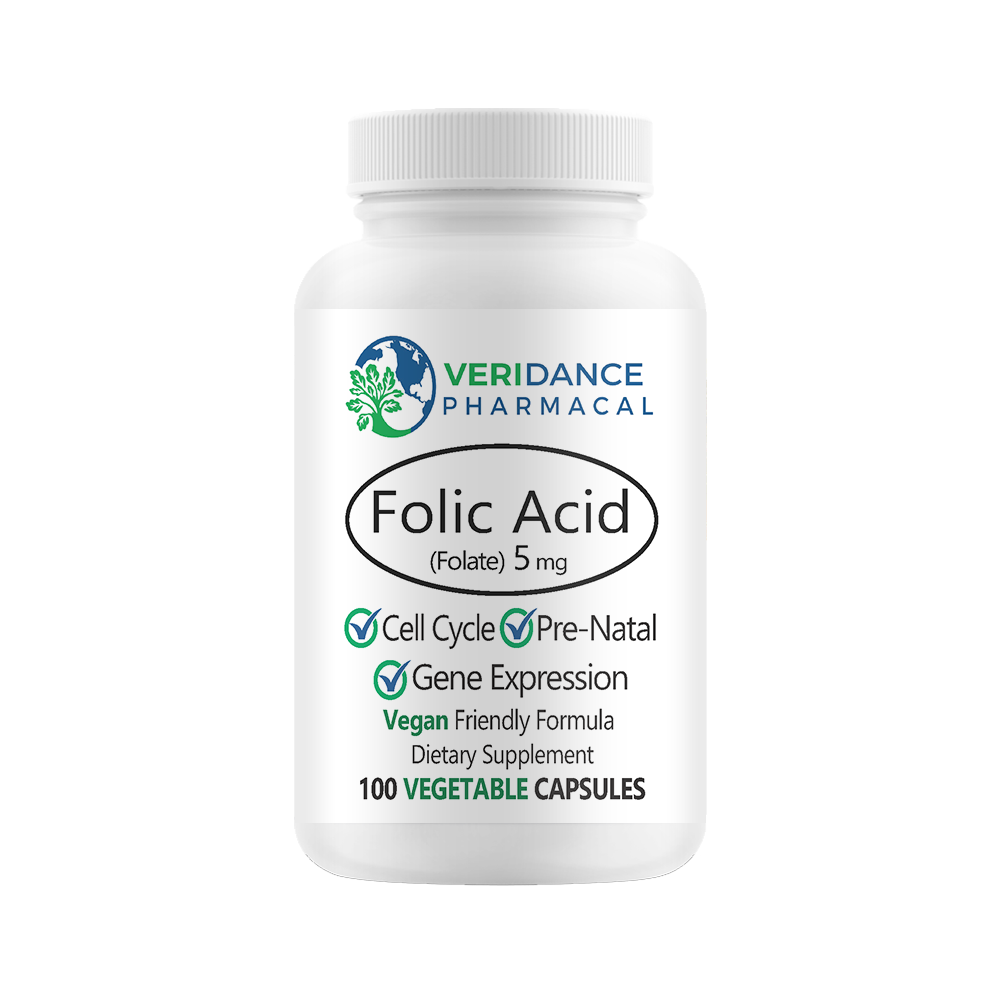
Some people are advised to take a higher 5 mg dose. This is a prescribed strength and may be recommended by a GP or midwife if there is a higher risk of a neural tube defect, for example due to certain medical conditions, previous pregnancy history, or particular medicines. Do not self-select a 5 mg dose simply because higher sounds better. The dose should match your individual circumstances.
Check your other supplements first
Many multivitamins, prenatal supplements and vitamin B complexes already include folic acid or folate. Taking more than one product may mean you are doubling up without realising it.
Read each label and add up the daily amount. This is especially useful if you take a multivitamin for general support alongside a separate folic acid product. A simple, focused supplement can make it easier to understand exactly what you are taking.
When should you ask for professional advice?
Folic acid is widely used, but it is still worth checking with a pharmacist, GP or midwife before starting a supplement if you take regular medication, are pregnant, have a long-term health condition or have been told you have low vitamin B12.
Higher intakes of folic acid can mask some signs of vitamin B12 deficiency while nerve damage from B12 deficiency continues. This is one reason not to use a high-strength product long term without advice, particularly if you have symptoms such as unexplained tiredness, pins and needles, a sore tongue, memory changes or balance problems.
You should also speak to a healthcare professional if you use medicines for epilepsy, methotrexate, or medicines that may affect folate levels. Folic acid is sometimes deliberately prescribed alongside methotrexate, but the amount and timing are specific to the condition being treated. Follow the plan from your prescriber rather than changing it yourself.
If blood tests have identified folate deficiency, your clinician may recommend a different dose and duration from a standard over-the-counter supplement. They may also investigate the cause, which could include dietary intake, absorption issues or another health condition.
Folic acid when planning a pregnancy
For those planning a pregnancy, folic acid is one of the most straightforward steps you can take before conception. Take 400 micrograms daily, continue through the first 12 weeks of pregnancy, and aim for a balanced diet containing folate-rich foods as well.
If pregnancy is unplanned and you are not already taking folic acid, start as soon as you find out you are pregnant and contact your midwife or GP for personalised advice. There is no need to feel that you have failed if you did not start beforehand. The helpful next step is simply to begin the recommended routine promptly.
People following a vegan diet, those with coeliac disease or other conditions that affect nutrient absorption, and those who have had bariatric surgery may need more individual guidance. A healthcare professional can help assess whether folic acid alone is appropriate or whether other nutrients, including vitamin B12, should be considered too.
Can you take folic acid with other vitamins?
Folic acid is often taken with other B vitamins and is commonly included in prenatal formulas. It can also fit into a routine with supplements such as vitamin D, magnesium or omega-3, provided you follow each product's instructions and keep an eye on overlapping ingredients.
There is no prize for taking the largest number of supplements. A simpler routine with products that match a clear need is usually easier to keep up and easier to review. If you are unsure whether your current combination is suitable, take the packs to a pharmacist and ask them to check the ingredients and doses.
A practical daily routine
Choose a folic acid supplement with a clearly stated strength and take the labelled daily amount with water. Build it into a regular habit, avoid doubling up with similar products, and seek advice before taking a high dose or combining it with prescribed medication.
For everyday use, consistency and clarity are more valuable than complication. The right folic acid routine should feel easy to follow, fit your wider diet and health needs, and give you confidence in what you are taking.