
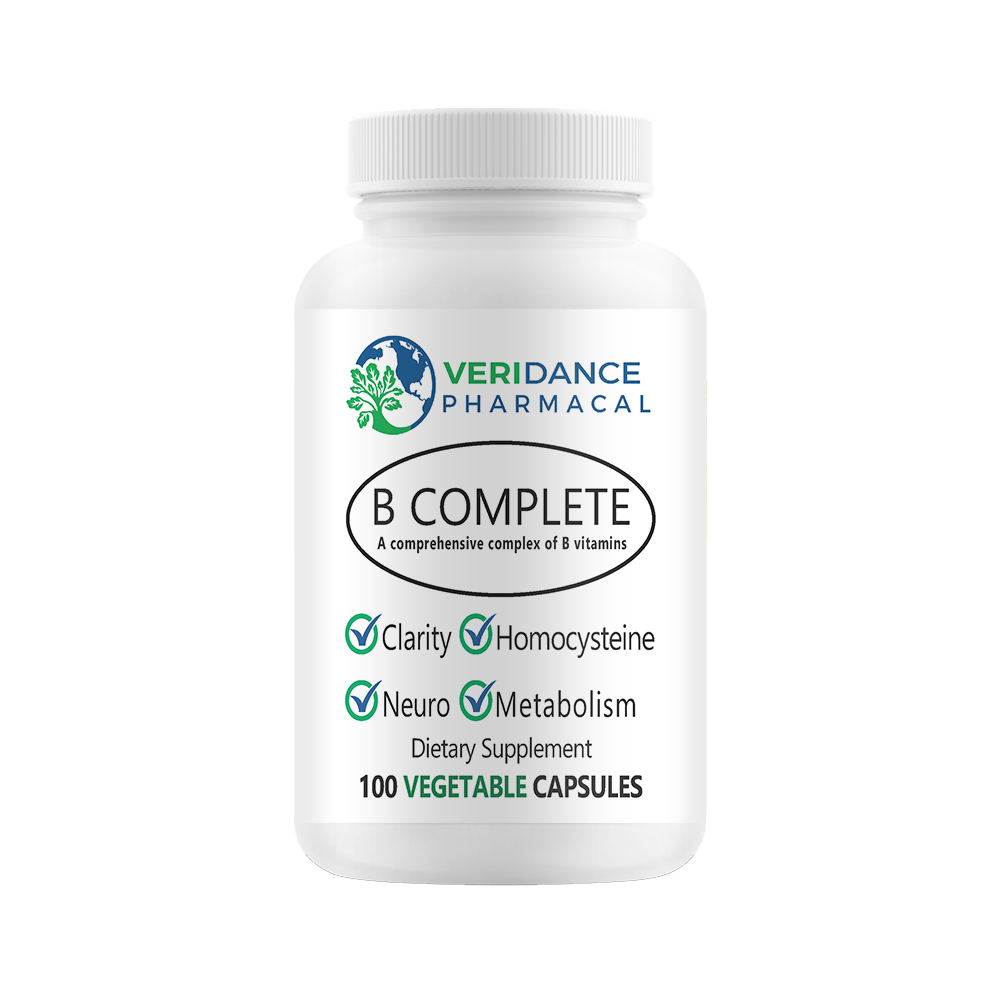
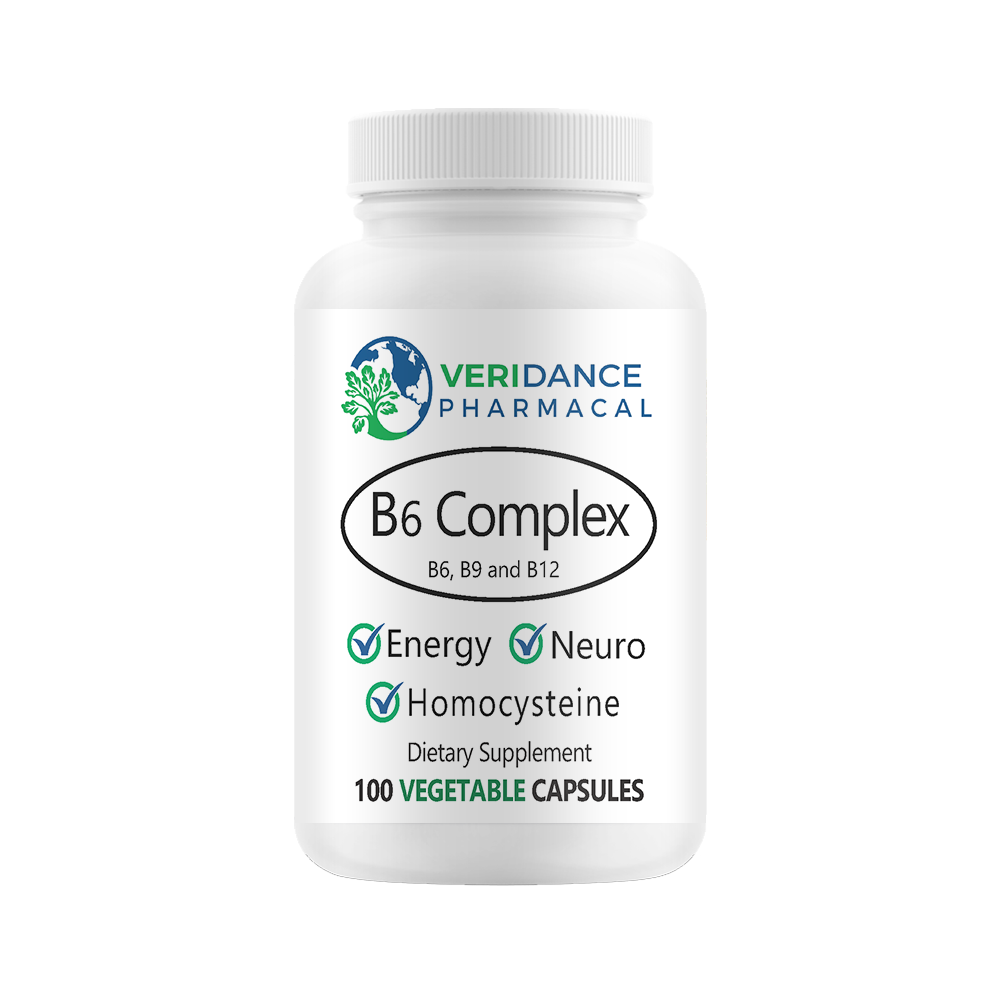



That mid-afternoon slump, the feeling of running on empty, or the sense that stress is taking more out of you than it should - these are often the moments that lead people to search for a guide to vitamin B complex. It is a sensible place to start. B vitamins are involved in energy release, nervous system support and many of the everyday processes that help you feel steady, focused and well.
Vitamin B complex is not one single nutrient. It is a group of B vitamins that work together in the body, each with its own role but often with overlapping benefits. For many adults, especially those with busy routines, restricted diets or periods of increased stress, a well-formulated B complex can be a practical addition to daily supplementation.
What is vitamin B complex?
A vitamin B complex usually contains a combination of the main B vitamins, including B1, B2, B3, B5, B6, biotin, folic acid or folate, and B12. Some formulas also include choline or inositol, though these are not always present.
These vitamins are water-soluble, which means the body does not store most of them in the same way it stores fat-soluble vitamins. That matters because regular intake is usually more useful than taking them only now and then. If your diet is inconsistent or your needs are higher than usual, a daily supplement can help support a steady intake.
The reason B complexes are popular is simple. Rather than picking one B vitamin in isolation, they offer broader support across energy metabolism, mental performance and the nervous system. That does not mean everyone needs a high-strength formula, but it does explain why B complexes are often chosen over a standard multivitamin when the goal is more targeted support.
A guide to vitamin B complex benefits
The most common reason people choose a B complex is energy support. B vitamins help the body convert food into usable energy, so they are closely tied to normal energy-yielding metabolism. This is not the same as a stimulant effect. A B complex will not act like caffeine, but it can support the systems your body relies on to produce energy efficiently.
They are also widely used for stress support. Vitamins such as B6, folate and B12 contribute to normal psychological function, while several B vitamins support the normal functioning of the nervous system. If you are dealing with long working hours, poor sleep or a generally demanding routine, this is often where a B complex feels most relevant.
Mood support is another area people ask about. B vitamins are involved in pathways linked to brain function and homocysteine metabolism, which is one reason folate, B6 and B12 often attract attention. It is worth keeping expectations realistic though. A supplement can support normal function, but it is not a quick fix for low mood, persistent fatigue or ongoing health concerns that need proper medical advice.
Some people also take vitamin B complex for heart health, particularly because folate, B6 and B12 contribute to normal homocysteine metabolism. Others look to it for support during periods of tiredness, demanding exercise schedules or while following plant-based diets where B12 intake may need more attention.
Who may benefit from a vitamin B complex?
There is no single profile of the ideal B complex user, but some groups are more likely to consider one. Busy professionals often turn to B vitamins when meals become irregular and stress levels are consistently high. Adults over time may also review their B12 intake, as absorption can change with age.
Vegetarians and vegans are another obvious group, particularly in relation to B12. While some B vitamins are widely available in food, B12 is found naturally mainly in animal products. Anyone eating little or no meat, fish, eggs or dairy may want to be more deliberate about intake.
People with restrictive diets, low appetite, or long periods of tiredness also tend to look at B complexes. Even so, it is worth saying that ongoing fatigue should not be brushed aside as a simple supplement issue. Sometimes the answer is dietary, sometimes lifestyle-related, and sometimes it needs a conversation with a GP.
Pregnancy is a separate case. Folate matters before and during early pregnancy, but that does not mean every standard B complex is the right option. If this applies to you, it is better to choose products and advice designed specifically for that stage of life.
How to choose the right vitamin B complex
This is where a practical guide to vitamin B complex matters most. The best product is not always the one with the biggest number on the label. Potency matters, but so does balance.
Start by checking which B vitamins are included and in what amounts. A complete formula should cover the main B vitamins rather than focusing heavily on one or two. If your main goal is everyday energy and stress support, a balanced high-potency formula is often a sensible choice.
Next, think about format. Vegetable capsules are a straightforward option for many adults, especially those who prefer a cleaner supplement routine. If you are taking supplements daily, convenience counts. The easier a product is to take consistently, the more useful it tends to be.
It is also worth looking at quality cues. Clear labelling, sensible dosage instructions and a focused formula are usually better signs than exaggerated claims. If a product promises dramatic changes overnight, it is probably overselling what a nutritional supplement can realistically do.
One more point - more is not always better. Very high levels of certain B vitamins may not be necessary unless there is a specific reason for them. For general use, choose a formula that is strong enough to provide meaningful support but still practical for daily use.
When should you take vitamin B complex?
Most people take vitamin B complex in the morning, often with breakfast or lunch. That tends to suit the reason many people use it in the first place - energy, focus and daytime support. Taking it with food can also help if you have a sensitive stomach.
There is no universal rule that says it must be taken at a certain hour, but consistency helps. If you remember it more easily with your first meal, that is usually the best time. For some people, taking B vitamins later in the day feels less suitable, particularly if they prefer to keep their evening supplement routine simple.
If you already take other products such as vitamin D, magnesium or omega-3, a B complex can often fit alongside them. The key is not to build an overly complicated routine that becomes hard to maintain.
What to expect from a B complex
A good B complex is usually about steady support rather than a dramatic shift. Some people feel the benefit quite quickly, especially if intake has been low, but for many it is more subtle. You may simply feel less run down, more consistent in your energy, or more reassured that your routine is covering an important gap.
Results also depend on why you are taking it. If the issue is poor sleep, a chaotic diet and too much stress, no supplement can carry the whole load on its own. The best outcomes tend to come when supplementation sits alongside regular meals, hydration, movement and decent sleep where possible.
That balanced view matters. Supplements are there to support health, not replace the basics.
Common questions in any guide to vitamin B complex
One of the most frequent questions is whether you can get enough B vitamins from food alone. In many cases, yes. A varied diet with wholegrains, leafy greens, legumes, eggs, dairy, meat and fish can provide a good intake. But not everyone eats that way consistently, and not every life stage or dietary pattern makes it easy.
Another question is whether a multivitamin is enough. Sometimes it is. But multivitamins are often broad rather than targeted. If your main focus is energy, stress or nervous system support, a dedicated B complex may offer a clearer fit.
People also ask whether all B complexes are the same. They are not. Ingredient levels, capsule quality, formula balance and intended use can vary a lot. That is why choosing on label clarity and practical benefit usually works better than choosing on price alone.
If you are taking medication, have a medical condition, or are pregnant or breastfeeding, it is sensible to check before starting a new supplement. That is not about creating worry. It is just the most practical way to make sure your routine suits your needs.
A well-chosen vitamin B complex can be one of the simpler additions to a daily health routine - especially when your goal is reliable support for energy, mood and stress resilience. Keep it straightforward, choose quality over hype, and aim for a routine you can actually stick to.