
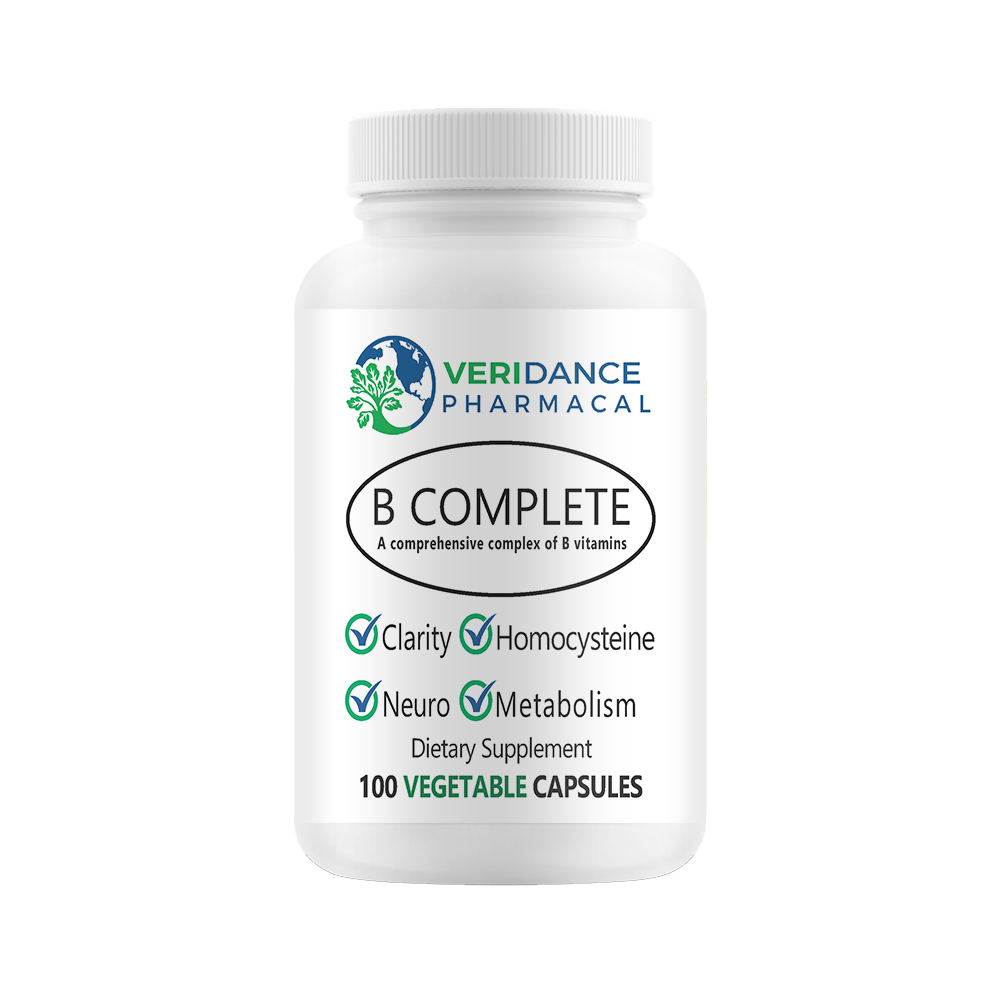
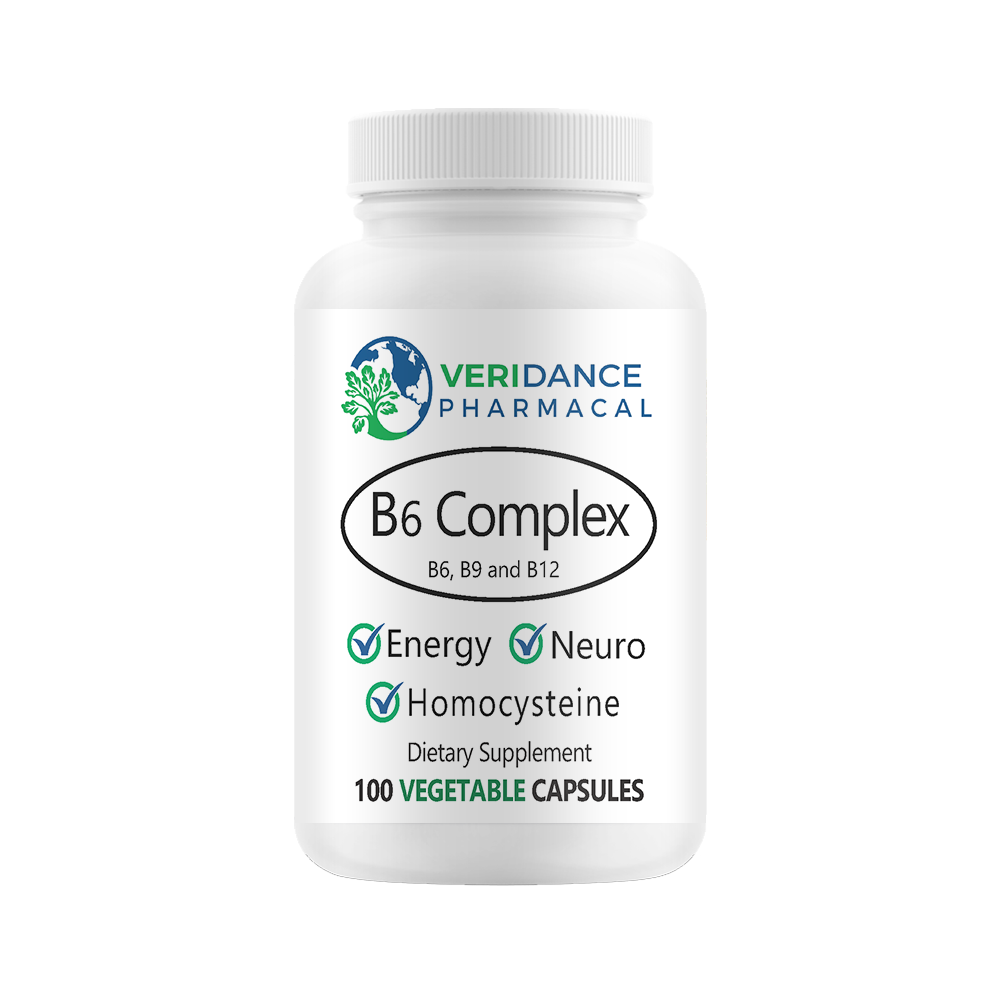
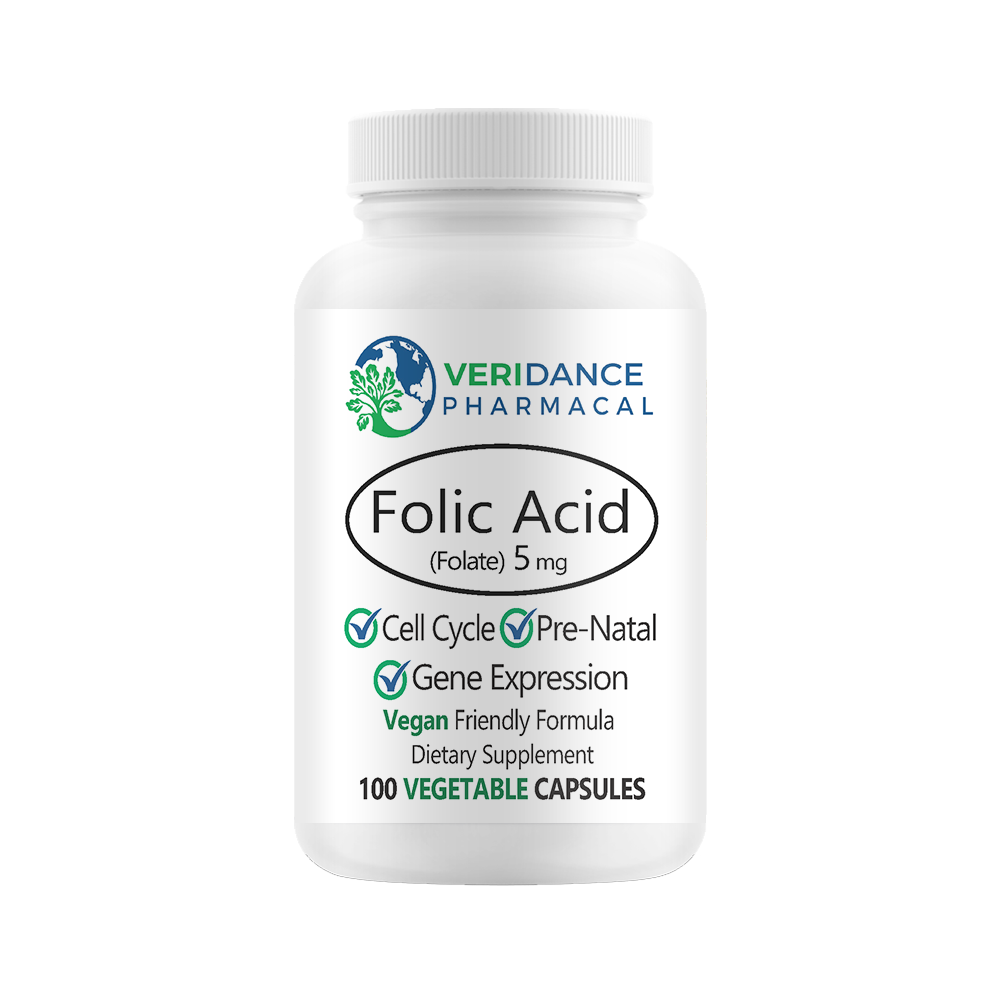


Most people do not need more supplements. They need better ones. If you are searching for high quality vitamins UK shoppers can rely on, the real question is not which bottle looks premium. It is whether the product gives you the right nutrient, in the right form, at a useful strength, with clear labelling and dependable standards behind it.
That matters because the UK supplement market is crowded. Two products can both say magnesium, vitamin D or omega-3 on the front, yet differ sharply in potency, absorption, purity and overall value. A lower price is not always a bargain if the dose is weak, the form is poorly chosen, or you need to take several capsules a day to get a meaningful amount.
What high quality vitamins in the UK actually means
High quality is not just about premium packaging or broad wellness claims. In practice, it means a supplement is clearly formulated, accurately labelled and made for a specific health outcome. If you are buying vitamin D for bone and immune support, magnesium for muscles and stress support, or a B complex for energy, the product should make that purpose obvious and match it with sensible potency.
Ingredient form is one of the first things to check. Magnesium is a good example. Magnesium oxide is common and often cheaper, but many people prefer forms such as citrate or glycinate depending on their needs and tolerance. The same principle applies across other nutrients. A high quality supplement does not hide behind vague wording when the actual form matters.
Strength also matters, but more is not automatically better. There is a difference between high potency and unnecessary excess. Some people want a straightforward one-a-day capsule because consistency is easier than managing multiple tablets. Others may need a lower dose that fits around diet, medications or professional advice. Good products make that decision easier by stating dosage clearly.
How to assess high quality vitamins UK shoppers are buying online
When you shop online, you cannot hold the product in your hand, so the label has to do more work. Start with the basics. You should be able to see what is in the product, how much of each nutrient it contains, how many capsules are in the pack, and how many to take per day. If any of that is unclear, move on.
Next, look at the formula itself. A focused supplement is often more useful than an overstuffed blend with long lists of ingredients in token amounts. If you want folic acid, vitamin D3 with K2, or omega-3 support, a direct formula can be easier to understand and easier to use consistently. It also helps you avoid paying for ingredients you are not actively looking for.
Capsule format is another practical sign of quality. Many customers prefer vegetable capsules because they fit neatly into a plant-based or ingredient-conscious routine. Soft capsules can make more sense for oils such as omega-3. Neither format is better in every case. The key point is whether the chosen format suits the nutrient and the person taking it.
Purity and ingredient standards matter as well. Health-conscious buyers are often looking for supplements that are clean, straightforward and free from unnecessary additives. That does not mean every extra ingredient is a problem, because capsule shells and stabilising agents can be part of normal manufacturing. It does mean you should be able to understand why each component is there.
The labels and claims worth paying attention to
Front-of-pack claims can be helpful, but they should never replace the supplement facts. Phrases such as high strength, premium or advanced formula sound positive, yet they only mean something when the label backs them up.
Look for products that connect clearly to a real wellness goal. Energy support, stress support, mood, heart health and bone support are all familiar reasons people choose supplements. The best products state these benefits plainly and keep the formula aligned with that outcome. A vitamin B complex for energy and nervous system support makes sense. A vitamin D3 and K2 formula for bone support and normal calcium handling makes sense. Clear positioning usually reflects clearer formulation.
You should also check serving size. Some products appear strong until you realise the stated nutrient amount requires two, three or even four capsules daily. That may still be acceptable, but it changes cost, convenience and whether you will actually keep taking it.
Why single-nutrient and targeted formulas often make sense
Many adults already know what they want support with. They are not looking for a catch-all multivitamin with everything thrown in. They want magnesium for muscles or relaxation, a B complex for daily energy, folic acid for a specific nutritional need, or omega-3 for heart and general wellbeing.
That is why targeted formulas can be a smarter choice. They help you match the supplement to the reason you are taking it. They also make it easier to adjust your routine over time. If your needs change, you can swap one product without replacing your whole stack.
There is a trade-off, of course. If you prefer one simple product and you are not focused on any single area, a broader formula may feel more convenient. But for many regular supplement users, a smaller number of well-chosen, high-potency products is easier to trust and easier to stay consistent with.
Common categories where quality makes a noticeable difference
Vitamin D is a good place to start, especially in the UK where sunlight exposure can be limited for much of the year. Here, quality often comes down to strength, the form used, and whether it is paired with vitamin K2 in a way that supports the product’s intended purpose.
Magnesium is another category where product choice matters. Different forms suit different routines, and some people are more sensitive than others. If you have tried magnesium before and did not get on with it, the issue may not be magnesium itself. It may have been the form, the dose or the timing.
With omega-3, concentration is particularly important. A bottle may look good value until you check how much EPA and DHA you are actually getting per serving. Fish oil quality, freshness and sensible soft capsule sizing all affect whether the product feels practical to use every day.
Vitamin B complexes vary widely too. Some are loaded with long ingredient panels but offer little clarity. A better option is usually one that makes the strength of each B vitamin easy to understand and links the product to a realistic daily benefit such as energy release or support during busy periods.
Buying online with confidence
A trustworthy online supplement experience should feel simple. You should know the product is in stock, know how quickly it will be posted, and understand exactly what you are ordering without digging through pages of confusing text. That retail clarity is part of quality too.
For UK customers, fast fulfilment can matter more than people think. When you are replacing a supplement you take daily, delays are frustrating and often lead to missed days or rushed substitute purchases. Reliable stock and prompt dispatch help turn a supplement routine into something steady rather than stop-start.
This is one reason focused supplement brands can be appealing. Instead of offering hundreds of overlapping products, they keep the range tighter and easier to navigate. GreenVits, for example, centres on practical categories like vitamin D3 with K2, magnesium, omega-3, folic acid and B vitamins, which makes choosing simpler if you already know your wellness goal.
A simple way to make a better choice
If you want a quick filter for deciding between products, ask yourself four questions. Is the supplement matched to the benefit I actually want? Is the nutrient form clearly stated? Is the daily dose both useful and realistic? And does the product feel straightforward enough that I will keep taking it?
That last point is often overlooked. The best supplement is not the most complicated one. It is the one that fits your routine, your goals and your preferences well enough to become part of everyday life.
A good bottle of vitamins should remove friction, not add to it. When the labelling is clear, the strength is meaningful, the format is convenient and the purpose is obvious, choosing well becomes much easier.
If you are shopping for better daily support, take a little longer on the label and a little less notice of the marketing. High quality usually looks calm, clear and purposeful - and that is exactly what most people need.