
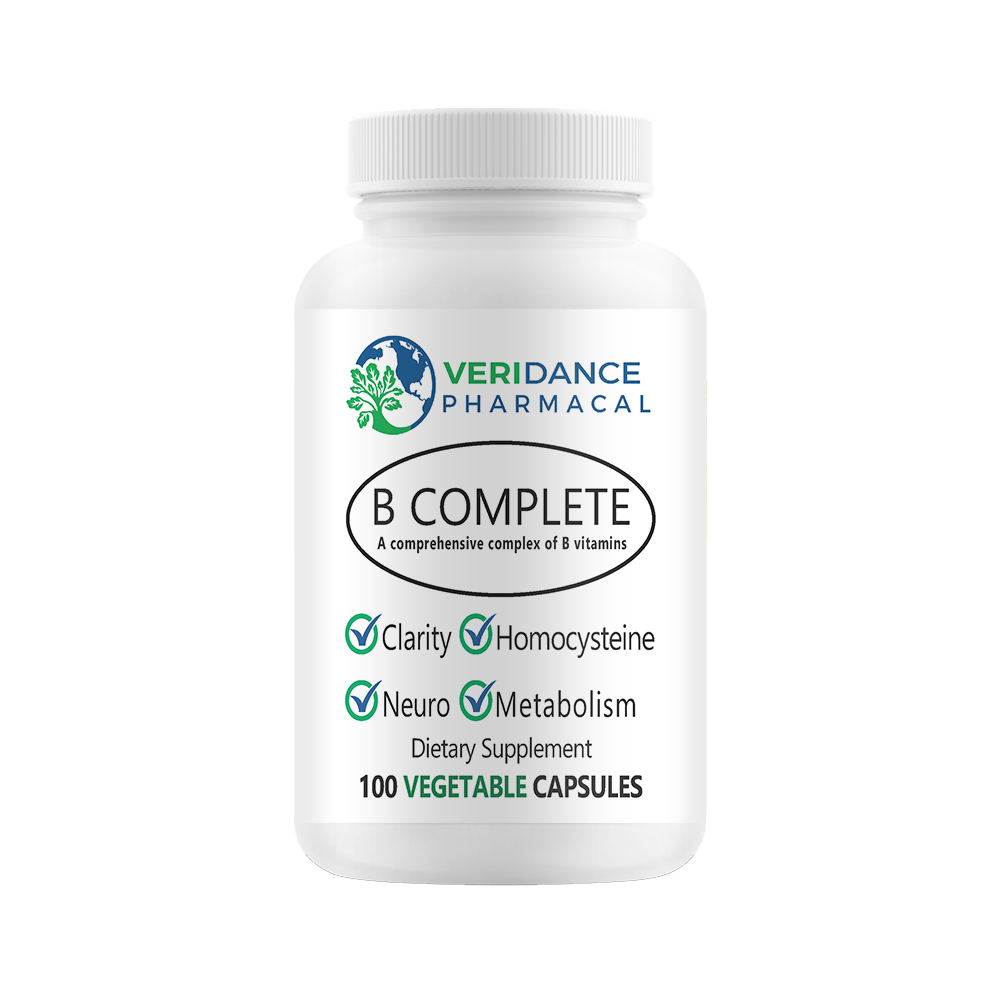
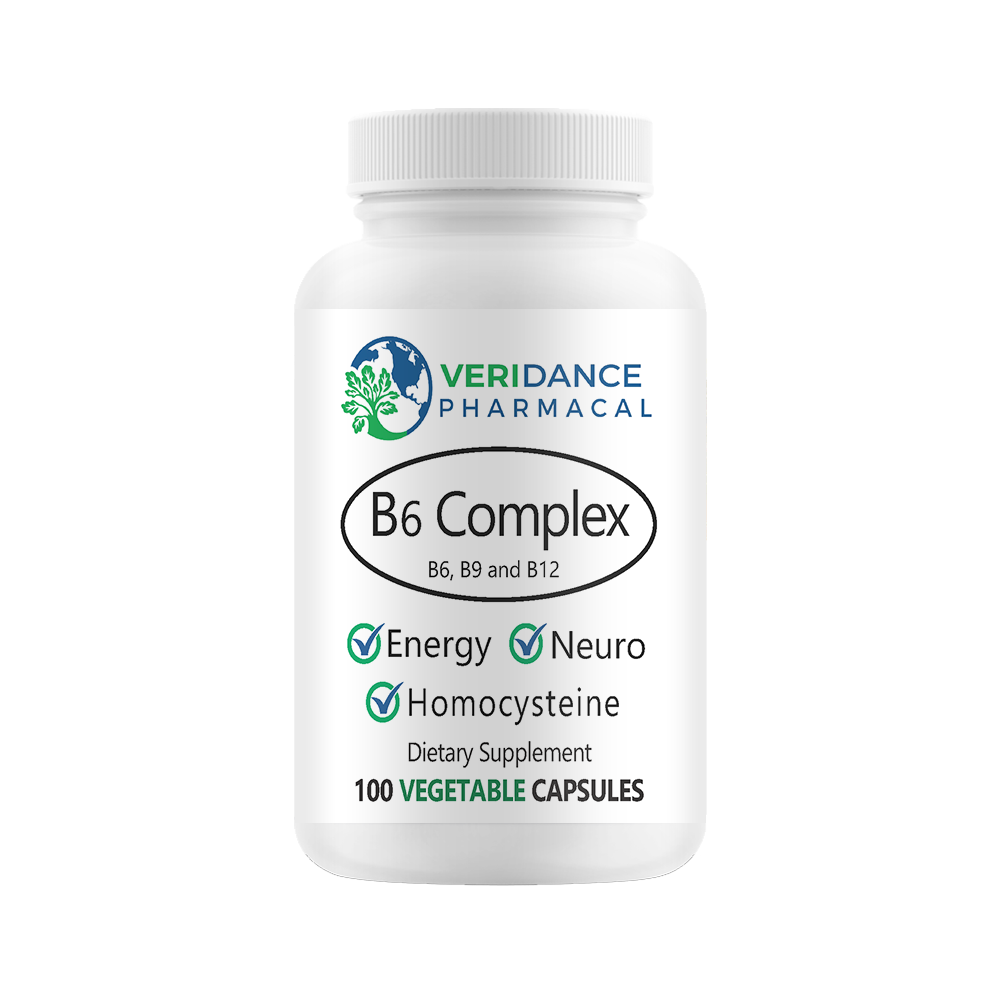
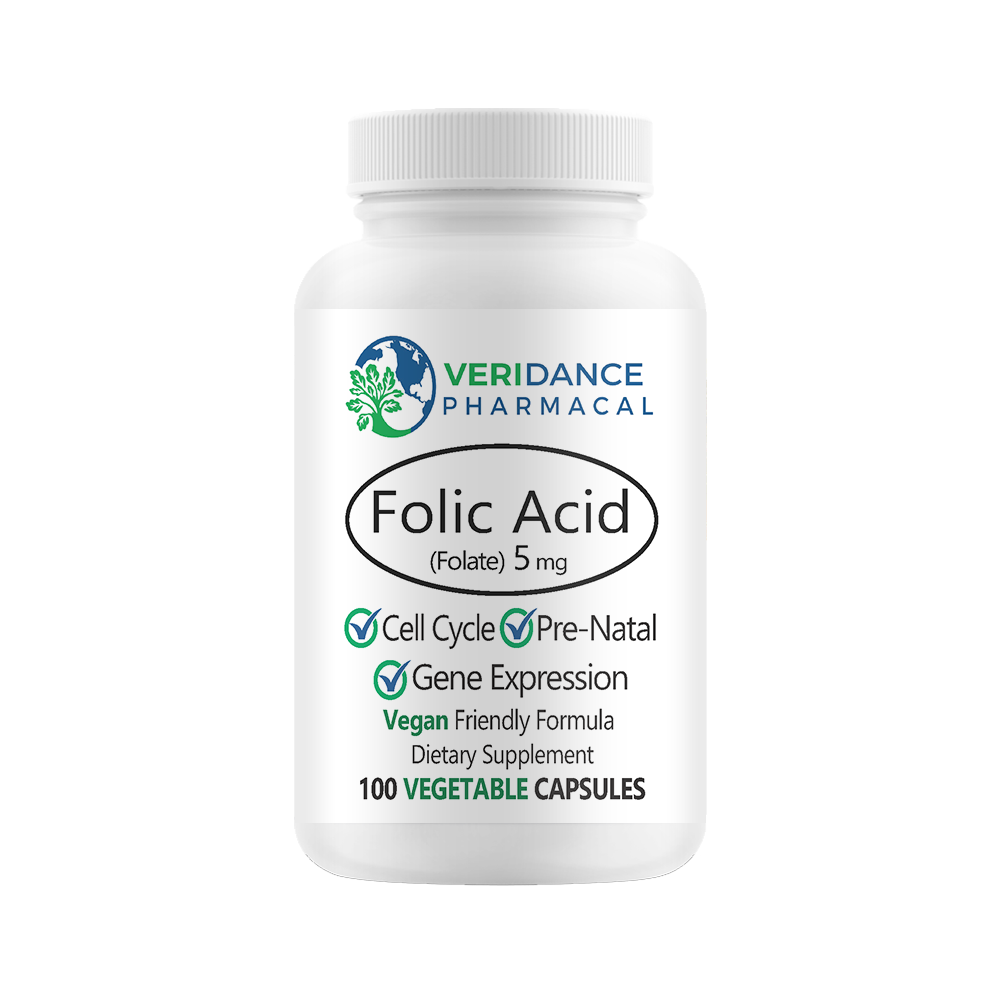


A Vitamin B supplement can look impressive on the label and still be a poor fit for your routine. When people search for high quality vitamin b supplements, they are usually trying to solve something practical - low energy, stress, poor focus, or the feeling that their diet is not quite covering everything.
The challenge is that not every B supplement is built in the same way. Some are designed for broad daily support, while others focus on higher potency or a more targeted blend. If you want a product that feels worth buying, the details matter more than the marketing.
What makes high quality vitamin b supplements different
Quality starts with clarity. A good Vitamin B supplement should tell you exactly which B vitamins are included, how much of each you are getting per serving, and what form they come in. If the label is vague or hides behind unclear wording, that is usually not a strong sign.
High quality also means the product has a sensible purpose. For some people, that means a full B complex to support energy release, the nervous system and everyday wellbeing. For others, it may mean choosing a more specific option such as folic acid or a higher-strength B12 product, depending on diet, age or personal needs.
The format matters too. Many people prefer vegetable capsules because they are simple, convenient and easy to take as part of a daily routine. Soft capsules can also suit certain formulas well. What matters most is consistency - a supplement only helps if you actually take it.
Why people take Vitamin B supplements
The B vitamins are involved in several basic functions that people often care about most in daily life. They contribute to normal energy-yielding metabolism, support the normal functioning of the nervous system, and play roles in psychological function, red blood cell formation and the reduction of tiredness and fatigue, depending on the specific vitamin.
That is why Vitamin B products tend to appeal to busy professionals, active adults, and anyone trying to stay on top of energy and stress support without making health choices feel complicated. They are also popular with people following plant-based or restricted diets, where some B vitamins may need closer attention.
Still, it is worth being realistic. A supplement is there to support your routine, not replace sleep, meals or stress management. If your lifestyle is stretching you thin, even a very good supplement works best as one part of the bigger picture.
How to read a Vitamin B label properly
A quality label should be straightforward. You should be able to see the amount of each B vitamin clearly and compare that with your needs.
Check the full B profile
A balanced B complex usually includes thiamin, riboflavin, niacin, vitamin B6, folate or folic acid, vitamin B12, biotin and pantothenic acid. If a product is called a complex but only includes a handful of them, it may not offer the broad support you expect.
Look at potency without assuming more is always better
Higher strength can be useful, especially for people who want a more focused supplement rather than a standard multivitamin. But more is not automatically better for everyone. Some people do well with a moderate daily complex, while others prefer a stronger one because they want a simpler one-capsule routine with clearly stated potency.
The key is choosing a level that matches your reason for taking it. If your aim is daily maintenance, an excessively loaded formula may be unnecessary. If you want more targeted support, higher potency may be exactly the point.
Check the forms used
This is one of the easiest ways to judge quality. Labels should state the form, not just the vitamin name. For example, vitamin B12 may appear as methylcobalamin or cyanocobalamin. Vitamin B6 may be shown as pyridoxine hydrochloride or another form. Folate may appear as folic acid or a methylated form.
There is no single answer that suits everybody. Some shoppers actively look for specific forms, while others simply want a reputable, high-strength product with a clear label and dependable daily dosage. What matters is transparency and suitability, not buzzwords.
Choosing between a B complex and a single B vitamin
This depends on what you are trying to achieve. A B complex is often the most practical choice if you want broad support in one product. It suits people who prefer a tidy routine and want help covering several B vitamins at once.
A single B vitamin can make more sense if you already know what you are looking for. Vitamin B12 is a common example, particularly for vegetarians, vegans and older adults. Folic acid is another, especially when someone has been advised to use it for a specific stage of life.
Neither option is automatically superior. It depends on whether you want general daily support or something more targeted.
Signs a supplement is worth your trust
High quality vitamin b supplements should be easy to assess
A trustworthy supplement should not make you work hard for basic information. It should clearly state serving size, potency, capsule count and intended use. That practical transparency is often a better sign than flashy promises.
It also helps when a brand keeps its range focused. A smaller, more considered selection often makes choosing easier because products are built around clear outcomes such as energy support, mood support or heart health, rather than vague all-purpose claims.
Another good sign is a clean presentation. That does not just mean packaging. It means a product feels designed for real daily use - sensible ingredients, clear strength, convenient capsule format and no unnecessary confusion around what it is for.
What to watch out for
Some Vitamin B supplements look appealing because they mention every possible benefit at once. If a product promises everything, it usually becomes harder to see what it is actually offering. Clear, benefit-led wording is more useful than exaggerated language.
It is also worth checking how many capsules make up a serving. A label may boast strong levels, but if you need several capsules a day, it may not suit your routine. For many people, convenience matters almost as much as the formula itself.
You should also think about tolerance. A supplement that is technically excellent but awkward to take, too strong for your preference, or difficult to fit into your day may end up sitting in the cupboard.
When quality matters most
If you are buying a supplement for regular, long-term use, quality matters even more. A product you take daily should feel dependable, clearly labelled and easy to reorder when needed. That is especially true for people who rely on supplements as part of a wider health routine rather than as an occasional extra.
This is where a practical shopping experience becomes part of the quality picture. Knowing a product is in stock, clearly described and quickly dispatched removes friction and helps turn good intentions into a consistent routine. For many UK shoppers, that reliability is part of what makes a supplement brand worth returning to.
A practical way to choose the right product
Start with your reason for buying. If you want broad everyday support, look for a well-labelled B complex with clear potency and a convenient daily serving. If you have a more specific goal, such as B12 or folic acid support, a single nutrient product may be the cleaner option.
Then check the basics. Read the full ingredient panel, look at capsule format, confirm dosage strength, and make sure the product fits your preferences. If the product explains itself clearly, that is already a strong sign.
For many people, the best choice is not the most complicated one. It is the supplement that combines quality, clarity and ease of use in a way that fits real life.
A good Vitamin B supplement should leave you feeling confident at the point of purchase, not uncertain. When the label is clear, the purpose is obvious and the formula suits your routine, choosing well becomes much simpler.