
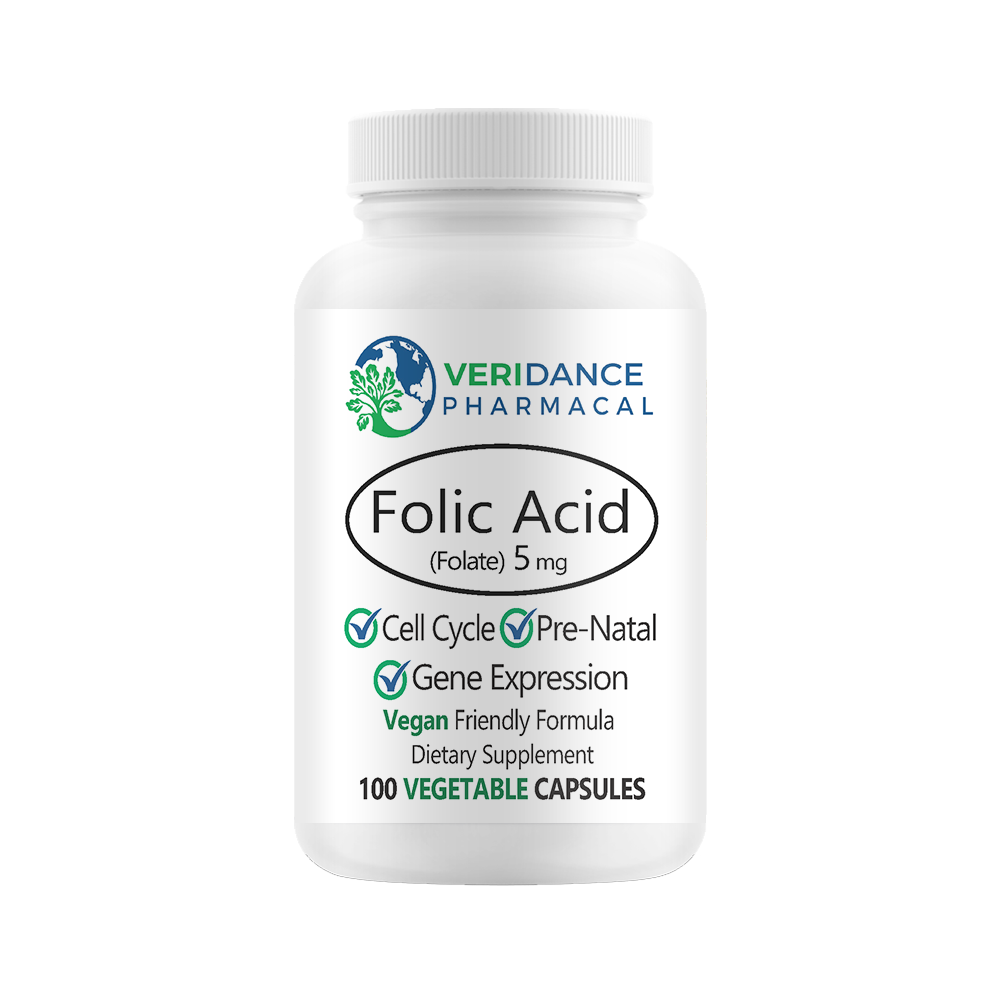


A folic acid supplement can look like a simple choice, especially when a higher dose promises more support in one tablet. But high strength folic acid tablets are not a case of more always being better. The right amount depends on your diet, life stage, current medicines and the reason you are considering supplementation.
Folic acid is widely used to help maintain healthy folate levels, particularly before and during early pregnancy. It also has a role in normal blood formation and normal immune system function. Choosing a suitable strength starts with understanding what folate does, and when a higher-dose product may or may not fit your needs.
What is folic acid?
Folate is a B vitamin found naturally in foods such as green leafy vegetables, beans, peas, citrus fruit and fortified cereals. The body uses it for normal cell division, blood formation and other essential processes.
Folic acid is the stable, supplemental form of folate. It is used in tablets and capsules because it is easy to measure accurately and is well suited to daily supplementation. Although food remains a valuable source of folate, busy routines, limited dietary variety and increased nutritional requirements can make a supplement a practical addition.
It is worth checking the label carefully. Supplement strengths are usually shown in micrograms, written as mcg or µg. One milligram, or 1 mg, is equal to 1,000 micrograms.
What counts as high strength folic acid tablets?
There is no single definition of “high strength” across all supplement brands. For many adults, 400 micrograms is the familiar daily amount associated with pre-conception and early pregnancy advice. Products providing 800 micrograms or 1,000 micrograms are often described as higher strength because they deliver more than this commonly recommended amount.
A higher-strength supplement may be useful where a healthcare professional has advised a greater intake, or where a person is trying to address a confirmed low folate intake. It should not be chosen simply because it appears to offer the strongest option on the shelf.
In the UK, adults should not generally take more than 1 mg of folic acid per day from supplements unless a doctor has advised it. This includes folic acid from all sources, so remember to check multivitamins, pregnancy supplements and fortified products rather than looking at one pack in isolation.
When might a higher dose be appropriate?
For most people, the best approach is to match the dose to the goal. A standard daily supplement may be enough for routine nutritional support, while a clinician may recommend a higher dose for a specific reason.
A GP, midwife, pharmacist or other qualified healthcare professional may advise a higher folic acid dose in situations including:
- planning a pregnancy after a previous pregnancy affected by a neural tube defect
- taking certain anti-epileptic medicines
- having diabetes or coeliac disease
- living with a condition that affects nutrient absorption
If you are trying for a baby, the general advice is to take 400 micrograms of folic acid every day before pregnancy and until the 12th week of pregnancy. Starting before conception matters because the earliest stages of development happen before many people realise they are pregnant.
Why dose and timing matter
Folic acid is water-soluble, which means it does not need to be taken with a fatty meal in the way that some nutrients do. You can take it with water at a time that suits your routine. Taking it with food can be helpful if supplements tend to make you feel queasy.
Consistency is more useful than trying to find a perfect time of day. Keeping your supplement beside your breakfast items, kettle or toothbrush can make a daily habit easier to maintain. If you miss a dose, take the next one as usual rather than doubling up.
High doses can be a concern because folic acid may mask signs of vitamin B12 deficiency. In simple terms, it can improve certain blood results while an underlying B12 issue continues. Untreated B12 deficiency can affect the nervous system, so ongoing tiredness, tingling, numbness, balance problems or an unusually sore tongue deserve medical advice rather than guesswork with supplements.
Check medicines and existing supplements
A quick label check can prevent accidental duplication. Many multivitamins, B-complex formulas and pregnancy products contain folic acid already. Adding a separate high-strength product without checking the total can take your daily intake higher than intended.
Speak to a pharmacist or GP before using a high-dose folic acid supplement if you take regular medicines, particularly medicines for epilepsy, rheumatoid arthritis, cancer or digestive conditions. Methotrexate is one example where folic acid may be used alongside treatment in some circumstances, but the dose and timing must be set by the prescribing clinician.
It is also sensible to seek advice if you have been told that you have anaemia, have had gastric surgery, follow a very restricted diet or are experiencing persistent fatigue. Low energy has many possible causes, including low iron, low B12, thyroid issues, poor sleep and stress. Folic acid is not a substitute for finding the cause.
Choosing a folic acid supplement with confidence
Once you know the strength you need, keep the choice straightforward. Look for a clearly stated dose per tablet or capsule, simple directions for use and a product from a retailer that gives clear information about ingredients and fulfilment.
Consider the format too. Tablets are compact and familiar, while vegetable capsules can suit people looking for a plant-based capsule shell. If you avoid particular ingredients, check the full label for allergens, fillers and suitability information rather than relying on the front-of-pack name alone.
For many customers, a single-nutrient folic acid product is easier to manage than a complex formula. It allows you to see exactly how much you are taking and makes it simpler to avoid overlapping doses with other supplements. On the other hand, a pregnancy-specific supplement may be more appropriate where several nutrients have been recommended together.
Can food provide enough folate?
A varied diet contributes meaningful amounts of natural folate. Spinach, kale, broccoli, lentils, chickpeas, black-eyed beans, asparagus, oranges and fortified breakfast cereals are all useful options. Cooking can reduce folate content in some foods, so including a mix of lightly cooked and fresh produce can help.
Food and supplements do not need to compete. Think of food as the foundation and a well-chosen supplement as targeted support where your needs or a healthcare recommendation call for it. During pre-conception and early pregnancy, the recommended folic acid supplement is advised even when your diet is already healthy.
The most helpful choice is one you understand and can take consistently. If a higher dose has been recommended for you, follow that advice and check your total intake. If you are choosing for general support, a clearly labelled product at an appropriate strength gives you a simple, practical way to look after your folate intake without adding unnecessary complexity.