


If you have ever stood looking at a supplement label and wondered whether folic acid and folate are basically the same thing, you are not alone. The question of folic acid vs folate comes up often because both relate to vitamin B9, yet the form you choose can affect how you shop, how you supplement and what fits best with your routine.
For most people, the simplest starting point is this: folate is the natural form of vitamin B9 found in foods, while folic acid is the synthetic form commonly used in supplements and fortified foods. They both aim to support the same broad functions in the body, but they are not identical in how they are sourced or processed.
That difference matters most when you are trying to choose a product with confidence rather than guesswork.
Folic acid vs folate: the basic difference
Vitamin B9 plays an important role in normal cell division, blood formation and the reduction of tiredness and fatigue when used as part of a broader B vitamin approach. It is also especially well known for its role before and during early pregnancy.
Folate occurs naturally in foods such as leafy greens, beans, lentils, asparagus, broccoli and citrus fruits. Folic acid, by contrast, is made for use in supplements and food fortification. In practical terms, that means if you are eating spinach or chickpeas, you are getting folate. If you are taking a standard vitamin B9 tablet or capsule, you are often getting folic acid.
Although the body uses both forms as part of the same nutrient pathway, they reach that point differently. Natural folate from food comes bundled with other nutrients and is part of a normal varied diet. Folic acid is valued because it is stable, consistent and easy to dose in a supplement format.
Why people often choose folic acid supplements
For many adults, convenience matters. Even with a good diet, daily intake can vary depending on appetite, food preferences, busy schedules and how much fresh produce you realistically eat each week. That is one reason folic acid remains such a common supplement choice.
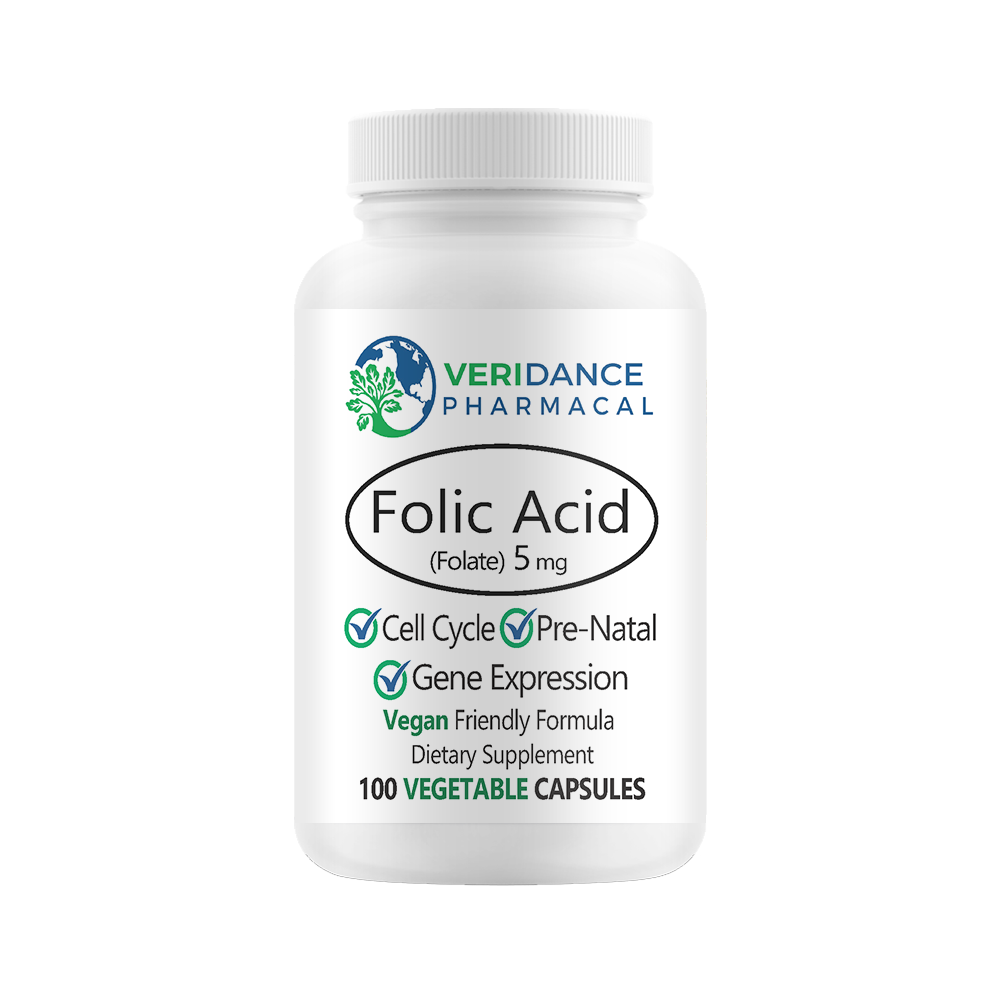
It offers a clear, measurable dose and is widely used because it is reliable in capsule and tablet form. If your goal is straightforward daily support, especially as part of a B complex or a focused vitamin B9 product, folic acid is often the most accessible option.
It is also the form most people recognise from pregnancy advice. Women who are trying to conceive or are in early pregnancy are often specifically advised to take folic acid. That established use has made the term far more familiar than folate, even though both relate to vitamin B9.
Where folate has an advantage
Folate has one obvious advantage: it is the form naturally present in food. Many people prefer a food-first approach wherever possible, and that is a sensible starting point for general wellbeing. A diet rich in greens, pulses and whole foods can contribute folate alongside fibre, minerals and other vitamins.
Some shoppers also feel more comfortable with nutrients in forms that are closer to those found in nature. That preference does not automatically make folate better in every case, but it is part of why the folic acid vs folate discussion continues.
There is also growing awareness of methylated folate forms in specialist supplements. These products are sometimes chosen by people who want an alternative to standard folic acid. They tend to sit at a more specialist end of the supplement market and may appeal to consumers looking for a particular formulation rather than a basic daily vitamin.
Is one better absorbed than the other?
This is where the answer becomes less tidy. You will often hear that folic acid is better absorbed than food folate, and in some contexts that is true. Folic acid is highly stable and has been used widely in supplements for exactly that reason.
At the same time, food folate is part of a broader dietary pattern, and for many healthy adults, improving dietary intake can still be a very practical move. Better absorbed on paper does not always mean better for every person in every situation. If someone rarely eats folate-rich foods, a supplement may help fill the gap. If someone already has a strong diet, they may focus first on maintaining that.
There is also an individual factor. Not everyone responds in exactly the same way to the same supplement routine. Age, diet quality, digestive health, life stage and overall nutrient intake can all shape what works best.
Food sources of folate worth knowing
If you want more folate naturally, the good news is that the food list is fairly familiar. Spinach, kale, spring greens, lentils, black-eyed beans, peas, avocado, broccoli and oranges are all useful examples.
The challenge is consistency. Folate is found in foods many people already like, but not everyone eats them daily or in meaningful amounts. Cooking and storage can also affect nutrient levels, so the amount on paper is not always what ends up on your plate.
That is why diet and supplementation are often viewed as partners rather than rivals. Food should do the heavy lifting where possible, and supplements can provide support when intake is patchy or needs are higher.
Who may want to pay closer attention to vitamin B9?
Women who are trying for a baby or are in the early stages of pregnancy are the clearest group. Vitamin B9 is central enough here that supplementation is often part of routine advice.
Beyond that, adults with restricted diets, low vegetable intake or inconsistent eating habits may also want to review their intake. Busy professionals, shift workers and anyone relying heavily on convenience food may not get enough folate-rich foods regularly.
Older adults can also benefit from looking at their wider B vitamin intake. The question is not always about deficiency in a dramatic sense. More often, it is about whether your daily routine is actually supporting your long-term health goals.
How to choose between folic acid and folate
If you are choosing a supplement, start with the reason you want it. If you want a straightforward, trusted and cost-effective vitamin B9 supplement, folic acid is often the practical choice. It is widely available, clearly labelled and easy to take as part of a daily routine.
If you prefer a more food-led or specialist approach, you may look at folate-rich eating patterns or specific folate formulations. That may suit you if you are already familiar with supplements and know you want a particular form.
It is worth reading the label carefully. Look at the dose, the form of vitamin B9 used and whether it is a single nutrient product or part of a B complex. Some people do well with a focused folic acid capsule. Others prefer a broader formula that supports energy and stress management alongside B9 intake.
The best choice is not always the most expensive or the most technical sounding. It is the one you will take consistently and that fits your health needs.
Folic acid vs folate in everyday supplement shopping
From a retail point of view, clarity matters. Most customers are not looking for a biochemistry lesson. They want to know what they are buying, what it is for and whether it suits their routine.
That is why plain labelling and sensible formulation matter so much. A well-made folic acid supplement gives you a clear dose and an easy daily habit. A folate-focused product may appeal if you want a more specialised option. Neither is automatically right for everyone.
For UK shoppers, a dependable supplement choice often comes down to quality, dosage and simplicity. GreenVits reflects that practical approach by focusing on straightforward, high-strength supplements designed for everyday health support rather than unnecessary complexity.
A sensible way to think about it
Instead of treating folic acid and folate as opponents, it helps to see them as two ways of supporting vitamin B9 intake. Folate belongs naturally in a balanced diet. Folic acid has a clear place in supplementation because it is stable, widely used and easy to dose.
If your diet is strong and varied, you may already be doing plenty. If your intake is inconsistent or you want extra reassurance, a supplement may be a useful addition. If you are pregnant, trying to conceive or managing a specific health concern, personalised advice is the right next step.
The most helpful approach is usually the least dramatic one: eat well where you can, supplement where it makes sense, and choose products that make daily health support feel simple rather than complicated.