


That mid-afternoon slump, the second coffee that barely touches the sides, the feeling of being both tired and wired - for many adults, that is exactly where energy and stress support becomes relevant. When your routine is full, sleep is inconsistent, and meals are not always ideal, the basics can start to slip. That is often when small, practical changes make the biggest difference.
Most people do not need a complicated wellness plan. They need a clear sense of what supports normal energy release, what helps the nervous system, and what is realistically worth taking every day. Supplements can play a useful part here, but they work best when they are matched to your habits, your diet, and the kind of support you actually need.
What energy and stress support really means
In supplement terms, energy and stress support is not about stimulants or quick fixes. It is usually about helping the body do familiar jobs properly - converting food into usable energy, supporting normal psychological function, and maintaining a healthy nervous system.
That distinction matters. If you feel flat, mentally drained or under pressure, it is tempting to look for something that promises an instant lift. In practice, the more reliable route is often steady nutritional support. Certain vitamins and minerals are involved in energy-yielding metabolism and the reduction of tiredness and fatigue. Others are better known for their role in muscles, mood, or the nervous system. When your intake is low, topping up can feel less like a boost and more like getting back to baseline.
This is why product choice matters. A focused supplement with a clear purpose is often more useful than a broad formula packed with ingredients you may not need.
Why tiredness and stress often show up together
Low energy and stress are closely linked, and not just because life gets busy. Poor sleep can increase stress levels and leave you fatigued the next day. Ongoing pressure can affect appetite, food choices and routine, which in turn can influence nutrient intake. Even healthy people can end up in a cycle where mental strain and physical tiredness feed into each other.
That does not mean every case has the same cause. Sometimes the issue is an overfilled diary and too little rest. Sometimes it is dietary. Sometimes it is seasonal, especially when darker months affect mood, routine and time spent outdoors. And sometimes it is a mix of all three.
This is where a practical approach helps. Rather than asking for one ingredient to solve everything, it makes more sense to look at your overall pattern. Are you eating regularly? Sleeping enough? Spending long periods indoors? Training hard? Feeling mentally stretched for weeks at a time? Your answers shape what kind of support is likely to be useful.
The nutrients most often linked to energy and stress support
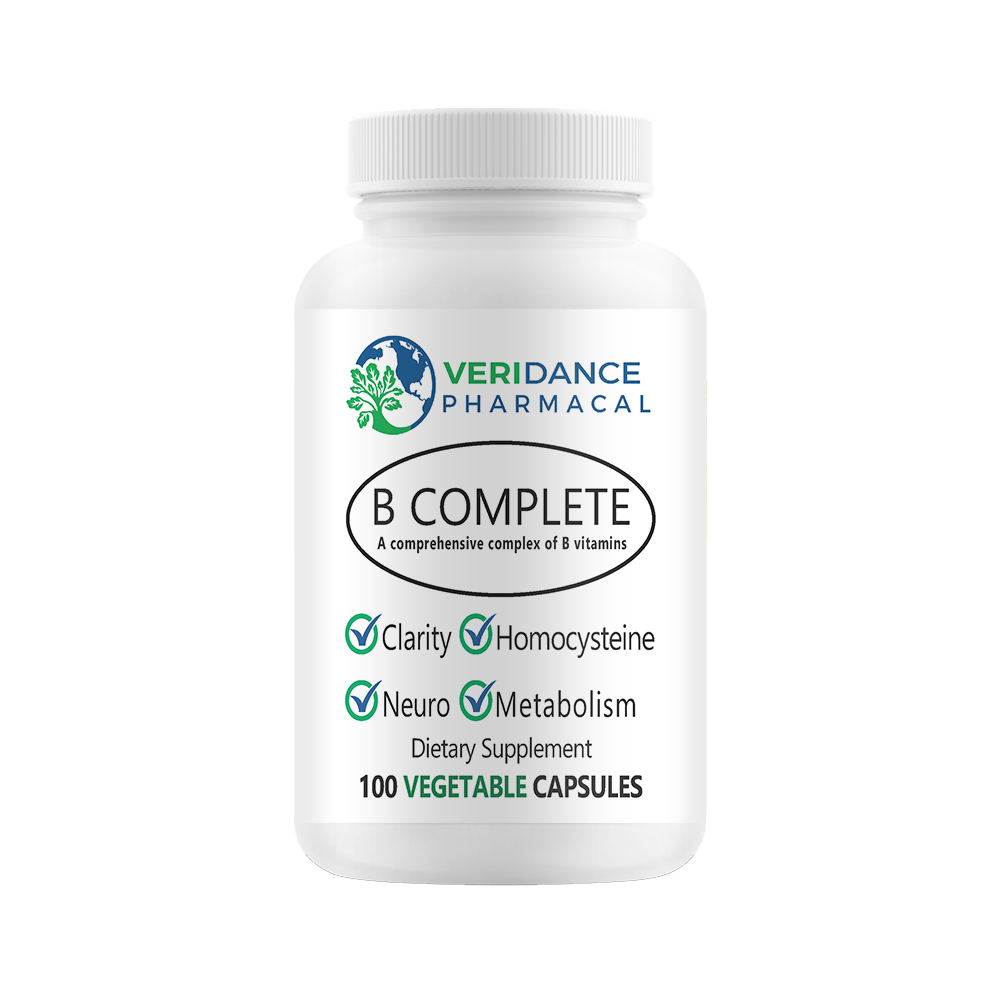
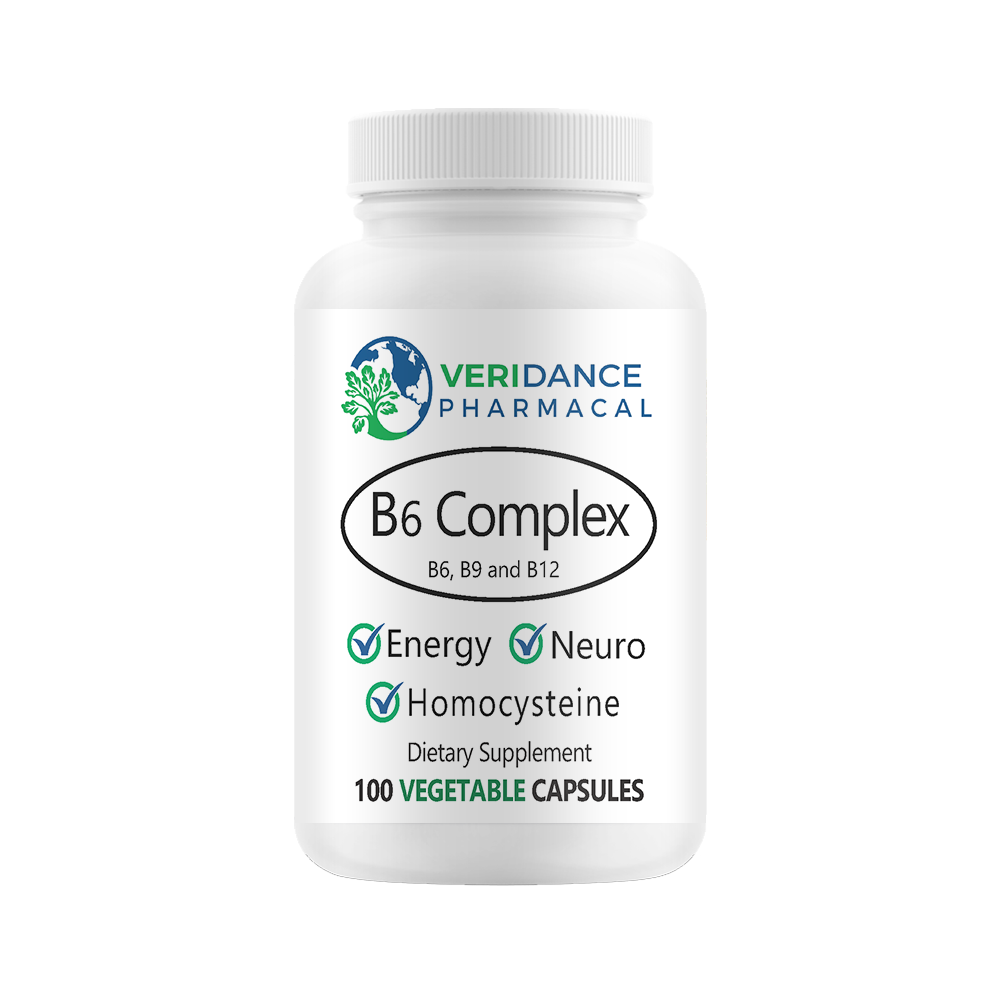
B vitamins are usually the first place people look, and for good reason. Several B vitamins contribute to normal energy-yielding metabolism, and some also support normal psychological function and help reduce tiredness and fatigue. A Vitamin B complex can make sense when you want broad everyday coverage rather than a single B vitamin in isolation.
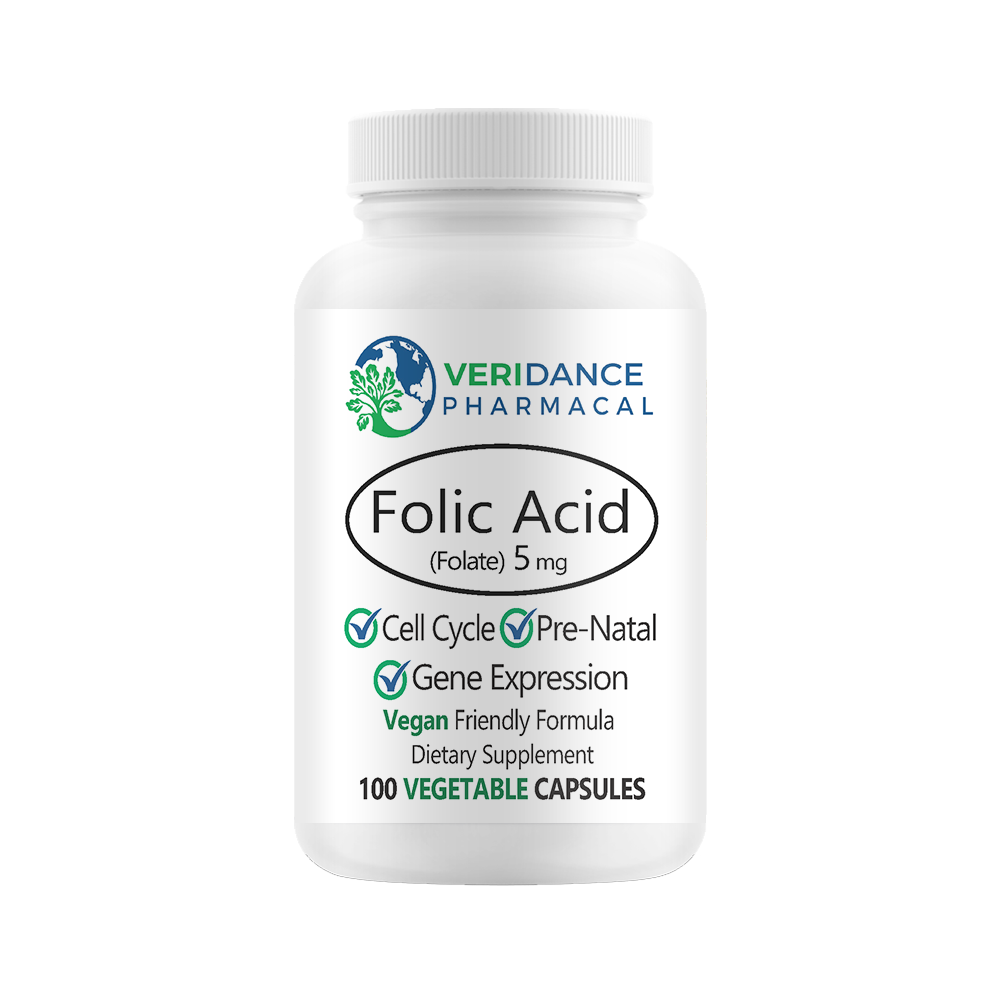
That said, there are trade-offs. A full B complex is convenient, but some people prefer a more targeted option if they already know what suits them. Folic acid, for example, has a specific role and may be chosen on its own depending on individual needs. The right option depends on whether you want general support or something more focused.
Magnesium is another key nutrient in this space. It contributes to normal muscle function, normal psychological function and the reduction of tiredness and fatigue. It is especially popular with people who feel tense, physically drained, or stretched by busy work and home routines. For some, magnesium fits best in the evening as part of a wind-down routine. For others, it is simply a daily staple.
Vitamin D is slightly different, but still relevant. It is best known for immune function, bones and muscles, yet many adults in the UK pay closer attention to it because sunlight exposure can be limited for large parts of the year. If your routine keeps you indoors, or if winter tends to affect your overall sense of wellbeing, Vitamin D3 may already be on your list.
Omega-3 also enters the conversation, particularly for those thinking more broadly about everyday wellness, mood and heart health. It is not usually the first product people reach for when they feel tired, but it can be part of a more rounded long-term approach.
How to choose the right support for your routine
A simple way to choose is to start with the problem you are trying to solve. If the main issue is tiredness, a Vitamin B complex or magnesium may be the most relevant place to begin. If you are looking for a general daily foundation, Vitamin D3 might be part of that wider routine. If your goal is more about maintaining overall wellbeing rather than chasing one specific benefit, combining a few well-chosen basics often works better than constantly switching products.
Capsule format matters too, although people often overlook it. If you are taking supplements daily, convenience counts. Vegetable capsules and soft capsules are easy to build into a morning or evening routine, and that consistency is what usually determines whether a product is genuinely helpful.
Potency is worth checking as well. Higher strength is not automatically better for everyone, but many shoppers prefer a clearly dosed, high-potency product because it removes guesswork. A straightforward label, a clean formula and a clear intended benefit can make daily supplementation easier to stick with.
What supplements can and cannot do
Good energy and stress support should feel realistic. Supplements can help fill nutritional gaps and support normal body functions, but they cannot replace sleep, regular meals or a manageable routine. If you are running on very little rest and relying on convenience food, even the best supplement will have limits.
That is not a reason to dismiss them. It is simply about expectations. The most useful results usually come when supplements are part of a wider pattern that includes decent hydration, enough protein, regular eating and some recovery time. When those basics improve, nutritional support tends to make more sense and feel more consistent.
It is also worth remembering that change is not always dramatic. For many people, the goal is not to feel intensely energised. It is to feel steadier, less depleted, and more able to get through the week without the same dips and crashes.
Building a simple daily plan for energy and stress support
If you want a routine that is easy to maintain, keep it focused. Start with one or two products that match your needs rather than buying several at once. A B complex in the morning and magnesium later in the day is a common approach because it reflects how many people structure their routine. If Vitamin D3 is already part of your daily plan, that may sit alongside them without making things feel complicated.
Consistency matters more than novelty. Taking a supplement for a few days and then forgetting it for two weeks rarely tells you much. A steady routine gives you a clearer sense of whether a product suits you and whether it fits naturally into your day.
Quality matters here too. People shopping for supplements online generally want the same things - a clean formula, sensible potency, a capsule format they are happy to take, and clear fulfilment they can rely on. GreenVits keeps that process straightforward by focusing on targeted wellness products rather than an overwhelming range.
When a more targeted approach is better
There are times when broad support is useful, and times when it is better to be more specific. If you already take a multivitamin or have a fairly balanced diet, you may not need a wide-ranging formula. In that case, choosing magnesium on its own, or selecting Vitamin D3 during lower-light months, may be a neater fit.
Equally, if your tiredness is persistent or feels out of character, it is sensible not to assume it is just a supplement issue. Ongoing fatigue can have many causes. Supplements can support health, but they are not a substitute for proper medical advice when something does not feel right.
That balance is important. Practical supplementation works best when it is grounded in everyday reality rather than exaggerated claims.
A steady routine usually wins
The best energy and stress support is rarely the most dramatic option on the shelf. It is usually the one that fits your life well enough to use consistently, supports real nutritional needs, and helps you feel more steady over time. If your current routine feels harder than it should, starting with the basics is often the most useful step you can take.