
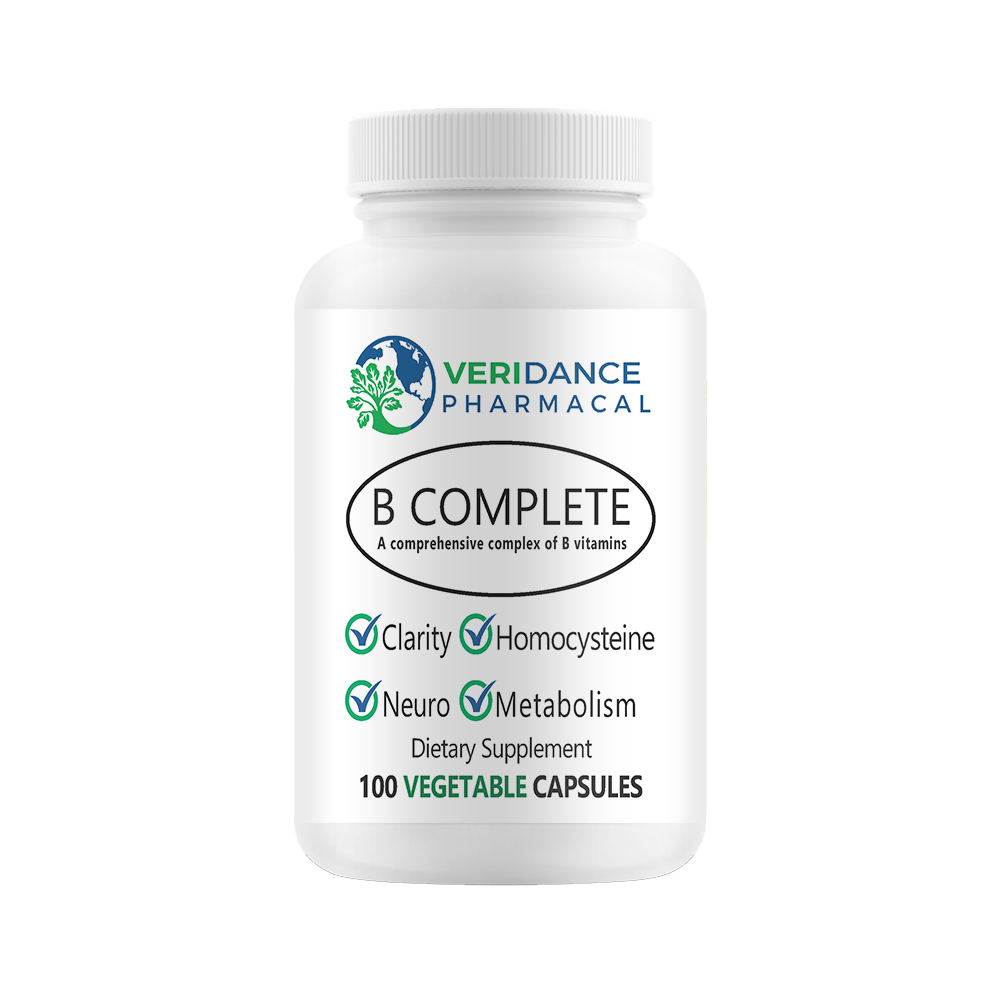
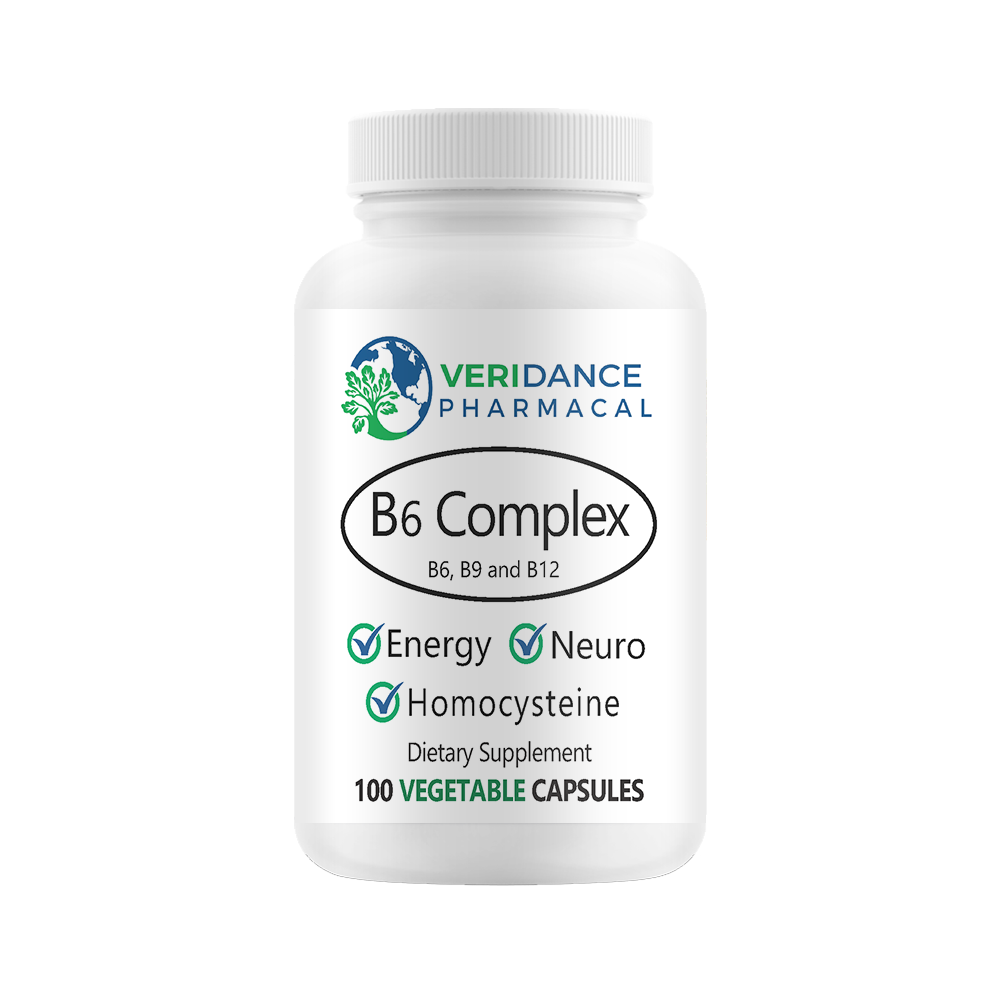
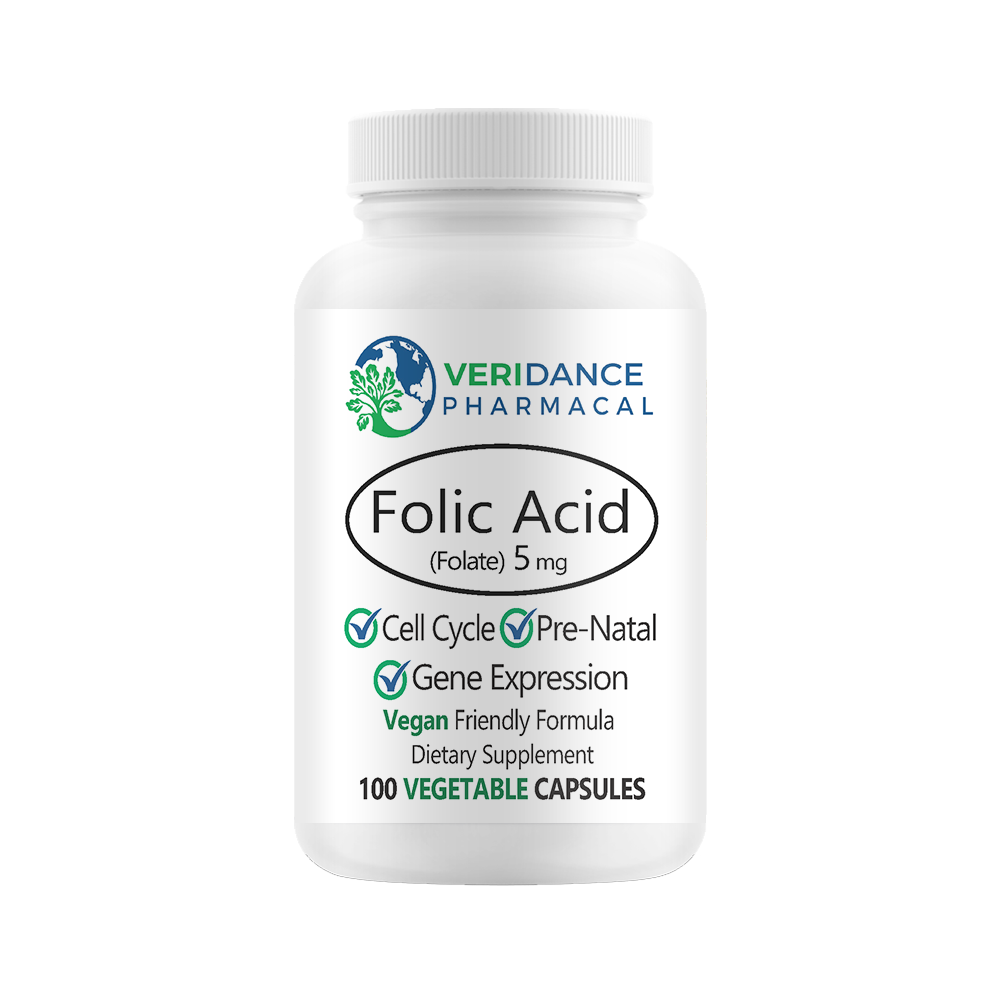


You can spot the problem almost instantly when you compare two supplement labels. Both say magnesium. Both look clean and professional. One is cheap, one is not. Yet the real difference is often hidden in the small print - the form, the strength, the added fillers, and whether the product is actually suited to what you want it to do. That is usually where confusion starts. If you are wondering how to choose quality supplements, the good news is that you do not need a science degree to make a better decision.
The best supplement is not always the strongest, the cheapest, or the one with the longest list of claims on the front of the pack. Quality comes from a combination of sensible formulation, clear labelling, appropriate dosage, and trust in the company behind it. Once you know what to check, it becomes much easier to shop with confidence.
Start with your health goal
Before comparing brands, decide what you are actually trying to support. That sounds obvious, but many people buy supplements by ingredient name rather than by outcome. If your goal is energy support, you may be looking at a vitamin B complex or folic acid. If it is bone and immune support, vitamin D3 may make more sense. For stress support or muscle function, magnesium is often the first place people look. For heart or mood support, Omega-3 may be more relevant.
This matters because a quality supplement should be targeted. A product can be well made and still be the wrong fit for your needs. Broad, catch-all formulas are not always the most practical option if you already know what you want to focus on.
How to choose quality supplements by reading the label
The label tells you far more than the marketing on the front. Start with the active ingredient and the amount per serving. You want the dose to be easy to understand, not buried in confusing serving sizes or vague blends.
A good label should make it clear what form of the nutrient you are getting. Magnesium is a good example. Magnesium citrate, magnesium glycinate and magnesium oxide are not identical products just because they all contain magnesium. They can differ in how they are used, how well they are tolerated, and how much elemental magnesium they provide. The same principle applies to vitamin D3 versus vitamin D2, or methylated forms of certain B vitamins versus standard forms.
You should also check whether the product uses unnecessary bulking agents, artificial colours or a long list of extras that do not add much value. Simpler is often better, especially if you take supplements every day.
Potency matters, but only when it suits the person
Higher strength can be useful, but it is not a quality marker on its own. A high-potency formula may be exactly right for one person and excessive for another. The better question is whether the dosage is appropriate for your routine, diet and reason for taking it.
If you already eat oily fish regularly, for example, your Omega-3 needs may be different from someone who rarely does. If you spend little time outdoors in winter, vitamin D support may be more relevant. If you are already taking several products, you should also look at the total amount you are getting across all of them.
Quality means balance. It should feel considered rather than inflated for the sake of a stronger headline.
Look at the format as well as the formula
Capsule format is easy to overlook, but it affects convenience and consistency. If a supplement is hard to swallow, has an unpleasant aftertaste, or requires several large tablets a day, many people simply stop taking it.
Vegetable capsules and soft capsules are popular because they are straightforward and easy to build into a daily routine. The best format depends on the ingredient. Oil-based nutrients such as Omega-3 or vitamin D3 are often well suited to soft capsules, while other nutrients may work well in vegetable capsules.
This is where quality meets practicality. A supplement only helps if you take it regularly.
Choose brands that are clear, not clever
One of the easiest ways to judge supplement quality is to look at how a brand communicates. Reliable brands are usually direct about what is in the product, what the strength is, how many capsules you get, and what the supplement is designed to support.
Be cautious with products that lean heavily on dramatic claims, mystery blends or vague wellness language without backing it up on the label. Clear product naming is often a good sign. If a supplement says Vitamin D3 with K2 for bone support, or Magnesium for muscle function and relaxation support, that is far more useful than a flashy promise with very little substance behind it.
Trust also comes from consistency. A focused range can actually be reassuring because it suggests the brand is paying attention to formulation rather than trying to sell everything to everyone.
How to choose quality supplements without paying for hype
Price matters, but it needs context. Very cheap supplements can sometimes cut corners on ingredient form, dose, capsule quality or purity. At the same time, expensive packaging and premium branding do not automatically mean a better product.
A smarter way to compare value is to look at cost per daily serving alongside the ingredient quality and dosage. A supplement that appears cheaper may require multiple capsules a day to reach a useful intake. Another may cost more upfront but offer a stronger, more convenient single-dose formula.
Think about what you are really paying for. Ideally, it should be the nutrient itself, a suitable strength, and a format you are happy to take consistently - not just marketing.
Check for quality signals that actually help
There are a few practical signs that can make supplement shopping easier. Clear dosage instructions matter. So does transparent ingredient listing. Non-GMO sourcing, purity claims and straightforward manufacturing information can all be useful when they are presented clearly and not treated as decoration.
Stock reliability and fulfilment may not change the formula inside the capsule, but they do affect the overall buying experience. If you take supplements daily, dependable availability matters. Running out for a week because a product is repeatedly unavailable is not ideal when you are trying to stay consistent.
For many UK shoppers, it is also reassuring to buy from a business that keeps things simple - products in stock, clear delivery information, and no unnecessary friction at checkout. That practical side of quality is often undervalued.
Be wary of labels that try to do too much
Some formulas contain so many ingredients that it becomes hard to tell what they are really meant to achieve. There is a place for combination products, especially where nutrients work well together, such as vitamin D3 with K2. But a supplement with a very long ingredient list is not automatically better.
In fact, targeted products are often easier to understand and easier to use well. If you know you need magnesium, a clearly labelled magnesium formula may serve you better than a broad blend where magnesium is only one small part of the total.
The simpler the purpose, the easier it is to judge the quality.
Know when personal factors matter most
There is always an element of it depends. Your age, diet, lifestyle and existing routine can all affect what counts as a good choice. Someone looking for daily support may prefer a straightforward maintenance formula. Someone with a more specific nutritional goal may look for a higher-strength option.
It is also worth paying attention to how you feel with different forms or dosages. Some people prefer one magnesium form over another, for example, because it suits them better. Quality is not just what looks best on paper. It is also what works well for you and fits your routine.
If you are pregnant, breastfeeding, taking medication, or managing a health condition, it is sensible to check with a healthcare professional before starting a new supplement.
A simple way to make better choices
If you want a practical filter, ask five questions before buying. What is this supplement for? What form of the nutrient does it contain? Is the dosage clear and appropriate? Is the ingredient list clean and easy to understand? Do I trust the brand to be consistent and transparent?
That approach cuts through most of the noise. It also helps you avoid buying based on packaging alone.
GreenVits is built around that same idea - focused, high-quality supplements that are easy to understand and easy to fit into everyday life. Whether you are choosing vitamin D3, magnesium, a B complex or Omega-3, the aim is not to make the decision feel more complicated. It is to make it clearer.
The most useful supplement advice is often the simplest: choose products with a clear purpose, honest labelling and a formula you will actually take every day.