
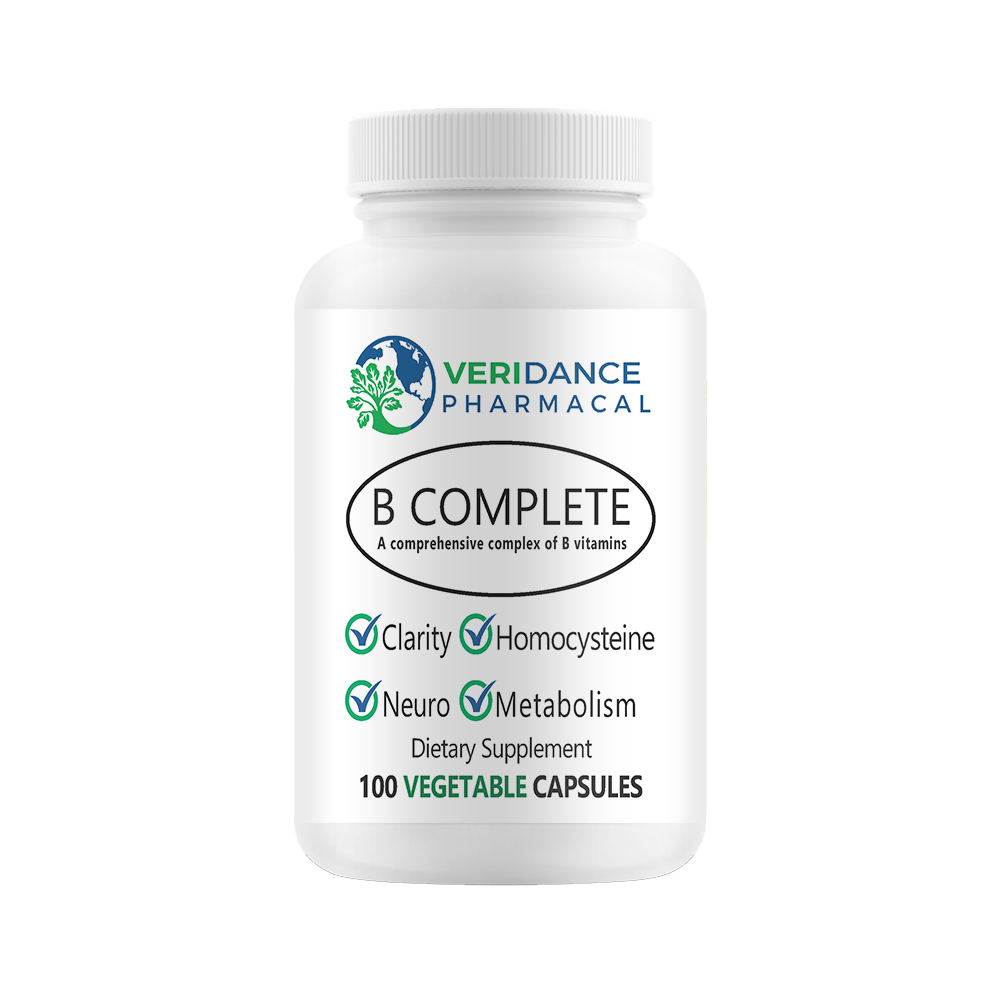
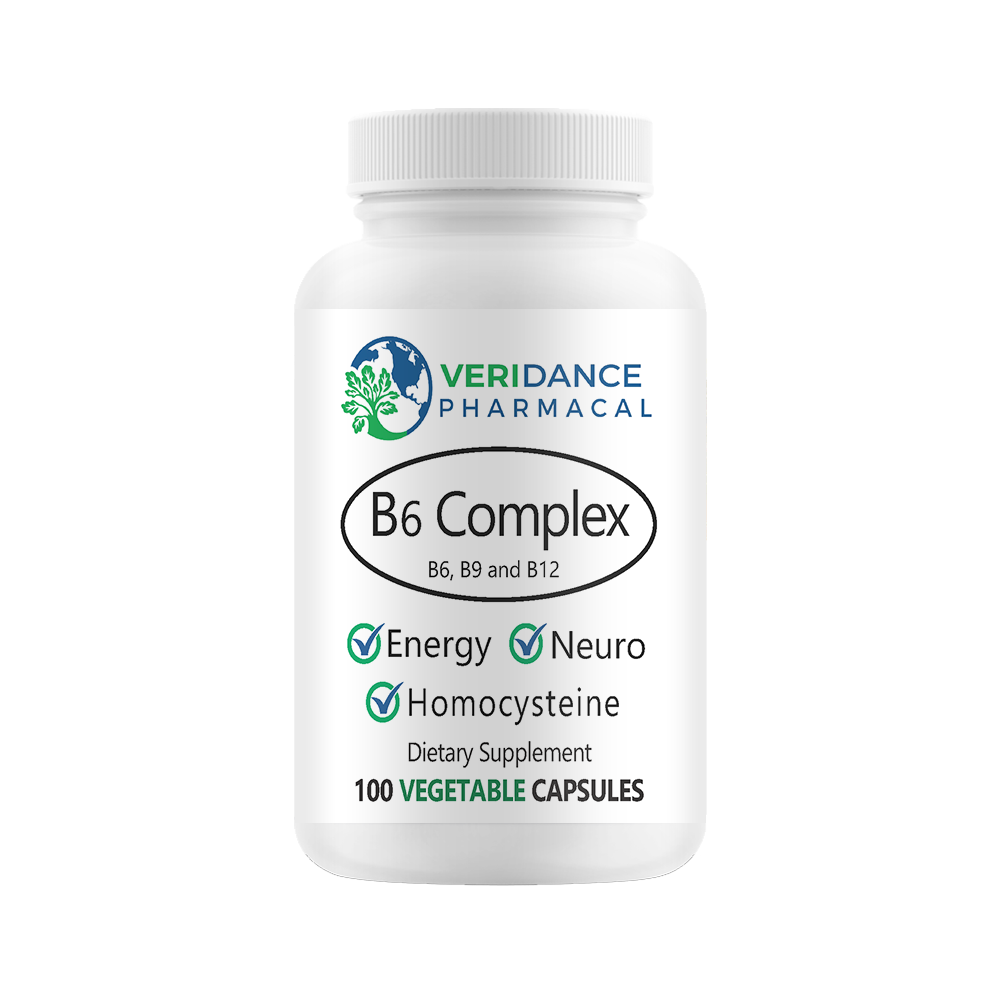
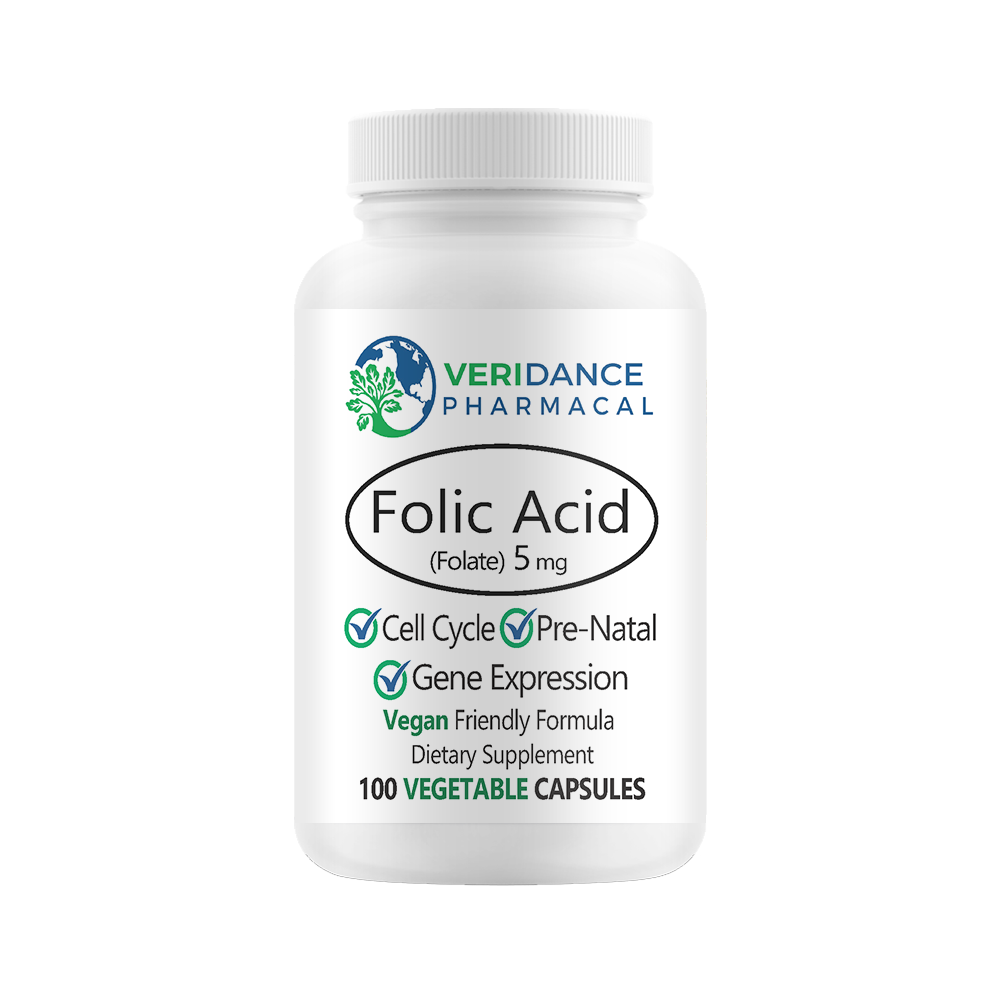


Choosing a supplement should feel simple. Yet when you start comparing formats, ingredients and labels, even a straightforward search for vegetable capsule supplements UK shoppers can rely on quickly turns into a lot of small decisions. Capsule shell, potency, fillers, daily dose, source, and whether it suits your routine all matter more than most people expect.
For many people, vegetable capsules are the preferred option because they are easy to take, fit neatly into a plant-based lifestyle, and offer a clean, practical format for daily use. But not every supplement in a vegetable capsule is automatically the better choice. What matters is the full product - the active ingredient, the strength, the quality of the formula, and whether it supports the health goal you actually want help with.
Why vegetable capsule supplements UK customers choose them
The appeal is straightforward. Vegetable capsules are typically made from plant-derived materials such as HPMC rather than gelatine, which makes them suitable for people who avoid animal-based capsule shells. For many customers, that is reason enough. For others, the decision is more about convenience and clarity.
A vegetable capsule can be a smart choice when you want a clean, no-fuss format with clearly measured dosing. Compared with powders, there is no mixing. Compared with liquids, there is no measuring spoon or strong taste to deal with. Compared with tablets, some people simply find capsules easier to swallow.
There is also a trust factor. Health-conscious shoppers often look for products that feel simpler and more transparent, and vegetable capsules fit that preference well. They tend to suit people who want focused daily support for energy, mood, stress, bones, heart health or general wellbeing without unnecessary extras.
What vegetable capsules are actually made from
Most vegetable capsules are made from hydroxypropyl methylcellulose, often shortened to HPMC. This is a plant-based capsule material designed to hold powders or granules safely and consistently. It is widely used across the supplement market and is a familiar choice for consumers who want to avoid gelatine.
That said, the capsule shell is only one part of the product. A high-quality shell does not make up for a weak formula. If you are choosing between two supplements, focus first on the active nutrient, its form, and the strength per capsule. The shell matters, but the benefit you are buying is inside it.
How to choose the right supplement for your goal
The best supplement is rarely the one with the longest ingredient list. It is usually the one that matches your reason for taking it in the first place.
If your focus is energy and stress support, a Vitamin B Complex or magnesium product may make more sense than a broad multivitamin that spreads low amounts across too many ingredients. If you are looking at bone-related support, Vitamin D3 with K2 is often a more relevant choice. For mood and heart health, Omega-3 products remain a popular option, although these are more commonly found in soft capsules than vegetable capsules.
This is where many shoppers overbuy. They choose several overlapping products without checking whether the benefits are distinct. A simpler routine is often easier to keep up with, and consistency matters far more than owning a cupboard full of half-used tubs.
Match the format to the nutrient
Not every nutrient works best in the same format. Vegetable capsules are especially useful for vitamins, minerals and powdered actives such as magnesium blends, B vitamins and folic acid. They offer precise dosing and are easy to build into a daily routine.
Some oils, however, are naturally better suited to soft capsules. If you are shopping for Omega-3, for example, the form of the product may depend on the ingredient itself rather than your preference for a vegetable shell. That is not a compromise in quality - it is often just the most practical way to deliver the nutrient.
What to check on the label
A good supplement label should help you decide quickly, not leave you decoding it for ten minutes.
Start with the active ingredient and the dose per capsule. Make sure the strength is clear and suited to regular daily use. Then check how many capsules you need to take each day. A supplement that looks strong at first glance may require two or three capsules to reach the stated amount, which changes the value and the convenience.
Next, look at the form of the nutrient. Magnesium, for instance, comes in several forms, and some may suit your needs or digestion better than others. Vitamin D is often paired with K2 for a more targeted bone-related formula. B vitamins can be sold as single nutrients or in a complex, and that choice depends on whether you want broad support or a specific focus.
It is also worth checking the inactive ingredients. A clean formula with no unnecessary fillers appeals to many people, especially if you are taking supplements every day. Fewer extras can make the product feel more straightforward and easier to trust.
Quality matters more than trends
The supplement market is full of fashionable claims, but daily health support usually comes down to reliability. You want the right product, at the right strength, from a brand that presents the information clearly and delivers it promptly.
That may sound less exciting than chasing the newest ingredient, but it is usually the better approach. For most adults, choosing a high-potency supplement with a clear purpose is more useful than buying into vague wellness language. A dependable magnesium supplement for muscle function or a well-formulated Vitamin D3 with K2 product for bone support is easier to evaluate and easier to stick with.
This is also where a focused range can be helpful. Rather than facing hundreds of lookalike options, many shoppers prefer a smaller selection built around common health goals. It saves time and reduces second-guessing.
Are vegetable capsule supplements always better?
Not always. They are often the better fit for people who want a plant-based capsule shell, easy daily use and a clean presentation. But they are not automatically superior to every other format.
Tablets can sometimes offer higher potency in a compact size. Soft capsules can be the practical choice for oil-based nutrients. Powders can suit people who prefer flexible dosing. The right answer depends on what you are taking, how often you plan to take it, and what feels manageable in your routine.
That trade-off matters. A supplement only helps if you take it regularly. If a large tablet puts you off, a capsule may be better. If you dislike swallowing capsules altogether, a powder may be more realistic. Convenience is not a minor detail - it often decides whether a supplement becomes part of your routine or gets forgotten in a kitchen cupboard.
Buying vegetable capsule supplements UK shoppers can trust online
When buying online, product quality is only half the picture. The shopping experience matters too. Clear stock information, straightforward delivery, and accurate product descriptions all contribute to confidence, especially when you are ordering a supplement you plan to take long term.
For UK customers, it is reassuring to buy from a retailer that keeps its range focused and makes fulfilment clear. If a product is in stock and dispatched quickly, it removes friction from repeat ordering. That matters for everyday supplements such as magnesium, folic acid, B vitamins and Vitamin D, where consistency is the whole point.
GreenVits reflects that practical approach well - a clean range, clear strengths, simple health goals and dependable UK fulfilment. For customers who know what they want and just want to order with confidence, that kind of straightforward experience goes a long way.
A simple way to make a better choice
If you are comparing options, ask yourself three things. What health goal am I trying to support? Is this the right nutrient and strength for that goal? And will I realistically take it every day?
Those questions cut through most of the noise. They help you focus on relevance rather than marketing. They also stop you paying for extras you do not need.
A well-chosen vegetable capsule supplement can be an easy, dependable part of your routine. The best choice is usually the one that feels clear from the start - a quality formula, in the right format, at a strength that makes sense for your day-to-day health support. Keep it simple, choose with purpose, and your routine is far more likely to stick.