


Feeling unusually tired is not automatically a vitamin issue. Busy weeks, poor sleep, stress and an unbalanced diet can all affect energy. But this vitamin B12 guide can help you understand where B12 fits, who may need to pay closer attention, and how to make a sensible choice about food or supplements.
Vitamin B12 supports normal energy-yielding metabolism, normal red blood cell formation, normal psychological function and the normal function of the nervous system. It also contributes to the reduction of tiredness and fatigue. These are useful everyday health benefits, but they do not make B12 a substitute for rest, nourishing meals or medical advice when something does not feel right.
What vitamin B12 does in the body
Vitamin B12, also called cobalamin, is a water-soluble vitamin. Your body uses it in several essential processes, including making red blood cells and supporting normal nerve function. Unlike many water-soluble vitamins, B12 can be stored by the body, mainly in the liver. That means low levels may develop slowly, sometimes over months or years.
This slow change can make it difficult to spot the cause of symptoms without proper testing. A supplement can be a practical way to support intake where dietary intake is low, but it is not a diagnosis or a quick fix for every kind of fatigue.
For adults, the UK Reference Nutrient Intake for vitamin B12 is 1.5 micrograms a day. Individual requirements and absorption can vary, however. A product may provide more than this daily reference amount because only a proportion of orally consumed B12 is absorbed, particularly at higher doses.
Where B12 comes from
Naturally occurring vitamin B12 is found mainly in animal-derived foods. Meat, fish, eggs, milk, yoghurt and cheese can all contribute to intake. People who regularly eat a varied diet containing these foods will often obtain B12 through food.
Plant foods do not naturally provide a reliable amount of active B12. If you follow a vegan diet, fortified foods and a suitable supplement are normally the dependable options. Some vegetarian diets also provide limited B12, especially where dairy and eggs are eaten only occasionally.
Fortified plant milks, breakfast cereals and nutritional yeast can be helpful, but labels matter. Fortification levels differ considerably between products, and serving sizes are not always what people actually consume. Building your routine around one clearly dosed supplement can make intake easier to track.
Food intake is only part of the picture
Getting B12 into your diet and absorbing it are different things. Absorption relies on several steps in the digestive system, including a protein called intrinsic factor. Ageing, certain digestive conditions and some medicines can affect this process.
That is why someone who eats animal products may still be advised by a clinician to have their B12 status checked. Equally, someone who rarely eats animal products may feel well while their stored levels gradually fall. A blood test and professional assessment provide clearer answers than guesswork.
Who may benefit from checking their intake?
B12 is worth particular attention for people whose dietary intake is restricted or whose absorption may be affected. This includes:
- Vegans and people eating mostly plant-based diets without regular fortified foods
- Vegetarians with low or inconsistent intake of eggs and dairy products
- Adults over 50, as absorption from food may become less efficient with age
- People who have had gastric surgery or live with digestive conditions that affect absorption
- People taking medicines such as metformin or long-term acid-reducing treatments, where a clinician has identified a potential concern
Vitamin B12 guide: choosing a supplement
When you are comparing B12 supplements, start with the information that genuinely affects daily use: the amount per capsule, the form of B12, the number of capsules needed and whether it suits your dietary preferences.
Vitamin B12 is commonly supplied as cyanocobalamin or methylcobalamin. Both are widely used forms. Cyanocobalamin is stable and common in supplements, while methylcobalamin is a form some customers prefer. The best choice is often the one that provides a suitable dose, fits your routine and comes from a supplier you trust.
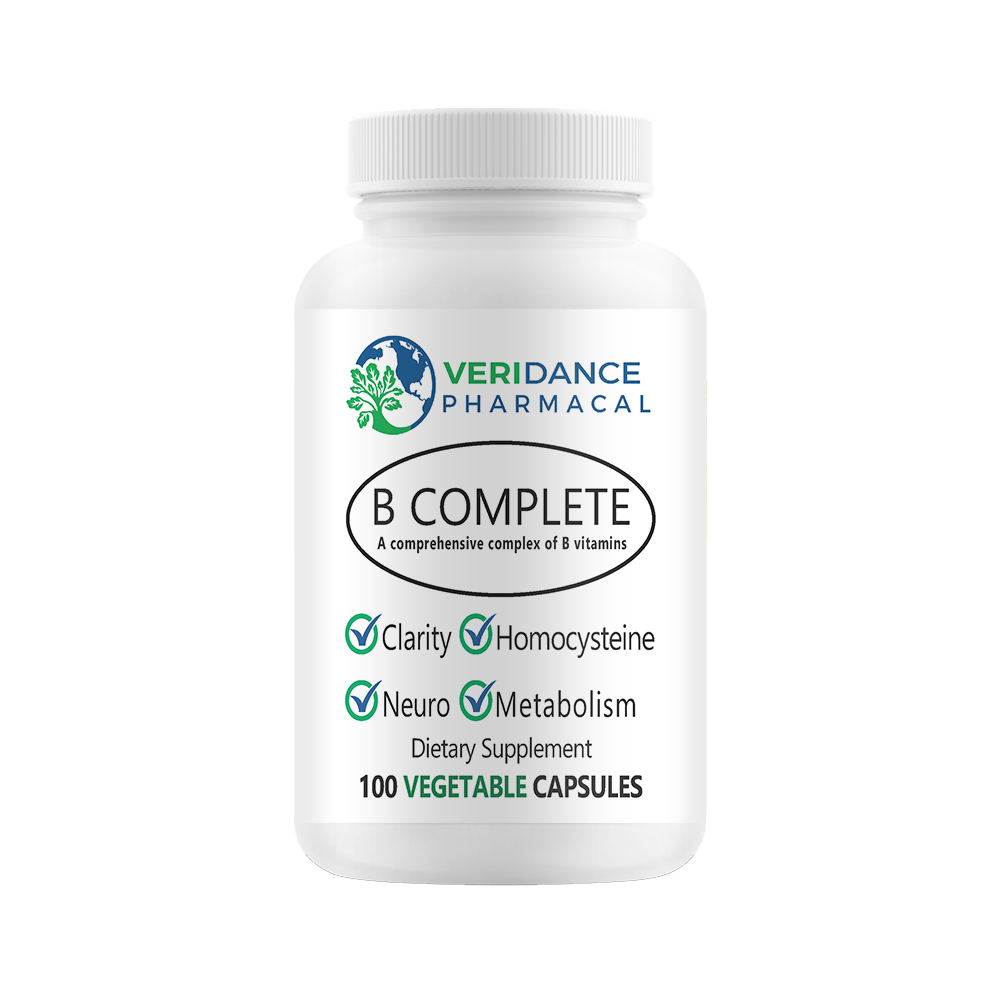
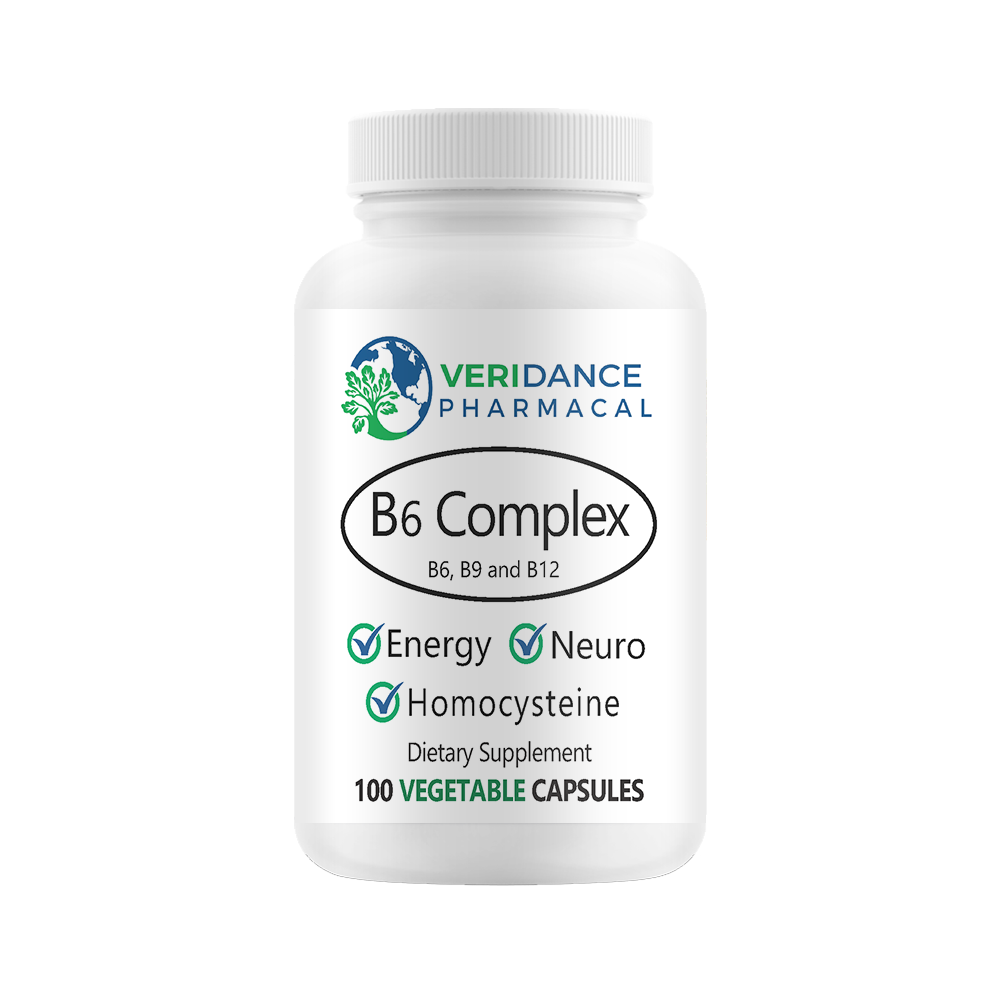
You may also see B12 in a B complex. A B complex can be convenient when your aim is wider B-vitamin support, such as support for normal energy metabolism alongside other B vitamins. A standalone B12 supplement is often simpler when B12 is the specific nutrient you want to focus on.
Higher strength does not always mean better. It may be appropriate for some people, particularly where a healthcare professional recommends it, but a high number on the label is not a reason to ignore the rest of your routine. Consider your dietary pattern, why you are supplementing and whether you have a confirmed need.
A capsule format can make daily supplementation straightforward. For people seeking a clean, easy routine, choose a product with clearly stated potency and ingredients, ideally in a format you are happy to take consistently. GreenVits focuses on high-potency supplements in convenient vegetable capsule formats for this reason: clarity supports consistency.
When and how to take B12
Most people can take a B12 supplement at a time that they will remember. Taking it with food can be more comfortable if supplements on an empty stomach do not suit you, although this is not essential for everyone.
Morning is popular because B12 is associated with energy metabolism, but it does not work like a stimulant. It will not provide an immediate energy surge in the way caffeine might. If you prefer to take all your supplements with breakfast, that can be a practical habit. The most useful time is the one you can maintain.
Follow the label directions and avoid stacking several products without checking the total amount. For example, a multivitamin, B complex and standalone B12 product can all contribute B12. This is not necessarily a problem, but knowing what you take helps you make informed decisions.
Signs that deserve professional advice
Tiredness can have many causes, from low iron to thyroid issues, stress, poor sleep or infection. B12 deficiency can also cause symptoms, but symptoms alone cannot confirm it.
Speak with a GP or qualified healthcare professional if you have persistent or worsening tiredness, weakness, a sore or red tongue, pins and needles, numbness, balance problems, memory changes, low mood or unexplained breathlessness. Neurological symptoms, such as numbness or difficulty walking, should not be left to self-treatment.
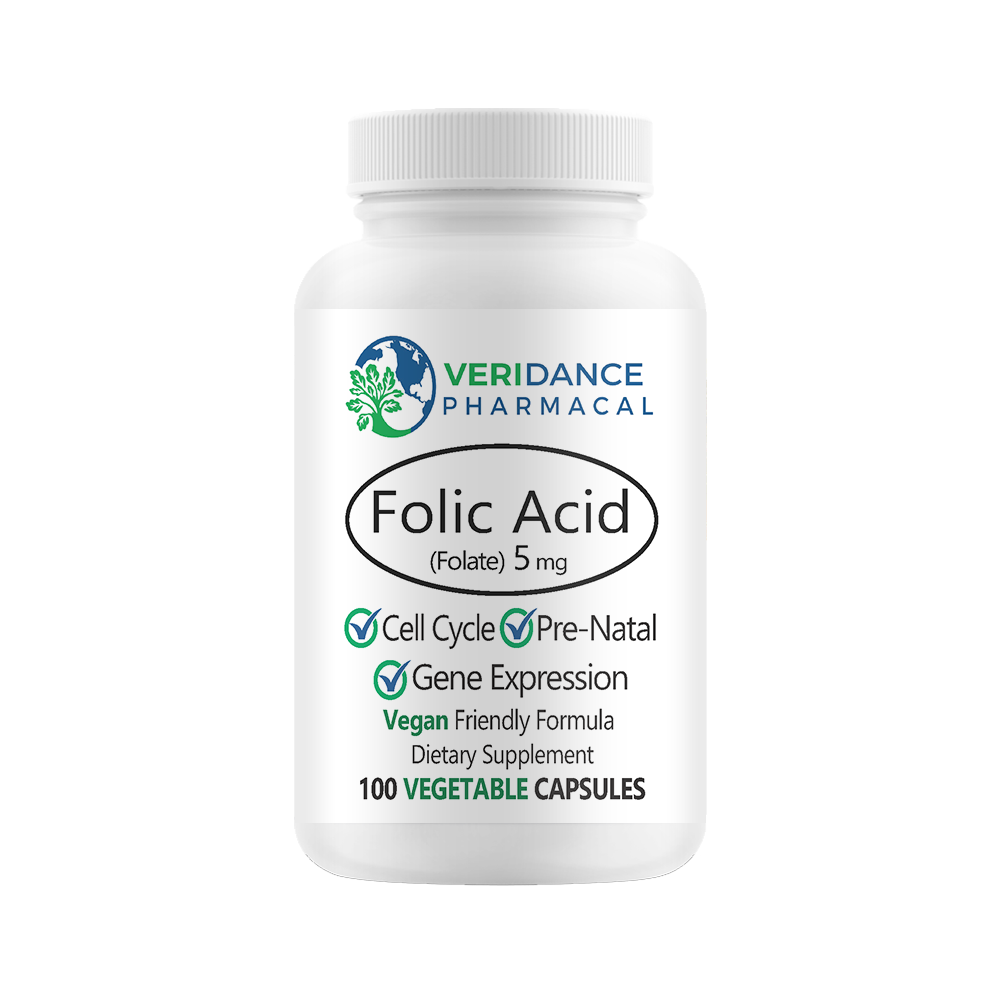
This is especially important if you take folic acid. Folic acid can improve certain blood changes linked with B12 deficiency while nerve-related problems may continue. If a deficiency is suspected, testing and appropriate treatment matter more than simply choosing a stronger over-the-counter supplement.
Building a routine you can keep
The most effective supplement routine is rarely the most complicated one. Begin with your likely source of B12: regular animal foods, fortified products or supplementation. Then decide whether a standalone B12 product or a broader B complex suits your goal.
Keep your supplements somewhere visible, pair them with an established habit such as breakfast, and review your routine occasionally. If your diet changes, for example if you move towards vegan eating, revisit your B12 plan rather than assuming your old routine still covers your needs.
A clear label, dependable quality and a dose you understand are better foundations than chasing trends. If B12 is part of your daily health plan, make it a simple habit you can feel confident keeping.