


Feeling unusually tired does not automatically tell you whether folic acid or B12 is the better choice. Both nutrients help the body make healthy red blood cells and support normal energy-yielding metabolism, so their symptoms can overlap. The right supplement depends on your diet, life stage, medicines and, in some cases, a blood test.
Folic acid or B12: the key difference
Folic acid is the manufactured form of folate, also known as vitamin B9. Folate occurs naturally in foods such as leafy green vegetables, beans, peas and citrus fruits. Folic acid is used in supplements and fortified foods because it is stable and readily absorbed.
Vitamin B12 is a separate B vitamin found naturally mainly in animal-derived foods, including meat, fish, eggs, milk and cheese. It has a particular role in normal red blood cell formation, psychological function and nervous system health.
The two vitamins work closely together. They both contribute to normal homocysteine metabolism and are involved in making DNA and new cells. That partnership is useful, but it does not make them interchangeable. Taking folic acid when you need B12, or the other way around, may leave the underlying issue unaddressed.
When folic acid may be the more relevant choice
Folic acid is most closely associated with pre-conception and early pregnancy support. UK guidance advises women who could become pregnant to take a daily 400 microgram folic acid supplement from before conception until the 12th week of pregnancy. This supports the baby's early neural tube development, at a point when many people may not yet know they are pregnant.
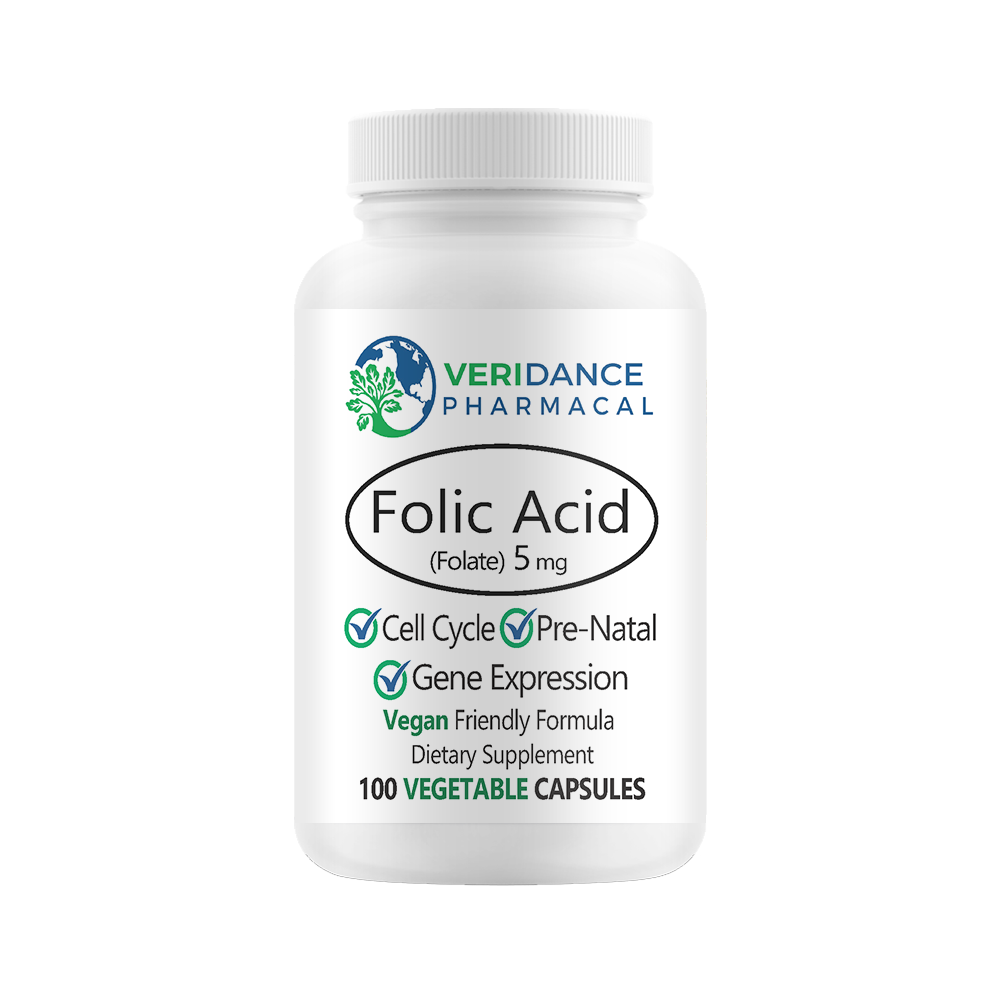
Some people are advised to take a higher 5 mg dose, but this should be prescribed by a GP or other qualified clinician. It may apply where there is a previous neural tube defect pregnancy, certain medicines are being taken, or particular health factors are present.
Outside pregnancy planning, low folate intake can occur when diet quality is poor, appetite has been low for a while, alcohol intake is high, or a condition affects nutrient absorption. A supplement can be a practical addition, but it should sit alongside food habits that provide a wider range of nutrients. Think spinach, broccoli, lentils, chickpeas and fortified cereals, rather than relying on one capsule to do every job.
Folic acid may also be considered after a healthcare professional identifies low folate. This matters because the cause is worth understanding, especially if tiredness, breathlessness, mouth ulcers or changes in mood have persisted.
When vitamin B12 may be the better fit
B12 deserves particular attention if you eat a vegan diet, as reliable natural dietary sources are limited. Vegetarians may also need to review their intake depending on how often they eat eggs and dairy. A regular B12 supplement is often a sensible, straightforward way to support intake when animal-derived foods are absent or minimal.
B12 absorption can become less efficient with age. It can also be affected by conditions involving the stomach or bowel, including pernicious anaemia, coeliac disease and Crohn's disease. Certain medicines, including metformin and some acid-reducing medicines, can affect B12 status over time. In these situations, professional advice and testing are more useful than guessing based on symptoms.
A B12 supplement may support normal energy metabolism and help reduce tiredness and fatigue when dietary intake is low. However, it is not a stimulant. If your B12 level is already healthy, taking more will not necessarily create a noticeable energy boost. Good sleep, sufficient food, stress management and medical assessment where needed still matter.
Why you should not use folic acid to cover possible B12 deficiency
This is the part that makes the folic acid or B12 decision more than a simple comparison. Folic acid can improve the anaemia associated with B12 deficiency while allowing damage to the nervous system to continue. That means someone may appear to feel better on paper, yet the underlying B12 issue remains.
Possible signs of B12 deficiency can include persistent fatigue, weakness, a sore or red tongue, pins and needles, balance problems, memory changes or low mood. These symptoms can have many causes, so they are not a diagnosis. But neurological symptoms, unexplained tiredness or suspected anaemia are good reasons to speak with a GP rather than starting high-dose folic acid alone.
If you already know that your B12 is low, follow the treatment plan you have been given. Some people need prescribed tablets or B12 injections because a standard oral supplement is not enough for the cause of their deficiency.
Can you take folic acid and B12 together?
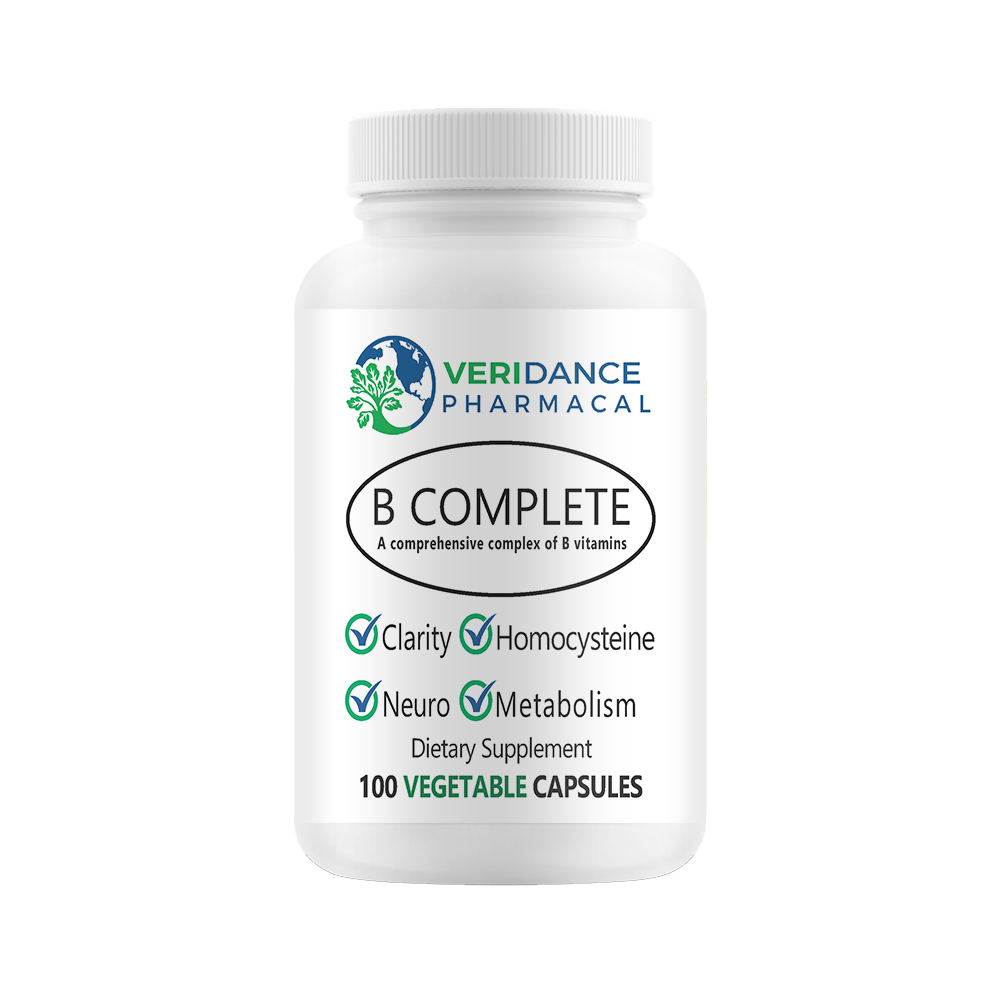
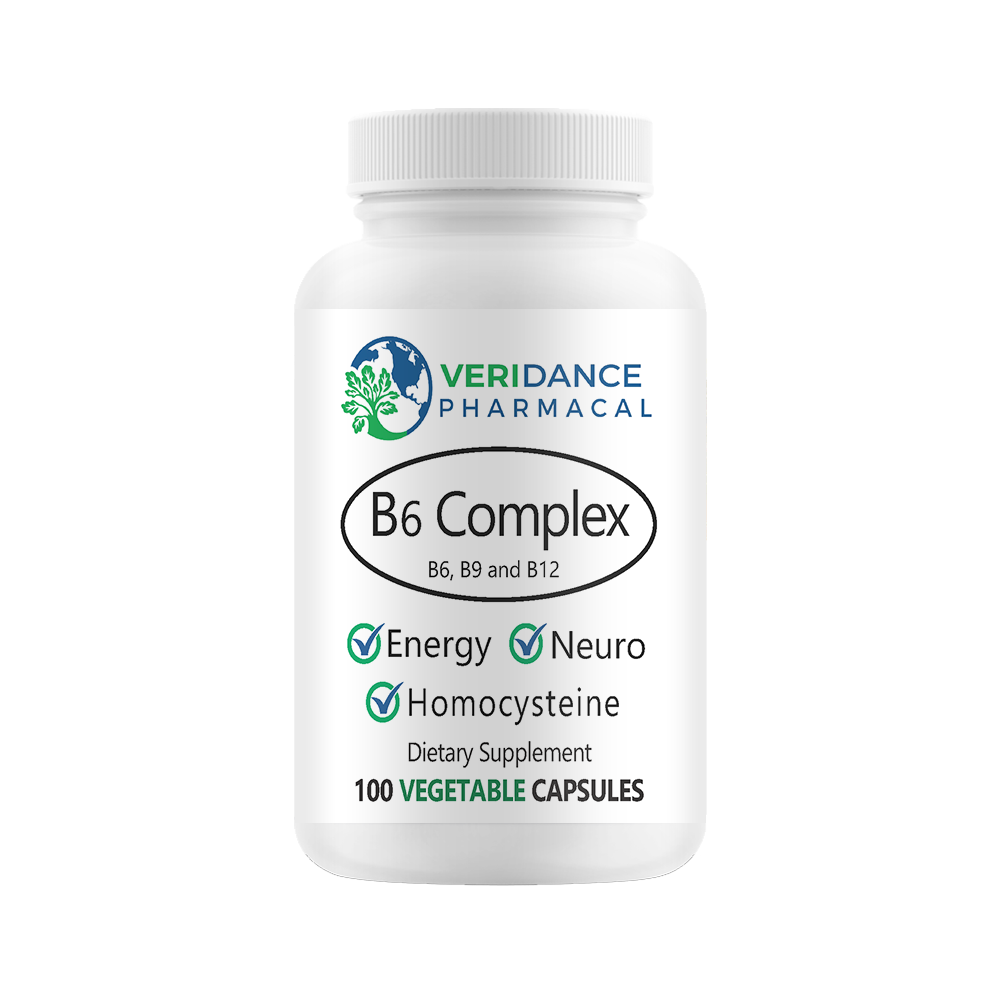
Yes. For many people, taking both as part of a quality vitamin B complex is appropriate, particularly where dietary intake may be inconsistent. The vitamins have complementary functions, and a B complex can be convenient for adults looking for broad daily B-vitamin support.
A targeted single supplement can be the clearer option when you have one specific need. Folic acid is the focused choice for women following pre-conception guidance. B12 is often the focused choice for vegans or those with limited animal-food intake. If a clinician has identified a deficiency, the supplement type and dose should follow their advice rather than a general wellness routine.
Potency is not the only factor when choosing a product. Look for a clearly stated amount per capsule, straightforward ingredients and a format you will genuinely take consistently. Vegetable capsules can be a practical choice for many diets, while a simple daily routine often works better than an overly complicated supplement cupboard.
A practical way to decide
Start with the reason you are considering a supplement. If you are trying for a baby or could become pregnant, folic acid has a well-defined role. If you are vegan, eat little or no animal food, or have been told your B12 intake may be low, B12 should be high on your list.
If tiredness is your main concern, pause before choosing based on that symptom alone. Low iron, poor sleep, thyroid problems, stress, infection and many other factors can affect energy. Blood testing can help distinguish folate or B12 deficiency from other common causes and gives you a more confident next step.
It is also worth checking whether medicines or digestive conditions could be relevant. Bring a list of your regular medicines and supplements to a pharmacist, GP or registered nutrition professional. This is especially useful if you are pregnant, breastfeeding, managing a long-term condition or taking prescribed treatment.
Food first, supplements where they help
A supplement is designed to support a diet, not replace it. For folate, build regular meals around green vegetables, pulses and fortified grains. For B12, include suitable animal foods if you eat them, or use fortified foods and a dependable supplement if you do not.
The best choice is not always folic acid or B12 in isolation. Sometimes it is both, sometimes it is a balanced B complex, and sometimes the right next step is a blood test. Choose the option that matches your needs, take it consistently, and seek professional advice when symptoms or risk factors suggest there may be more to investigate.