


A folic acid daily supplement is often a simple, sensible part of pregnancy planning, but it is not a one-size-fits-all choice for every adult. The right dose, timing and reason for taking it matter, particularly if you are trying for a baby, take regular medication or have been advised that your folate levels are low.
Folic acid is a well-established nutrient with a clear role in normal cell division and blood formation. For many people, food provides a useful baseline. For others, a supplement offers dependable daily support when needs are higher or diet alone may not be enough.
What folic acid does in the body
Folic acid is the form of folate commonly used in supplements. Folate is vitamin B9, a nutrient involved in normal blood formation, normal psychological function and the reduction of tiredness and fatigue. It also contributes to normal maternal tissue growth during pregnancy.
You can get natural folate from foods such as green leafy vegetables, beans, peas, lentils, citrus fruit and fortified breakfast cereals. These foods remain valuable because they provide fibre and other nutrients alongside folate. However, food intake can vary from one week to the next, and folate can be affected by cooking and storage.
That is where a measured supplement can be useful. A daily capsule provides a consistent amount without relying on a perfect diet. It supports a nutritional routine, rather than replacing balanced meals.
Folic acid daily supplement advice for pregnancy
The most widely recognised reason to take folic acid is when trying to conceive and during early pregnancy. UK guidance generally recommends taking 400 micrograms of folic acid each day from before conception until the end of the first 12 weeks of pregnancy. Taking it before pregnancy matters because the earliest stages of development happen before many people know they are pregnant.
This daily intake helps reduce the risk of neural tube defects, which affect the development of the brain and spine. It is a small, practical step that is worth building into your routine as soon as you start trying for a baby.
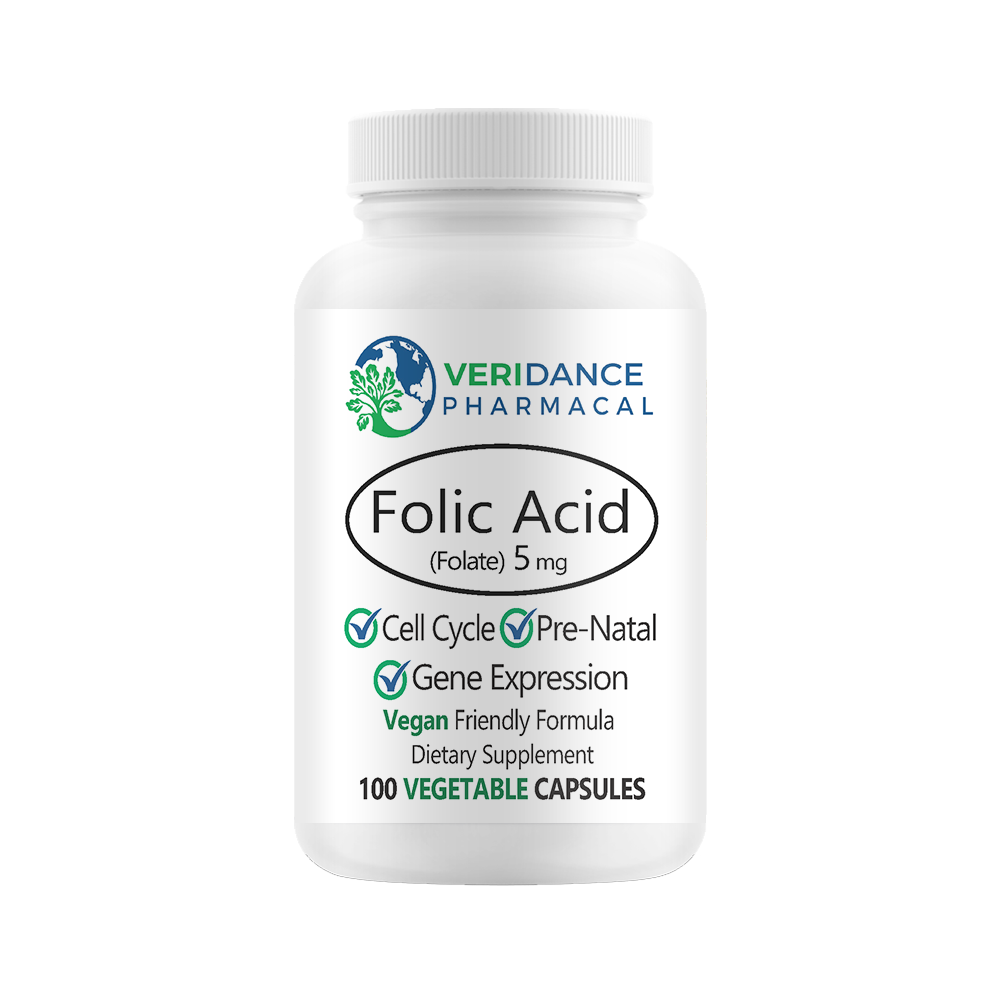
Some people may need a higher 5 mg dose, but this should be prescribed by a GP, midwife or another qualified clinician. Higher-dose advice may apply if you or your partner have a personal or family history of neural tube defects, you have had an affected pregnancy before, or you take certain medicines. People with diabetes, a BMI of 30 or above, or particular health conditions may also be advised to take a prescribed dose.
A standard over-the-counter supplement is not a substitute for personalised advice in these situations. If you are already pregnant and have not started folic acid, begin taking the recommended amount and contact your maternity team or GP for guidance.
Why starting before conception is useful
Waiting for a positive pregnancy test can mean missing part of the key early window. If pregnancy is possible, taking folic acid in advance removes one thing from the mental checklist when life gets busy.
Keeping the pack somewhere visible can help. Many people take it with breakfast, while others pair it with a regular evening routine. Folic acid can generally be taken with or without food, so consistency is usually more useful than searching for the perfect time of day.
Is daily folic acid right for everyone?
Not necessarily. Folic acid is particularly recommended around pregnancy, but adults who are not trying to conceive do not automatically need a separate folic acid supplement every day. Whether it makes sense depends on dietary intake, health history, test results and any professional advice you have received.
A clinician may recommend folic acid if blood tests indicate folate deficiency, if your diet is very limited, or if you have a condition that affects nutrient absorption. Long-term heavy alcohol intake and some digestive conditions can also affect folate status. In these cases, the appropriate dose and duration may differ from the standard pregnancy recommendation.
Folate deficiency can be associated with symptoms such as ongoing tiredness, weakness, breathlessness, headaches or mouth ulcers. These symptoms have many possible causes, so they should not be self-diagnosed. A blood test and proper assessment are more helpful than simply adding several supplements at once.
For men and women eating a varied diet, a general B-complex may be a more suitable option where broader B-vitamin support is wanted. The key is to choose a product for a clear reason, not because a high-strength label sounds better.
Choosing the right dose
Check the label carefully, as folic acid amounts are usually shown in micrograms, written as mcg or µg. For pregnancy planning and the first 12 weeks of pregnancy, 400 micrograms daily is the usual over-the-counter recommendation in the UK.
More is not always better. Higher doses should only be used when a healthcare professional has advised them. This is especially relevant if you are combining products. A multivitamin, prenatal formula and separate folic acid capsule may each contain folic acid, making it easy to take more than you intended.
When comparing supplements, look beyond the headline dose. Consider whether the product is suitable for your diet, whether you prefer a vegetable capsule, and whether the serving instructions are straightforward enough to follow daily. A quality supplement should make the routine easier, not more complicated.
Important checks before taking folic acid
Folic acid is suitable for many people, but a brief medication and health check is worthwhile. It can interact with some medicines, including certain anti-epileptic medicines. It is also commonly prescribed alongside low-dose methotrexate for some inflammatory conditions, although the dose and timing need to be set by the prescriber. This is different from methotrexate used in cancer treatment, where specialist advice is essential.
There is another reason not to self-treat unexplained fatigue with high-dose folic acid. Folic acid can improve the blood changes caused by vitamin B12 deficiency while the underlying B12-related nerve damage continues. If you have symptoms such as tingling, numbness, balance problems, memory changes or persistent exhaustion, seek medical advice rather than relying on a supplement alone.
Speak to a pharmacist, GP, midwife or dietitian before taking folic acid if you take regular medicines, have a long-term health condition, have had bariatric surgery, or are unsure which dose applies to you. This is not about making supplementation difficult. It is about choosing an amount that fits your circumstances safely.
Making a daily routine stick
The best supplement routine is usually the least complicated one. Take your folic acid at roughly the same time each day and keep it with an existing habit, such as making tea, brushing your teeth or preparing breakfast. If a dose is missed, take the next one at the usual time unless a clinician has given different instructions. Avoid doubling up to compensate.
Store capsules in a cool, dry place and keep them out of the reach of children. If you are preparing for pregnancy, it can also be useful to review your wider routine: balanced meals, vitamin D advice, avoiding smoking and limiting alcohol all support pre-conception health.
A folic acid supplement is a small daily action, but it can be especially meaningful when you are planning a pregnancy or following advice for low folate. Choose the appropriate dose, take it consistently, and ask for professional guidance whenever your health needs are less straightforward.