



Taking a vitamin D capsule with breakfast, magnesium in the evening and an Omega-3 soft capsule alongside a meal is a routine for many people. But are vitamins safe together? Usually, yes - when they are taken at sensible doses and selected for a clear reason. The detail matters, though. Some nutrients support each other, while others can compete for absorption or become unsuitable when medicines and health conditions are involved.
A simple supplement routine should support your day, not leave you second-guessing every capsule. The best approach is to understand what you are taking, check the amounts across all products, and use timing where it genuinely helps.
Are vitamins safe together in daily routines?
For most healthy adults, common vitamins and supplements can be combined. Vitamin D3 and K2 are often taken together, for example, while a B complex may sit comfortably alongside magnesium and Omega-3. These products have different roles in the body and do not automatically cancel each other out.
The biggest issue is rarely the number of capsules. It is duplication. A multivitamin, fortified food, individual vitamin and specialist formula can all contain the same nutrient. Taken together every day, the total may be far higher than intended.
This is particularly relevant for fat-soluble vitamins: A, D, E and K. Unlike water-soluble vitamins, which are generally not stored in the same way, these can build up in the body. Vitamin D is useful for people with low sun exposure, especially through UK autumn and winter, but higher-strength products should be chosen with the total daily intake in mind.
Check each product label before adding anything new. Look for the active nutrient, amount per serving and suggested use. Do not assume that a premium or natural product can be taken without limits. Quality matters, but so does dose.
Combinations that commonly make sense
Some pairings are popular because they are convenient and complementary. Vitamin D3 with K2 is one example. Vitamin D contributes to normal immune system function and maintenance of normal bones and muscles, while vitamin K contributes to normal blood clotting and maintenance of normal bones. They are often presented together in one daily formula for practical bone-related nutrient support.
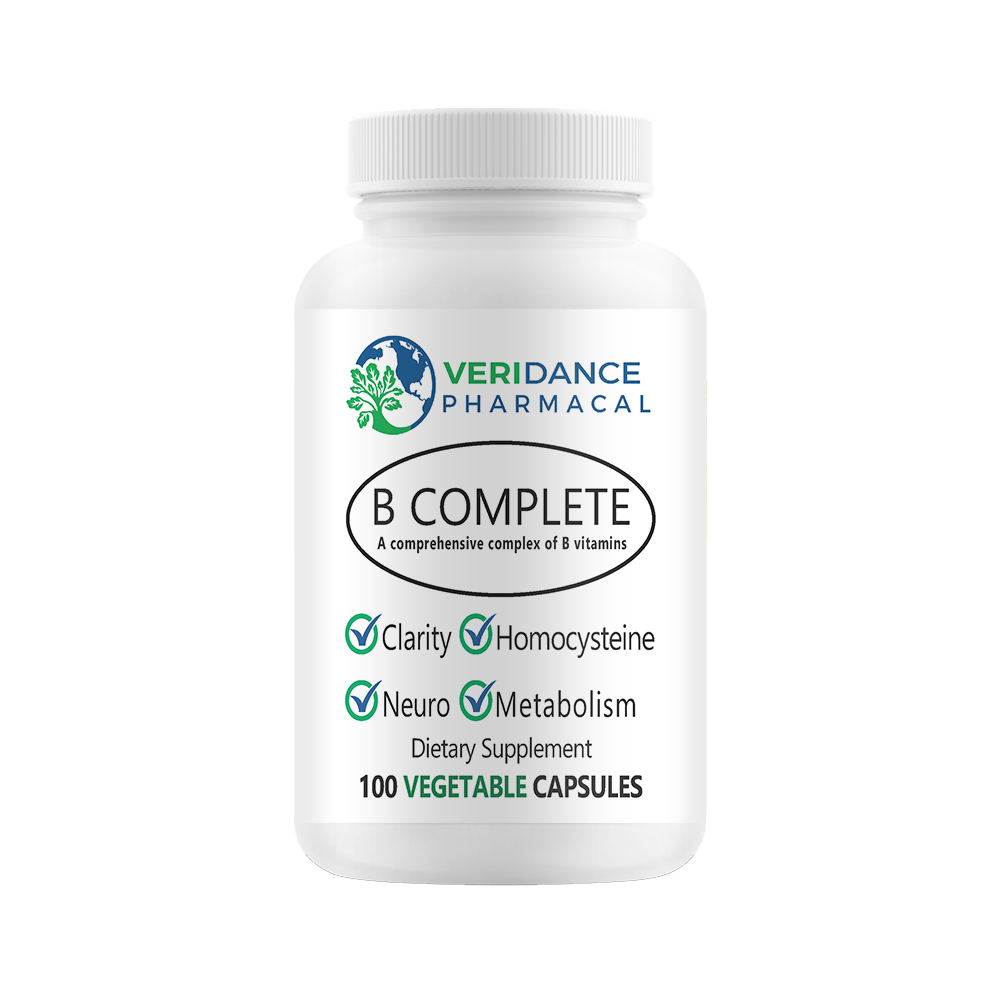
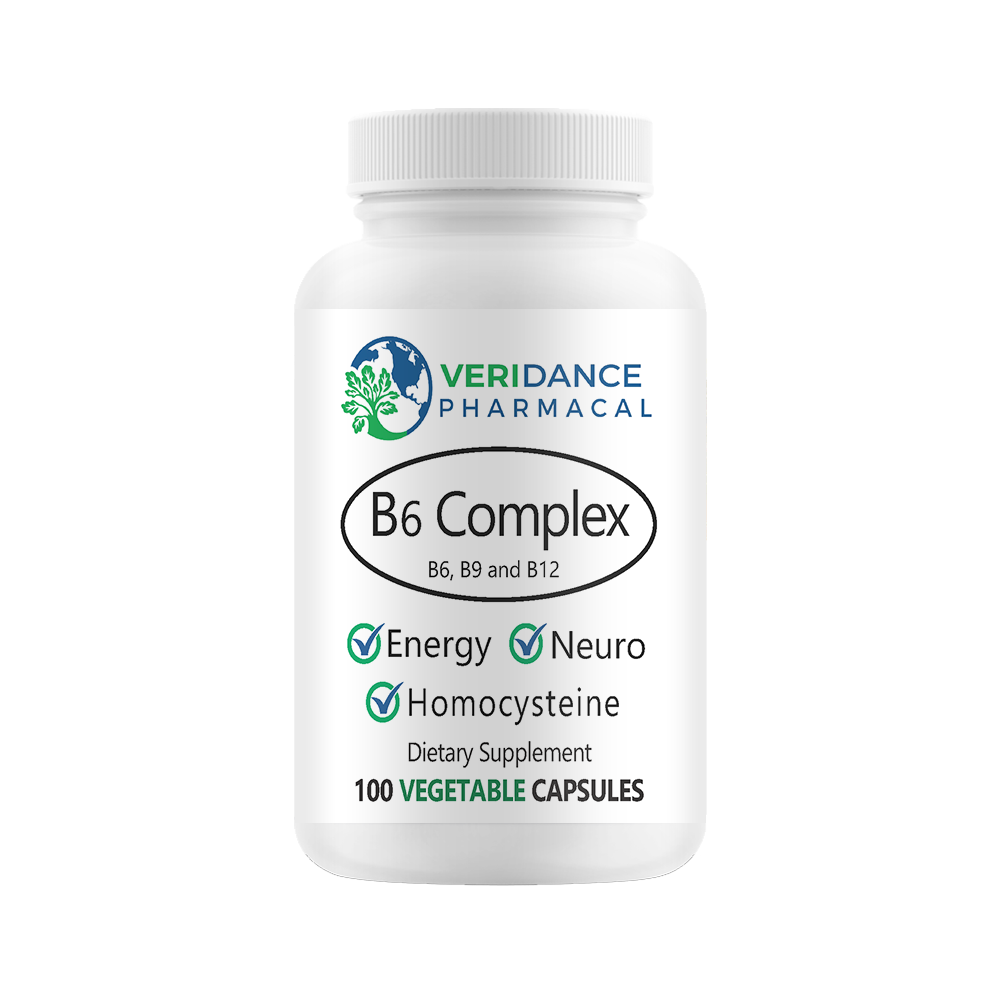
Magnesium and a B complex are another common combination for people looking to support normal energy-yielding metabolism and reduce tiredness and fatigue. Magnesium also contributes to normal muscle function and normal psychological function. A B complex can be a practical choice where several B vitamins are wanted in one capsule rather than buying each nutrient separately.
Omega-3 can also be used alongside vitamins and minerals. Taking it with food is often more comfortable and may help reduce the chance of a fishy aftertaste. As with many supplements, consistency is more useful than complicated scheduling.
These combinations are not a promise that everybody needs every product. Your diet, lifestyle, age, medication and personal health goal all shape what is appropriate. A focused routine is usually easier to maintain and easier to review.
When timing can make a difference
You do not need a perfect supplement timetable. However, a few adjustments can improve comfort and help avoid common absorption issues.
Fat-soluble vitamins, including vitamin D, are generally best taken with a meal containing some fat. Breakfast or lunch often works well, especially if it helps you remember. Omega-3 is also commonly taken with food.
Magnesium can be taken at different times of day, but some people prefer it in the evening as part of their wind-down routine. If it causes stomach upset, taking it with food or splitting the dose may help. Follow the serving guidance on the label rather than increasing your dose in search of a faster effect.
Minerals need a little more thought. Calcium, magnesium, iron and zinc can compete when taken in large supplemental doses at exactly the same time. This does not mean they are unsafe together, but spacing them out can be sensible if you take individual high-strength mineral products. Iron deserves particular care because it is not a supplement everyone should take routinely.
Tea, coffee and dairy products can also affect iron absorption, so an iron supplement is often better taken separately from them. If iron has been recommended following a blood test or by a clinician, follow their specific advice.
The interactions worth checking before you start
The question is not only whether supplements interact with each other. It is whether they interact with your medicines. This is where a pharmacist is especially valuable.
Vitamin K should not be started, stopped or substantially changed without clinical advice if you take warfarin or another anticoagulant where vitamin K intake needs to remain consistent. The concern is not that vitamin K is inherently harmful, but that changes can affect how the medicine is managed.
Omega-3 supplements should also be discussed with a pharmacist or prescriber if you take anticoagulants or antiplatelet medicines, have a bleeding disorder, or are preparing for surgery. High-dose vitamin E can raise similar questions.
Magnesium may reduce the absorption of certain medicines if taken too close together. This includes some antibiotics and medicines used for an underactive thyroid. A pharmacist can advise on the right gap for your specific prescription. Do not guess, particularly with regular medication.
Folic acid is widely used at specific life stages, including before and during early pregnancy, but the right amount varies. Anyone who is pregnant, trying for a baby, breastfeeding or taking anti-epileptic medication should seek tailored professional advice before building a broader supplement routine. Vitamin A supplements should generally be avoided in pregnancy unless specifically prescribed.
People with kidney disease, liver disease, haemochromatosis, conditions affecting absorption, or a history of kidney stones should also check before using high-potency vitamins or minerals. The same applies if you are buying supplements for a child. Adult doses are not automatically suitable for younger people.
How to build a sensible supplement routine
Start with the outcome you want to support. If your focus is vitamin D intake during months with limited sunlight, a vitamin D3 product may be the clear choice. If you want a convenient formula for energy metabolism and psychological function, a B complex may be more useful than several separate B vitamins. Avoid adding products simply because they are popular.
Next, write down everything you already take. Include multivitamins, powders, gummies, fortified drinks and occasional products as well as daily capsules. This quick check is the easiest way to spot duplicated vitamin D, folic acid, vitamin B6, zinc or magnesium.
Then keep the routine simple. Take food-based supplements such as vitamin D3 with K2 and Omega-3 alongside a meal. Use a separate time for any medicine that needs spacing from minerals. If you are adding more than one new product, introduce them one at a time over several days. That makes it much easier to notice if something does not suit you.
Finally, treat symptoms as information. Nausea, stomach discomfort, headaches, tingling, diarrhoea or unexpected bruising are reasons to pause and seek advice, especially if symptoms are new, persistent or severe. Supplements are intended to complement a balanced diet, not replace medical assessment or prescribed treatment.
A clearer way to choose what you take
More is not always better. High-potency products can be useful when they meet a defined need, but a growing collection of overlapping supplements can make dosing unclear. Choosing well-labelled, single-purpose products helps you stay in control of your intake.
If you are healthy, not taking medicines and using products within their labelled directions, many everyday vitamins can safely be taken together. Where medication, pregnancy, an ongoing condition or higher doses are part of the picture, a quick conversation with a pharmacist can turn uncertainty into a routine you can feel confident about.