
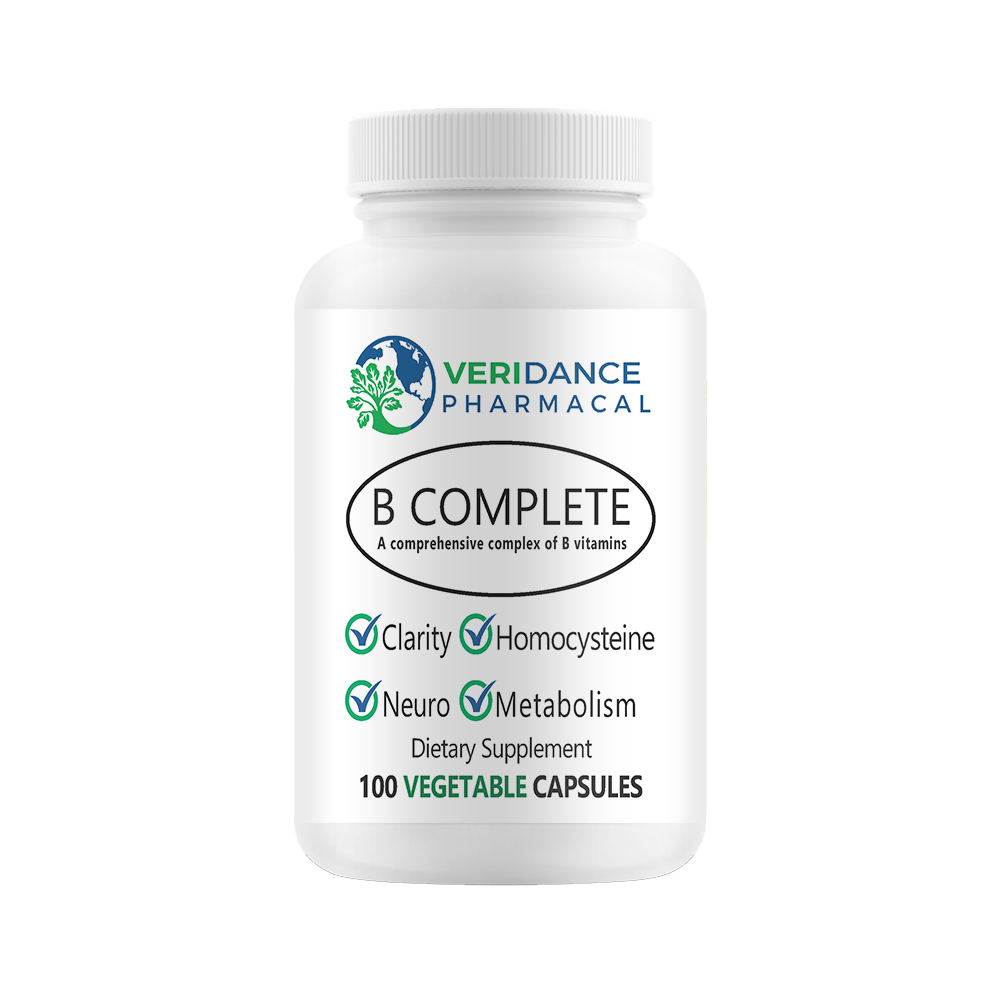
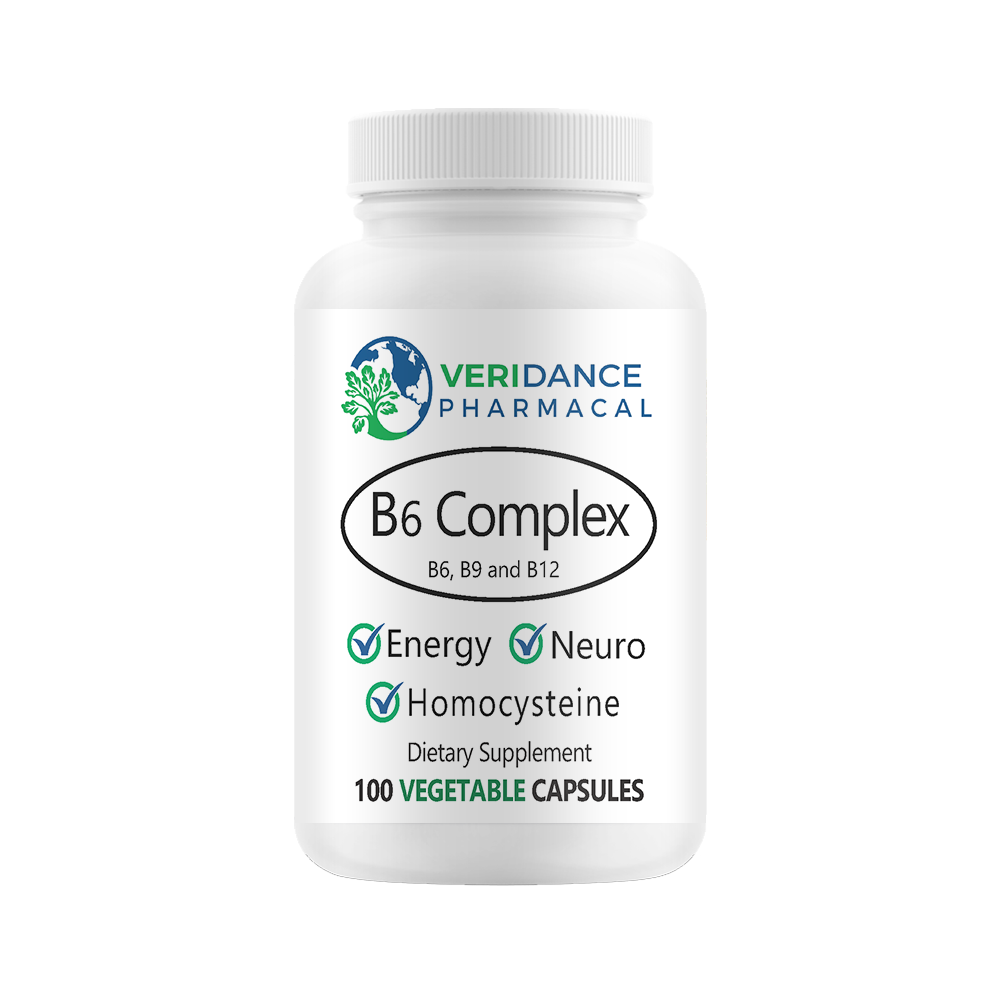
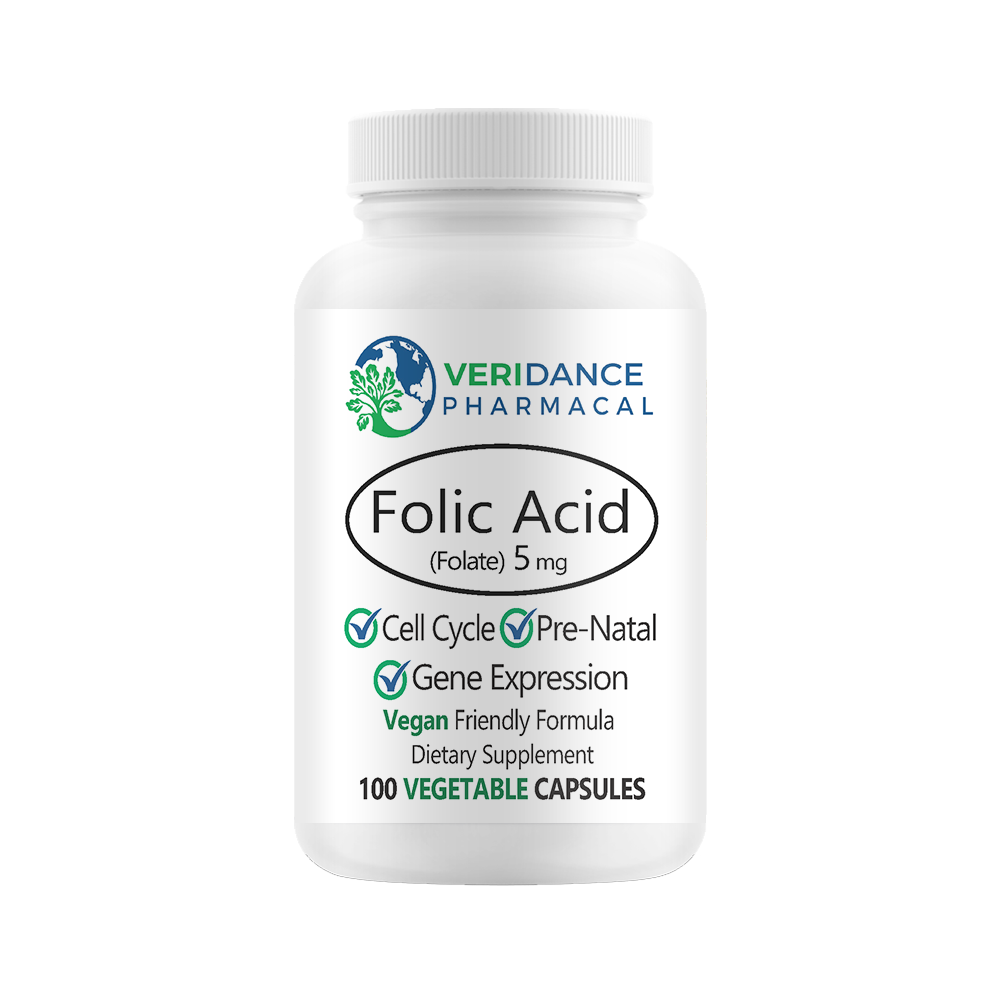


Feeling run-down after a busy week can make any energy supplement sound appealing. A useful vitamin B complex review, however, should look beyond the front-of-pack promise. The best choice is not simply the product with the longest ingredient list or the highest number on the label. It is the formula that provides the B vitamins you need, in sensible amounts and a format you will take consistently.
B vitamins support a range of normal functions in the body, including energy-yielding metabolism, nervous system function and psychological function. They are not stimulants, and a B complex is not a replacement for sleep, balanced meals or medical advice when tiredness is persistent. For many adults, though, a clearly labelled daily formula can be a practical way to support nutritional intake.
Vitamin B Complex Review: What a Good Formula Includes
A B complex normally brings together the eight B vitamins: thiamin (B1), riboflavin (B2), niacin (B3), pantothenic acid (B5), vitamin B6, biotin (B7), folate (B9) and vitamin B12. Each has a different role, which is why a combined product can be more useful than selecting one nutrient without a clear reason.
Thiamin, riboflavin, niacin, pantothenic acid, vitamin B6 and vitamin B12 all contribute to normal energy-yielding metabolism. Several B vitamins also contribute to the reduction of tiredness and fatigue, including riboflavin, niacin, pantothenic acid, folate, vitamin B6 and B12. These permitted nutrient functions explain why B complexes are often chosen during demanding periods at work, when routines are less balanced, or when someone wants straightforward daily nutritional support.
A good label should show every nutrient clearly, including the amount per capsule and its percentage of Nutrient Reference Value (NRV). This allows you to compare products properly. A vague proprietary blend may look impressive, but it gives you less information about what you are actually taking.
Look at the whole label, not just B12
Vitamin B12 often receives the most attention, particularly from people following vegan or vegetarian diets. It is an essential nutrient, and low B12 intake can be more likely where animal-derived foods are limited. But a B complex should still be assessed as a complete formula.
Folate contributes to normal blood formation and normal psychological function. Vitamin B6 contributes to normal immune system function and the regulation of hormonal activity. Biotin contributes to normal energy-yielding metabolism and normal functioning of the nervous system. The right balance depends on your diet, lifestyle and reasons for supplementing.
If you know you have been advised to take a specific nutrient, such as folic acid before and during early pregnancy, a general B complex may not be the most appropriate substitute. Follow the guidance given by your GP, pharmacist or midwife, especially where a particular dose is recommended.
Potency: More Is Not Always Better
High-strength supplements can be convenient, but higher amounts are not automatically more beneficial. The aim is to choose a dose that suits regular use and your individual circumstances, rather than treating potency as a competition.
Vitamin B6 deserves particular attention. It is needed for normal function, but taking too much for a long period may cause problems, including peripheral neuropathy. Check the amount per daily serving and consider everything else you take, including multivitamins, magnesium blends and fortified foods. The UK guidance around B6 has changed over time, so it is sensible to choose a product with clear, responsible dosing and seek professional advice if you are unsure.
Niacin is another example where the form can matter. Nicotinic acid may cause flushing at higher levels, whereas nicotinamide is generally associated with a different experience. The label should name the form used, particularly if you have reacted to a supplement before.
For everyday use, a formula with transparent amounts and clear directions is usually more valuable than one built around dramatic claims. Supplements support a healthy lifestyle. They should not be used to explain away ongoing exhaustion, numbness, breathlessness, unexplained weight changes or low mood that needs proper assessment.
Capsule Quality and Everyday Convenience
The most carefully selected formula only helps if it fits into your routine. For many people, one vegetable capsule with breakfast is easier to remember than several tablets spread across the day. A vegetable capsule can also suit customers who prefer to avoid gelatine.
Check the suggested serving size before comparing prices. One brand may show an attractive cost per bottle but require two or more capsules daily. Looking at the cost per recommended daily serving gives a fairer picture.
It is also worth checking the ingredient panel for unnecessary extras if you prefer a cleaner formula. Capsule shells, flow agents and fillers are common in supplements and are not necessarily a problem, but customers who value a simple product may prefer a shorter list. Clear allergen information and non-GMO positioning can add reassurance where those details matter to you.
Colour changes in urine can also be a surprise for first-time users. Riboflavin naturally has a bright yellow colour, and excess amounts may make urine appear more vivid yellow. This can be normal, but always read the product guidance and ask a pharmacist about symptoms that concern you.
Who May Benefit From a B Complex?
A B complex can be a sensible consideration for adults whose dietary intake may be inconsistent, those with restrictive eating patterns, and people looking for broad nutritional support during busy periods. Vegans commonly need a reliable source of B12, while older adults may wish to discuss B12 status with a healthcare professional because absorption can change with age.
People who drink alcohol heavily, have digestive conditions, have had certain gastrointestinal surgery, or take medicines that affect nutrient absorption should not rely on guesswork. Their needs may be more specific than a general supplement can address. Blood tests and professional advice can help establish whether there is a deficiency and what form or dose is appropriate.
A B complex is also not always necessary. If you eat a varied diet and have no identified need, you may already obtain sufficient B vitamins from foods such as wholegrains, pulses, eggs, dairy products, leafy greens, meat, fish and fortified cereals. Supplementing is a personal choice, not a measure of how healthy your diet is.
How to Choose With Confidence
When comparing products, focus on a few practical details: the full B-vitamin profile, the amount of each nutrient per serving, the form and capsule type, the recommended daily dose, and any relevant dietary preferences. Choose a retailer that provides clear product information and handles orders dependably, rather than making promises no supplement can guarantee.
For UK customers who want a focused, high-potency option in a convenient vegetable capsule, GreenVits keeps the decision simple with clearly positioned daily wellness products. If you are ordering a supplement because you have a diagnosed deficiency or ongoing symptoms, make your healthcare professional your first point of contact.
Take your chosen B complex as directed, preferably as part of an established daily habit such as breakfast. Give your routine time, keep your expectations realistic, and let the label, your diet and your individual needs guide the choice rather than a headline potency figure.