


A supplement routine can look simple on the kitchen counter, yet the combined effect of several capsules, fortified foods and prescribed medicines may not be. Knowing how to avoid supplement interactions is less about avoiding supplements altogether and more about choosing the right products, doses and timings for you.
For most healthy adults, a well-chosen supplement can be a practical way to support nutritional intake. The key is to treat every capsule as part of your wider health routine, not as a stand-alone product. A quick check before starting, changing or combining supplements can prevent avoidable problems.
Start with your medicines, not your supplement shelf
If you take prescription medicine, regular over-the-counter treatments or herbal remedies, check these first. Pharmacists are particularly well placed to advise on common medicine and supplement combinations, including products bought without a prescription.
Bring a complete list rather than relying on memory. Include the product name, strength, how often you take it and when you take it. This should cover multivitamins, individual vitamins, minerals, fish oils, protein powders, herbal blends, electrolyte drinks and fortified foods. A medicine interaction may come from an ingredient you did not realise was present.
This step matters most if you take medicine for blood thinning, thyroid conditions, diabetes, blood pressure, epilepsy, depression, heart conditions or immune-related illnesses. It is also sensible to seek advice if you are pregnant, breastfeeding, preparing for surgery, or managing kidney or liver disease.
Check for duplicate ingredients and high total doses
Taking two products with similar benefits can accidentally double up the same nutrient. For example, a multivitamin may already contain vitamin D, folic acid, vitamin B12 or magnesium. Adding separate high-strength products without checking the labels can take your daily intake higher than intended.
This does not mean a higher-strength supplement is automatically unsuitable. Some people have a confirmed deficiency, a dietary need or advice from a healthcare professional that makes a particular dose appropriate. The point is to add up the total amount from all sources before making a decision.
Pay close attention to these common overlaps:
- Vitamin D in multivitamins, cod liver oil and dedicated vitamin D products.
- Vitamin K in vitamin D3 with K2 formulas, greens powders and multivitamins.
- Magnesium in sleep blends, electrolyte powders, multivitamins and standalone magnesium products.
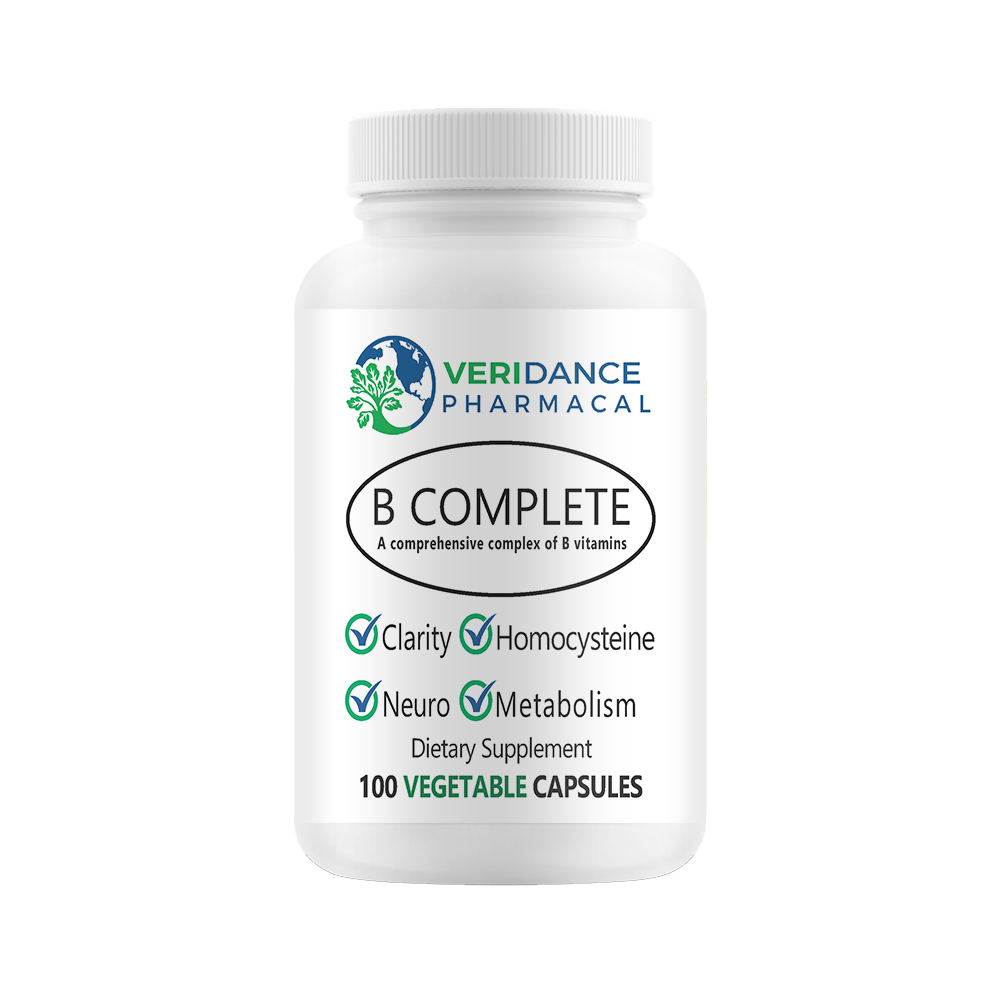
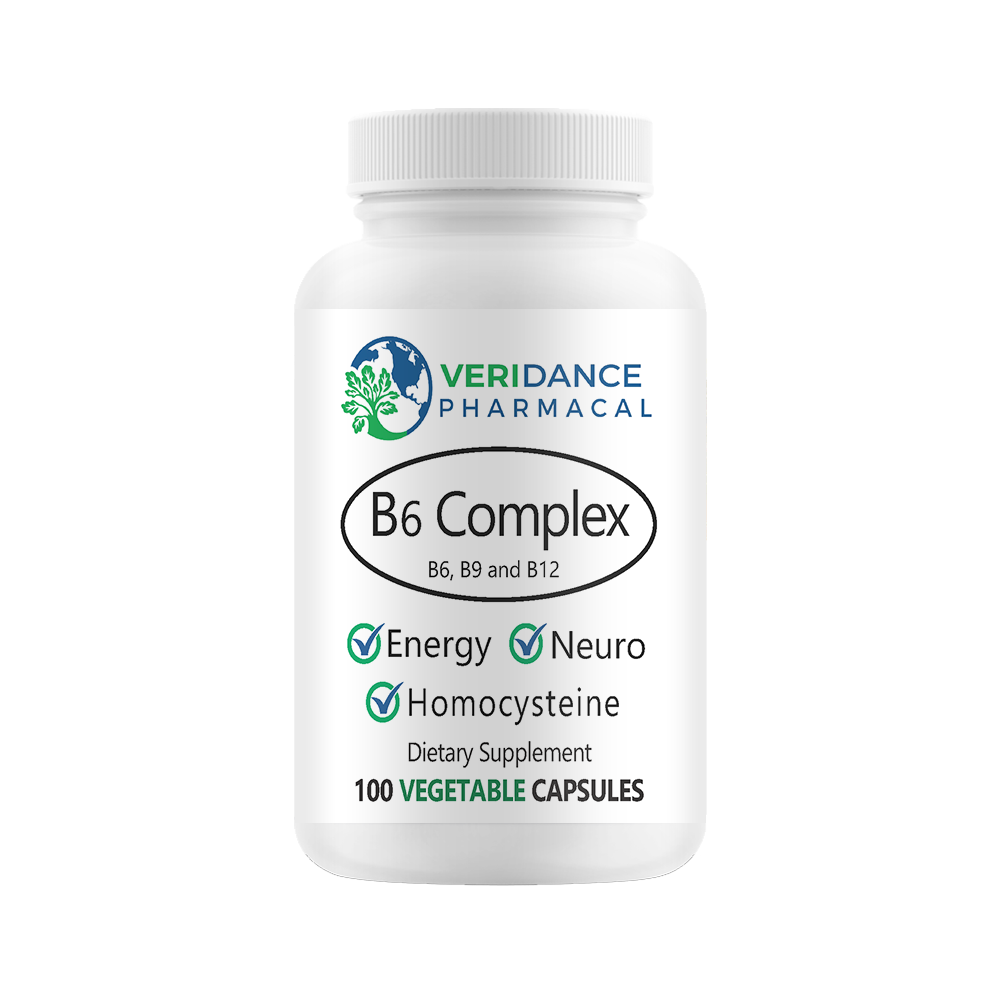
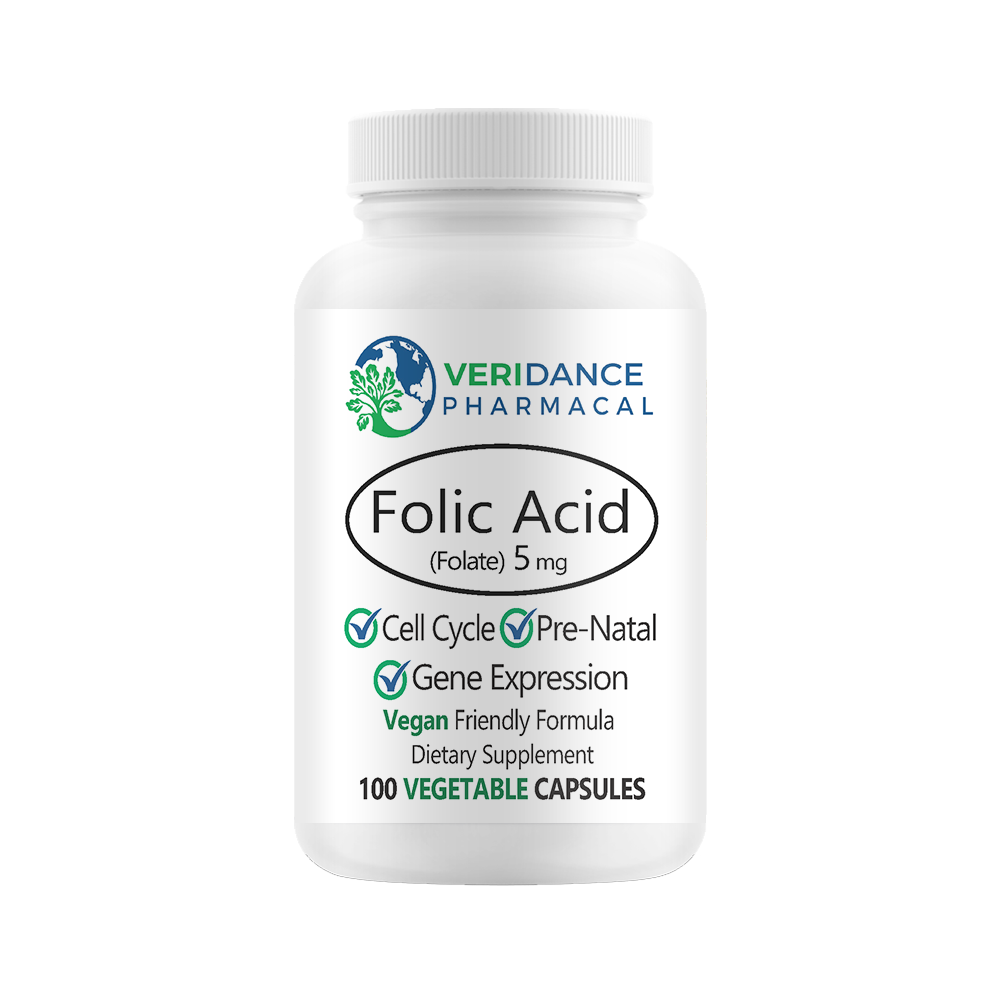
- Folic acid in pregnancy products, B-complex formulas and multivitamins.
- Omega-3 oils in fish oil capsules, cod liver oil and combination heart-health products.
Know the interactions that deserve extra care
A few well-known combinations are worth understanding because they come up frequently in everyday routines.
Vitamin K2 and blood-thinning medicines
Vitamin K plays a role in normal blood clotting. If you take warfarin or another medicine where vitamin K intake needs careful management, do not start or stop a vitamin K-containing supplement without speaking to the clinician overseeing your treatment. Consistency can matter as much as the amount.
Vitamin D3 with K2 may suit many people looking for bone-related nutrient support, but it is not a one-size-fits-all choice when anticoagulant medicine is involved.
Minerals, thyroid medicine and certain antibiotics
Magnesium, calcium, iron and zinc can affect how well some medicines are absorbed in the gut. This is especially relevant to levothyroxine for an underactive thyroid and to certain antibiotics. Taking a mineral supplement at the same time as these medicines may reduce the medicine's effectiveness.
The solution is often spacing doses apart, but the right interval depends on the medicine and mineral involved. Ask a pharmacist for specific timing rather than guessing. Keep the advice with your medication or set a reminder on your mobile phone so it becomes part of your routine.
Omega-3 supplements and bleeding risk
Omega-3 supplements are widely used for dietary support, but higher-dose products may be relevant if you take anticoagulant or antiplatelet medicine, have a bleeding disorder or are due to have an operation. Tell your pharmacist, GP or surgical team about all supplements, including fish oil, well before a procedure.
Do not stop prescribed blood-thinning medicine because you are taking omega-3. Any change to prescribed treatment should be made only with professional advice.
Folic acid and vitamin B12 status
Folic acid is an important nutrient, particularly before and during early pregnancy when advised. However, high folic acid intake can mask some signs of vitamin B12 deficiency while nerve-related effects continue. If you have ongoing tiredness, tingling, balance changes, memory concerns or a restricted diet, speak to a healthcare professional rather than simply increasing your folic acid dose.
A balanced B-complex may be a practical option for some people, but persistent symptoms always deserve proper assessment.
Herbal products are supplements too
Herbal remedies can interact with medicines just as vitamins and minerals can. St John's wort is a familiar example: it can affect a wide range of prescribed medicines, including some contraceptives, antidepressants and medicines used after organ transplantation. Never assume that a product labelled natural is automatically compatible with your medication.
Use timing to reduce avoidable problems
Taking everything together at breakfast is convenient, but it is not always ideal. Some nutrients are better tolerated with food, while some medicines need an empty stomach or a carefully timed schedule. Your prescription label and pharmacist's guidance should always take priority.
As a practical starting point, take supplements with a meal if they cause nausea or stomach discomfort, unless the label or a pharmacist advises otherwise. Fat-soluble vitamins such as vitamin D are commonly taken with food containing some fat. This can be as straightforward as breakfast or your evening meal.
If you need to separate a mineral from a medicine, choose a routine you can keep. For example, a prescribed morning medicine may be taken exactly as directed, while magnesium is taken later with dinner. Consistency is more useful than a complicated plan that is difficult to follow.
Read beyond the front label
The front of a pack may highlight energy, mood, heart health or stress support. Turn the pack over before buying or combining products. Check the active ingredients, dose per capsule, serving size, allergens and any caution statements.
Also consider the format. A soft capsule, vegetable capsule, powder or gummy may contain different added ingredients and serving sizes. Two products with the same headline nutrient are not necessarily equivalent in strength.
It is wise to buy supplements from a reputable retailer that provides clear product information and batch details. Avoid products making dramatic promises, particularly those marketed as replacements for medical treatment. Reliable wellness support should feel straightforward, not secretive or exaggerated.
When to pause and ask for advice
Stop taking a new supplement and seek prompt medical advice if you develop signs of an allergic reaction, such as swelling of the lips, mouth or throat, difficulty breathing, or a widespread rash. For severe symptoms, seek urgent help.
For less urgent concerns, speak to a pharmacist or GP if you notice persistent digestive upset, unusual bruising, headaches, palpitations, sleep changes or a new symptom that started after adding a product. These effects do not always mean an interaction, but they are worth reviewing.
A medication review is also a good time to revisit supplements. If your prescription changes, your health status changes or you begin a new diet, the routine that suited you six months ago may need adjusting.
How to avoid supplement interactions in everyday life
The most reliable approach is simple: keep an up-to-date list, avoid unnecessary overlap, follow the labelled dose and check new products against your medicines before you start. Store that list in your mobile phone as well as in your medicine cabinet, so it is available at pharmacy appointments and when travelling.
For a focused routine, choose products that match a clear nutritional goal rather than adding several formulas with similar ingredients. A high-quality vitamin D3 with K2, magnesium, B-complex or omega-3 product can be easy to fit into daily life when you understand exactly why you are taking it and how it fits around your medicines.
Small checks protect the value of your routine. A few minutes spent reading the label or asking a pharmacist can help you take supplements with greater confidence, while keeping your everyday health support clear, consistent and safe.