



The best daily vitamin routine UK adults can follow is rarely the one with the most bottles in the cupboard. It is the routine that fits your diet, your goals and your mornings well enough to become a habit. For many people, that means starting with the nutrients most relevant to life in the UK, then adding targeted support only where it makes sense.
Supplements are there to support a balanced diet, not replace one. Your food, sleep, movement and time outdoors still do the heavy lifting. A few well-chosen nutrients can, however, be a practical way to support everyday health when diet, season or lifestyle leaves gaps.
Start your daily vitamin routine UK with a clear goal
Before choosing a supplement, decide what you want your routine to support. Feeling run down after a demanding period at work is different from eating little oily fish, following a plant-based diet, or wanting to maintain bone health through winter. A high-potency single nutrient product can be easier to choose and manage than a broad multivitamin containing ingredients you may not need.
Keep the question simple: what is most likely to be missing from my diet or routine? For example, people who spend much of the day indoors may prioritise vitamin D. Those with low intake of fish may look at omega-3. If your diet is varied and you have no particular concern, a long supplement list is not automatically better.
Your age, health conditions, prescribed medicines, pregnancy plans and dietary pattern all matter. Speak to a GP, pharmacist or registered dietitian before starting supplements if you are pregnant or breastfeeding, have a medical condition, take regular medication, or are considering higher doses. This is particularly relevant for nutrients that can interact with medicines, including vitamin K, omega-3 and magnesium.
The practical foundations for UK adults
A routine does not need every nutrient below. Think of these as common starting points to consider, rather than a checklist to complete.
Vitamin D: a year-round consideration
Vitamin D is the most obvious place to begin for many UK households. Sunlight can help the body make it, but autumn and winter daylight in the UK is not always strong enough for this purpose. Indoor work, covering the skin outdoors and darker skin can also affect how much vitamin D the body produces.
Government guidance commonly recommends that adults and children over the age of four consider a daily 10 microgram vitamin D supplement during autumn and winter. Some people may benefit from taking it throughout the year, depending on their circumstances. Vitamin D contributes to the normal function of the immune system and to the maintenance of normal bones, teeth and muscle function.
Take vitamin D with a meal or snack containing some fat, such as breakfast with yoghurt, eggs or avocado, or your main evening meal. This can suit the fact that it is fat-soluble. Avoid taking several products that each contain vitamin D without checking the total amount.
B vitamins for energy support
B vitamins are often chosen when energy support is the goal. They help with normal energy-yielding metabolism, and certain B vitamins also contribute to the normal functioning of the nervous system and to the reduction of tiredness and fatigue. That does not mean they act like a quick caffeine substitute. If tiredness is new, severe or persistent, it deserves proper medical advice rather than more supplements.
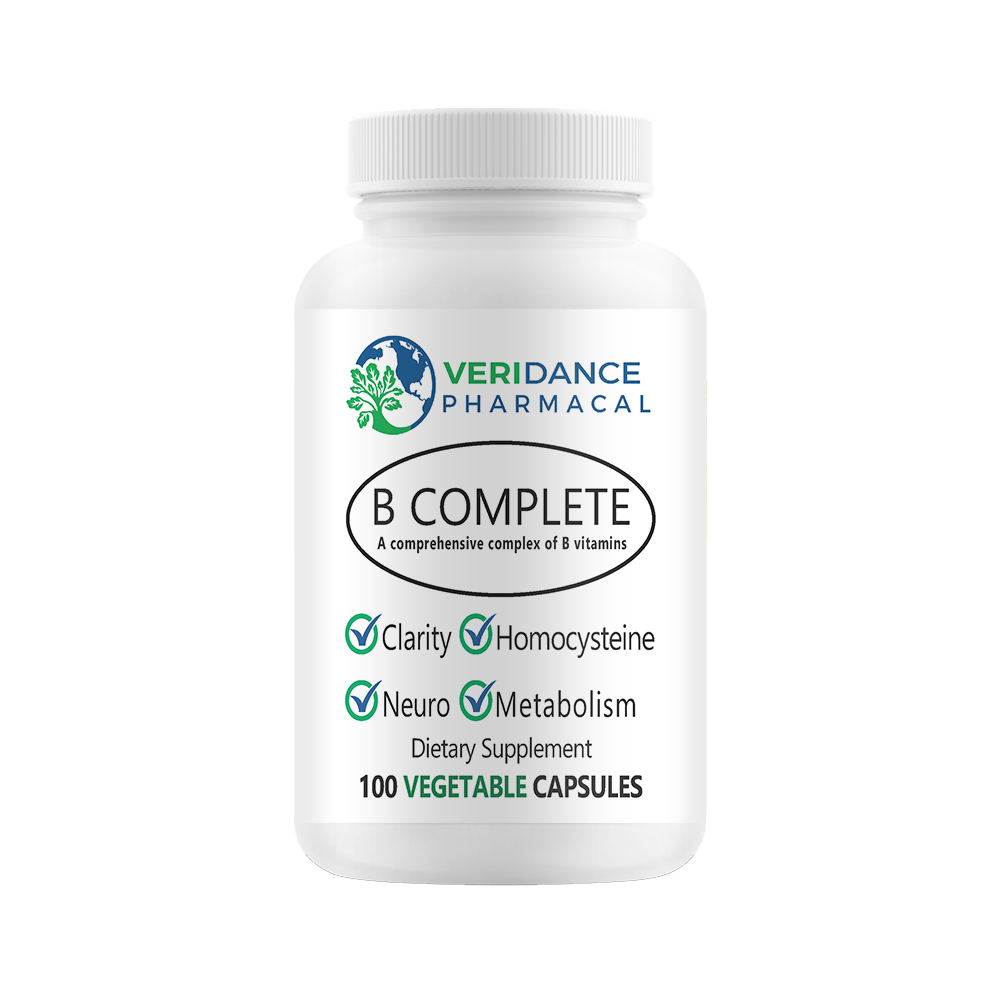
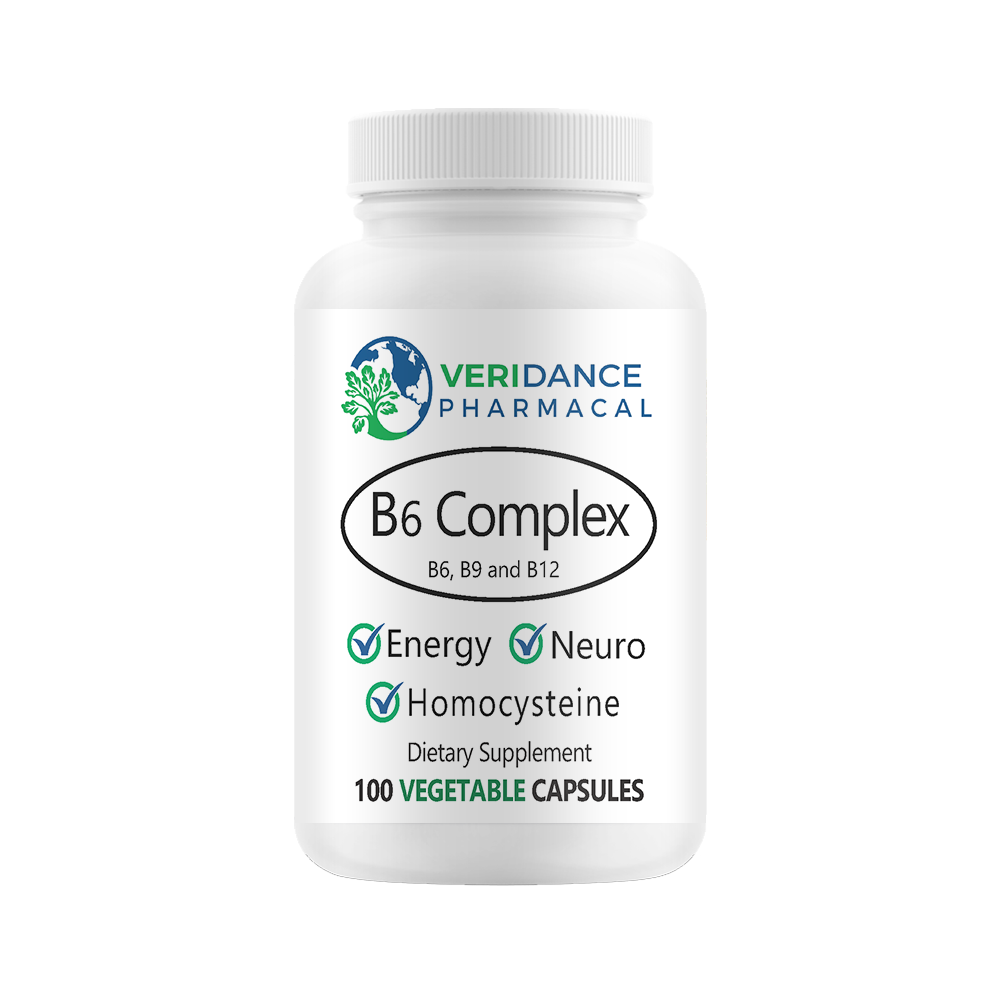
A vitamin B complex can be useful for people who want broad B vitamin coverage, while folic acid is more specific. Anyone who could become pregnant is usually advised to take 400 micrograms of folic acid daily before conception and until the 12th week of pregnancy, unless a clinician advises a different amount. People following vegan diets also need a reliable source of vitamin B12, whether through fortified foods or supplementation.
B vitamins are often easiest to take in the morning with food. Some people find them more comfortable that way, and it keeps the routine connected to an established habit.
Magnesium for everyday balance
Magnesium contributes to normal muscle function, normal functioning of the nervous system and a reduction of tiredness and fatigue. It is found in foods such as nuts, seeds, beans, wholegrains and leafy green vegetables, but intake can vary widely.
Many people prefer to take magnesium in the evening, especially if it forms part of a wind-down routine. There is no universal best time, though. Consistency matters more than the clock. Take it with food if your stomach is sensitive, and follow the product directions carefully. Higher amounts can cause digestive upset in some people.
If you take antibiotics, thyroid medication or certain other medicines, ask a pharmacist about spacing magnesium away from them. Minerals can affect how some medicines are absorbed.
Omega-3 when oily fish is not on the menu
Omega-3 is often selected for heart health support, with EPA and DHA contributing to normal heart function at the relevant daily intake. Oily fish such as salmon, mackerel, sardines and herring are natural dietary sources. If you do not eat fish regularly, an omega-3 supplement may be a convenient alternative to consider.
Take an omega-3 soft capsule with a meal, which can improve comfort and reduce any aftertaste. If you take blood-thinning medication, have a bleeding disorder or are due surgery, seek clinical advice before using an omega-3 product.
Build the habit around meals, not motivation
A good routine should take seconds. Put your chosen supplements beside something you already do every day: your kettle, coffee jar, breakfast bowl or toothbrush. If you take more than one product, a simple weekly organiser can prevent missed doses and accidental doubling up.
Morning works well for a B complex and any supplement you associate with your breakfast. Vitamin D and omega-3 can sit with a meal containing fat. Magnesium may suit the evening if that is easier to remember. But there is no prize for taking supplements at a perfect time. A capsule taken regularly with lunch is generally more useful than one left untouched because your ideal schedule was too complicated.
You can also split your routine if it feels better. For instance, take vitamin D and omega-3 at breakfast, then magnesium after dinner. Start one product at a time where possible. It makes it easier to notice whether it agrees with you and to identify the cause if it does not.
Check strength, format and overlap
The front of a supplement label should make selection clearer, not harder. Look for the nutrient amount per daily serving, the suggested use and any warnings. High-strength products can be appropriate for targeted goals, but more is not always more effective or more suitable.
Check for overlap across multivitamins, individual products, fortified drinks and gummies. Vitamin D, folic acid, vitamin B6 and magnesium are all examples of nutrients that may appear in several products. Combining them without noticing can push your daily intake higher than intended.
Capsule format is also worth considering. Vegetable capsules may suit people avoiding gelatine, while soft capsules are commonly used for oil-based products such as vitamin D3 with K2 and omega-3. Choose a format you can take comfortably and consistently.
Vitamin K2 is sometimes paired with vitamin D3 because both are involved in normal bone health. However, people taking warfarin or other vitamin K-sensitive anticoagulants should not start or change vitamin K supplementation without advice from their anticoagulation clinic or prescriber.
When a routine needs a professional check
Supplements should not mask symptoms that need investigation. Book an appointment with a healthcare professional if fatigue persists, you have unexplained weight changes, ongoing digestive symptoms, frequent numbness or tingling, or concerns about your mood. A blood test may be more useful than guesswork, particularly where iron, vitamin B12, folate or vitamin D deficiency is suspected.
It is also sensible to get advice before giving adult formulations to children, using several high-potency products together, or making major changes to your routine after a diagnosis. Your needs can change with age, diet, medication and life stage.
A daily routine works best when it feels calm and manageable: one thoughtful choice, taken consistently, is a stronger foundation than a crowded shelf of supplements. Start with the need you can clearly identify, give the habit time to settle, and let everyday wellbeing guide the next step.