


A supplement can look straightforward until you compare the front-of-pack strength with the tiny print on the label. Knowing how to assess vitamin dosage helps you choose a product that suits your routine and nutritional goal, without taking more than you need.
The right dose is rarely about finding the highest number. It is about understanding what the number means, how much you already get from food and other supplements, and whether your health circumstances change the picture.
Start with the amount per daily serving
The most useful figure on a vitamin label is the amount provided by the recommended daily serving. This may be one capsule, two capsules or a measured amount of liquid. Do not assume that the amount shown applies to each capsule.
For example, a label may state that a two-capsule serving provides 1,000mg of a nutrient. Taking one capsule would provide 500mg. This sounds simple, but it is one of the easiest details to miss when adding products to a daily routine.
Also check the form of the nutrient. Magnesium citrate, magnesium bisglycinate and magnesium oxide may provide different amounts of elemental magnesium. Vitamin D may be listed in micrograms, while some information uses international units (IU). For vitamin D3, 1 microgram equals 40 IU, so 25 micrograms equals 1,000 IU.
A high-strength supplement is not automatically unsuitable. It can be a convenient option when a specific dose is appropriate for you. The key is to take the stated serving as the starting point, rather than judging a product from a large number on the front label alone.
Compare the label with UK reference values
The UK Nutrient Reference Value (NRV) shown on many labels gives a useful point of comparison. It represents a reference amount for labelling purposes, not a personal prescription or a daily target that every person must reach through supplements.
A product providing 100% of the NRV is designed to cover that reference amount from the supplement itself. A product providing 500% may still be appropriate in some cases, but it deserves a closer look. Ask why you are taking it, how often you will take it and what else is already in your cupboard.
It also helps to distinguish reference values from upper safe levels. An NRV tells you about a standard labelling benchmark. A tolerable upper intake level, where one exists, is the highest total regular intake considered unlikely to pose a risk for most healthy adults. The two numbers serve different purposes.
Vitamin D is a good example. UK public health advice commonly recommends a daily 10 microgram supplement during autumn and winter for many people, and throughout the year for groups at higher risk of low vitamin D. A higher daily dose may be advised by a clinician after a blood test or for a specific reason, but it should not be assumed to suit everyone long term.
Add up every source, not just one bottle
The total matters more than any individual product. Before starting a new vitamin, check your multivitamin, fortified drinks, protein powders, greens powders and any existing single-nutrient supplements.
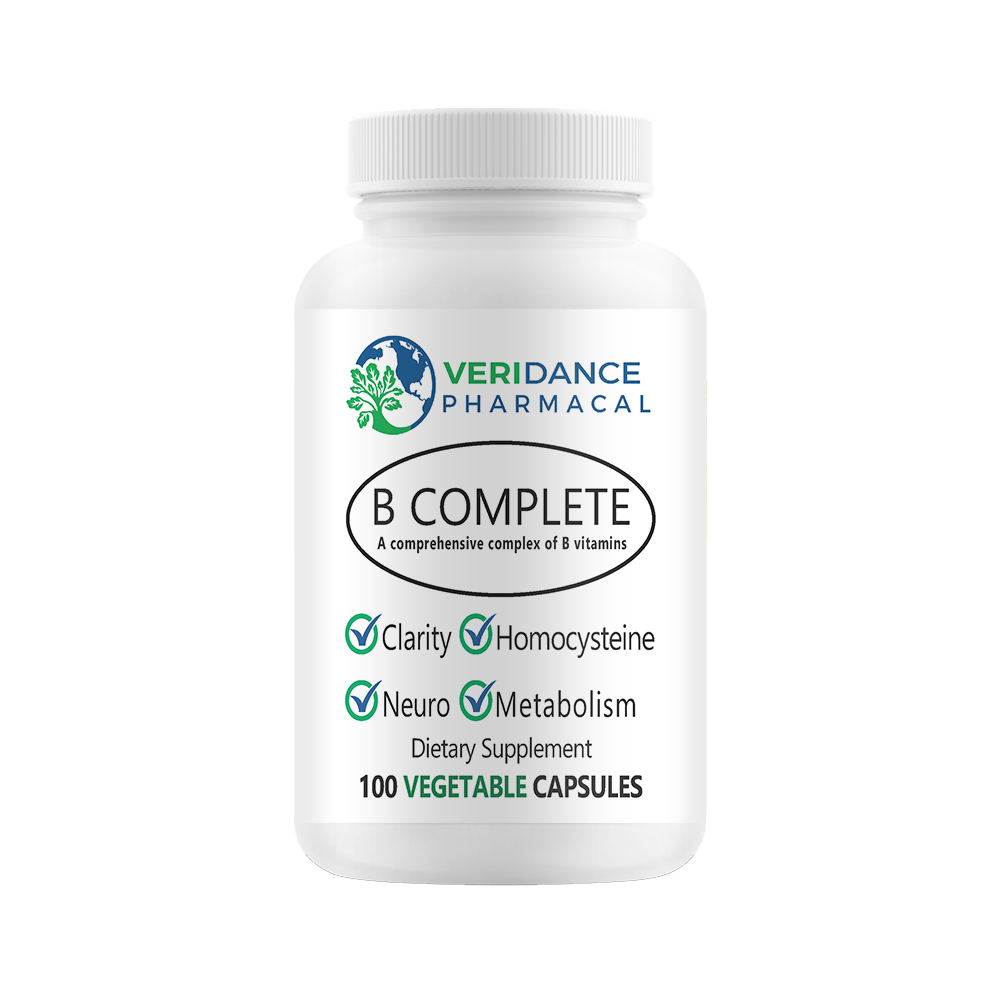
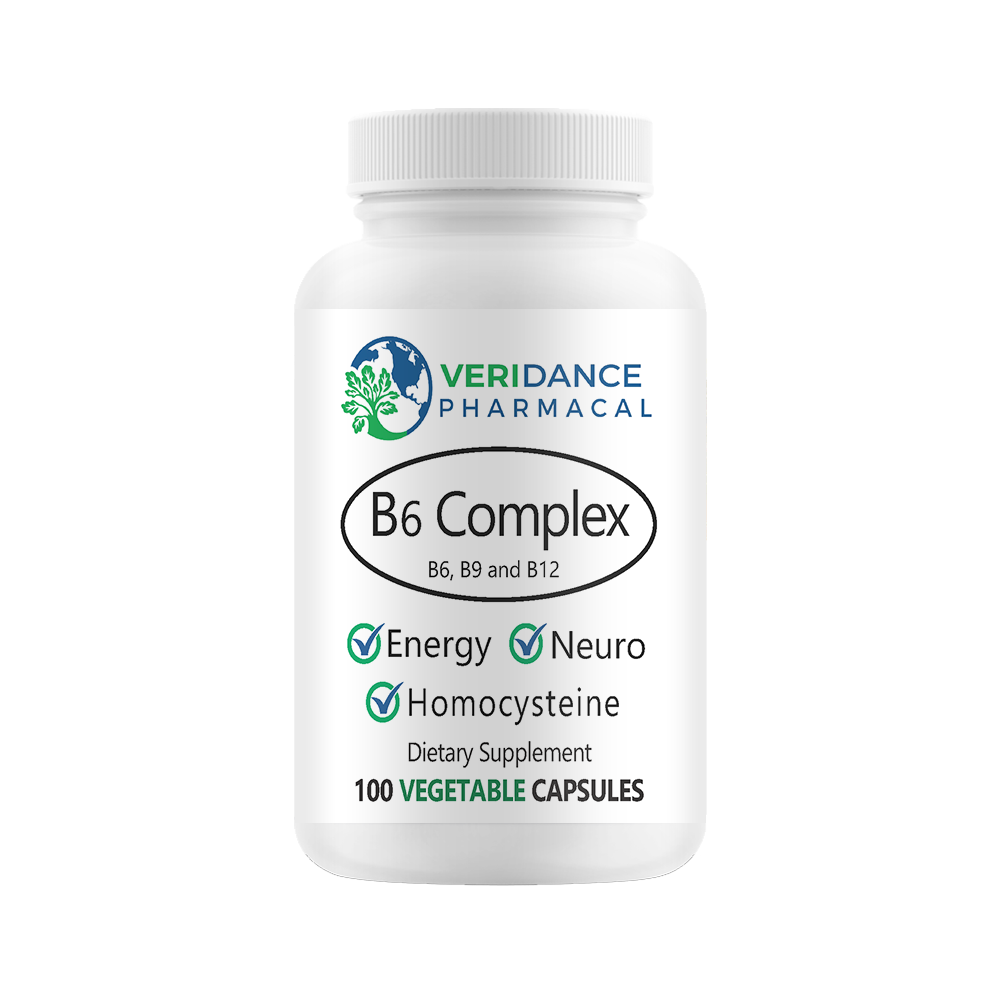
Overlaps are particularly common with vitamin D, vitamin B6, folic acid, magnesium and zinc. A B complex may already contain a meaningful dose of B6 and folic acid, while a multivitamin adds more. Separately, a vitamin D3 and K2 product may sit alongside a multivitamin that also contains vitamin D.
Food intake counts too, although it does not need to be calculated perfectly. A varied diet may provide substantial amounts of nutrients such as folate, vitamin C and several B vitamins. Some nutrients are harder to obtain reliably in sufficient amounts from food alone for particular people or seasons, which is why targeted supplementation can make practical sense.
Think in terms of a typical week, rather than one especially healthy day. If your diet changes regularly, your supplement routine should be simple enough to remain consistent without becoming excessive.
Match the dosage to a clear purpose
A useful supplement choice starts with a specific reason. “General support” can be valid, but it is worth being more precise. You may be choosing vitamin D because you spend limited time outdoors, a B complex for dietary support during a demanding period, or folic acid because you are trying for a baby.
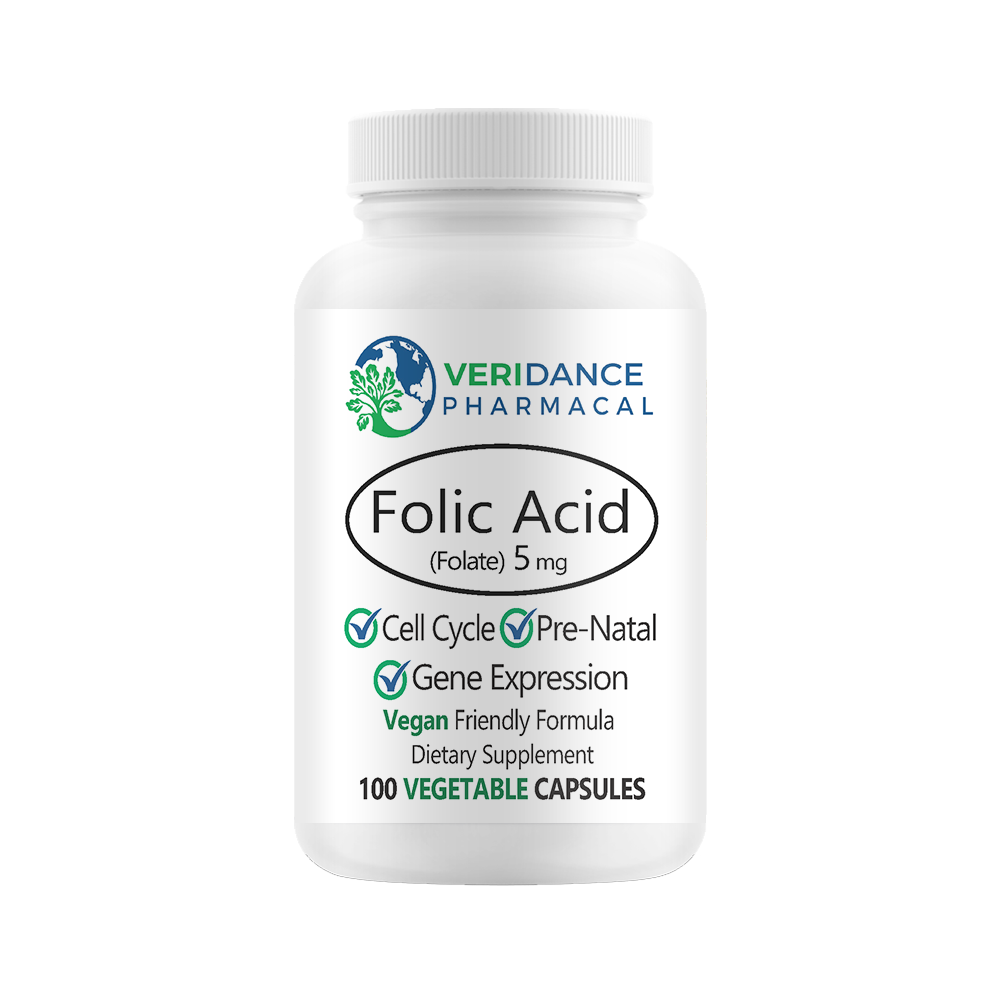
This matters because the appropriate dosage can depend on the goal. Folic acid is a clear example: people who could become pregnant are generally advised to take 400 micrograms daily before conception and until the 12th week of pregnancy. Some people need a higher dose under medical supervision, including those with certain health conditions or medicines.
For everyday use, avoid treating more as better. Higher potencies can offer convenience, but they also leave less room for duplication and may not be necessary for a long-term routine. If your goal is broad nutritional cover, a modest dose may be enough. If you have a confirmed deficiency, follow the plan given by your GP, pharmacist or registered dietitian.
Check the details that can change what is suitable
Age, diet, pregnancy, health conditions and medicines can all affect how to assess vitamin dosage safely. This is where a standard product label cannot replace individual advice.
Speak to a pharmacist, GP or qualified healthcare professional before supplementing at higher doses if you are pregnant or breastfeeding, have kidney or liver disease, have a condition affecting nutrient absorption, or are managing a long-term health condition. The same applies if you take prescribed medicines.
A few combinations need particular care. Vitamin K should be discussed with a healthcare professional if you take anticoagulant medicines such as warfarin. Magnesium may need to be taken at a different time from some medicines, including certain antibiotics and thyroid treatments, because it can affect absorption. High-dose vitamin A is not suitable in pregnancy unless specifically advised by a clinician.
Symptoms are not a reliable way to diagnose a deficiency. Tiredness, low mood, muscle aches and poor concentration can have many causes. If symptoms are persistent, severe or new, arrange a medical assessment rather than repeatedly increasing supplement doses.
Use the label as a safety checklist
Before buying or taking a supplement, read beyond the marketing claims. A quality label should make it easy to identify the nutrient form, quantity per serving, recommended use and any cautions.
Use this quick check before making it part of your routine:
- Is the listed amount per capsule or per daily serving?
- What percentage of the NRV does it provide?
- Does another product you take contain the same nutrient?
- Is there a reason this dose suits your current goal?
- Are there label warnings, medical conditions or medicines to consider?
Review your routine instead of adding endlessly
A good supplement routine should be easy to explain. You should know what each product is for, how much you take and whether it still fits your needs. If you cannot remember why a bottle is in the cupboard, it may be time to pause and reassess.
Review your choices after a few months, or sooner if your diet, medication, pregnancy plans or health changes. Seasonal vitamin D needs may differ from your approach in summer, while a short-term period of dietary restriction may call for a different plan from your usual routine.
For many adults, the most sensible approach is targeted and consistent: choose a clearly labelled product, take the recommended serving, avoid unnecessary overlap and seek professional advice when your situation is less straightforward. GreenVits products are designed to make those daily choices clearer, with focused nutrient formulations and transparent potency information.
The best dosage is not the one with the biggest number on the label. It is the dose you understand, genuinely need and can take confidently as part of everyday health support.