
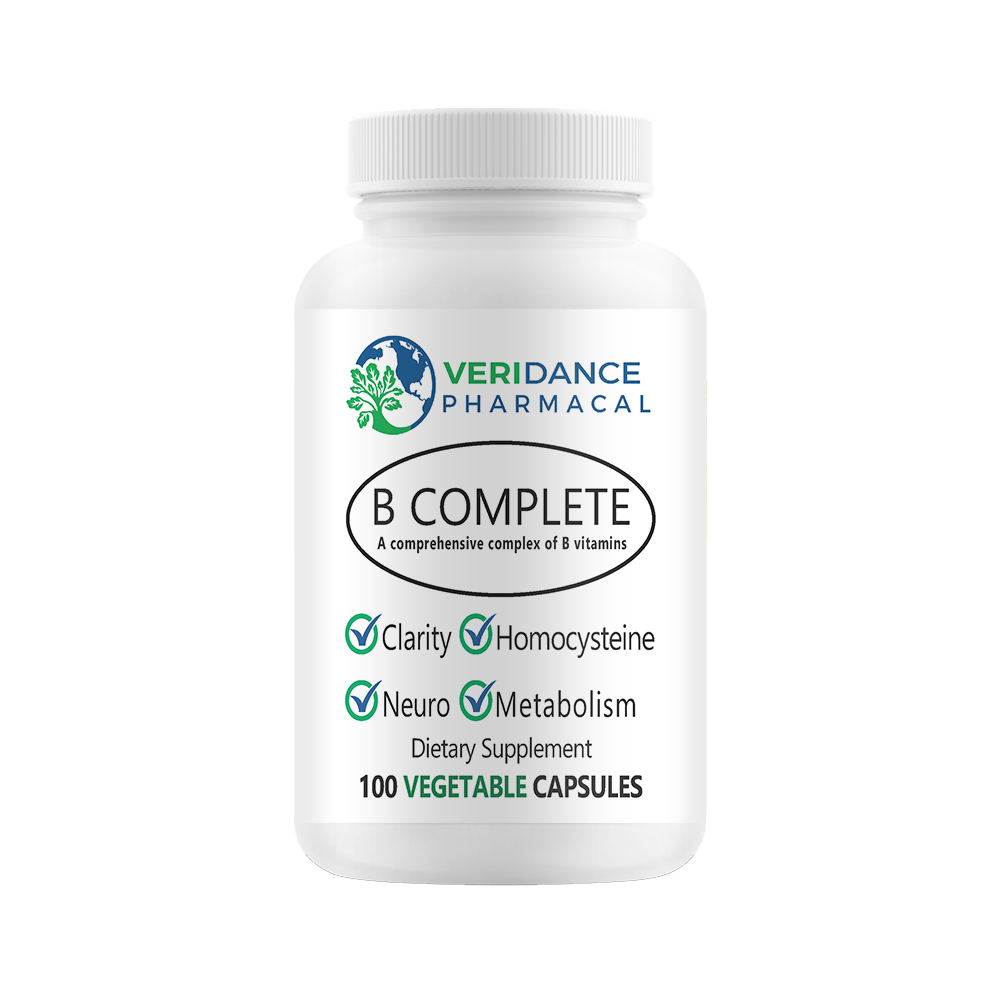
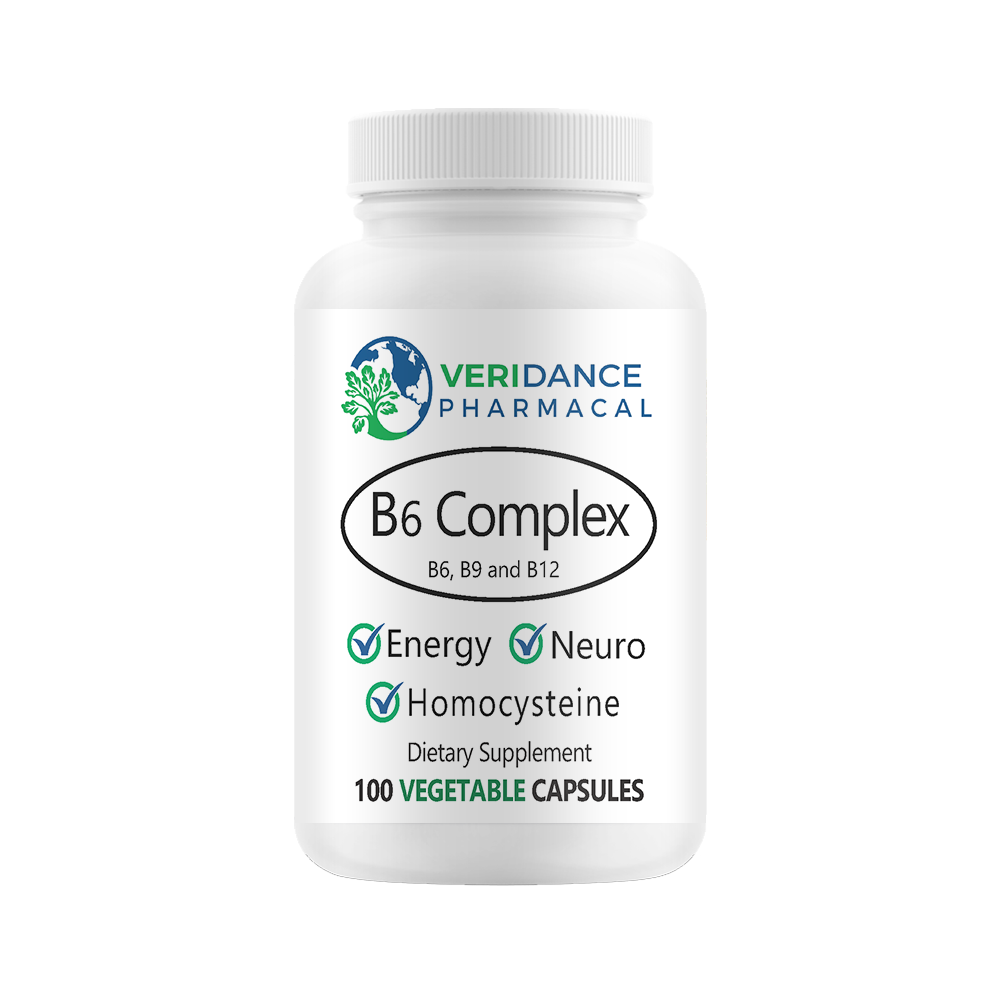



A B vitamin capsule is easy to take, but the time you take it can affect how comfortably it fits into your day. If you are wondering how to time B vitamins, the simplest starting point is usually this: take them consistently, preferably with your first proper meal of the day.
B vitamins are involved in normal energy-yielding metabolism, psychological function and the reduction of tiredness and fatigue where specific nutrients support these claims. They do not work like a quick stimulant, however. Their value comes from helping your body maintain essential processes over time, so a routine you can stick to matters more than chasing the perfect minute.
The best time to take a B vitamin complex
For most people, morning or lunchtime is the most practical time to take a B complex. Taking it with breakfast is particularly convenient, as it becomes part of an established habit alongside food, tea or coffee, and getting ready for the day.
Some people find that higher-strength B vitamins make them feel more alert. This is not universal, but it is a sensible reason to avoid taking a B complex late in the evening, especially if you are sensitive to anything that may interfere with winding down. A morning dose gives you plenty of time to see how it suits you.
Taking your capsule with a meal can also be kinder to your stomach. Although B vitamins are water-soluble and do not require a fatty meal in the way that vitamins D or K do, food may reduce nausea or queasiness for people who feel uncomfortable taking supplements on an empty stomach.
If breakfast is rushed or you regularly skip it, take your B vitamins with lunch instead. The best timing is the one you will remember every day.
Should you take B vitamins with food or on an empty stomach?
Both approaches can work, but with food is the better default for everyday use. A meal is especially helpful when taking a complete B complex, as formulas often contain several nutrients at substantial levels.
Taking a B vitamin on an empty stomach may suit some people, particularly those using a single nutrient such as vitamin B12. Yet there is little benefit in forcing this approach if it makes you feel sick or causes discomfort. Consistency and tolerance come first.
Try taking your supplement with breakfast for one to two weeks. If you are perfectly comfortable and your routine is working, there is no need to change it. If you notice nausea, move it to a larger meal. If lunchtime feels too late for you, return to breakfast and ensure you have at least a small amount of food first.
Why bright yellow urine can happen
A bright yellow colour after taking a B complex is common, particularly with riboflavin, also known as vitamin B2. It is usually harmless and simply reflects the way the body handles excess water-soluble vitamins. It does not mean the supplement is not being used, nor does it mean you need to drink excessive amounts of water.
How to time individual B vitamins
A complete B complex is often chosen for broad daily nutritional support, but individual B vitamins can have slightly different practical considerations.
Vitamin B12
Vitamin B12 is commonly taken in the morning, with or without food. People choose it for support with normal energy metabolism, the nervous system and the reduction of tiredness and fatigue. If you take B12 as part of a daily routine, breakfast is an easy choice.
Absorption of B12 can be affected by certain medicines and health conditions. For example, people taking metformin or long-term acid-suppressing medicines may be more likely to have low B12 levels. In these cases, timing alone is not the answer. Speak with a pharmacist, GP or other qualified healthcare professional about whether testing or a tailored dose is appropriate.
Folic acid and folate
Folic acid can generally be taken at any time of day, with or without food. For anyone trying to conceive or in the early stages of pregnancy, the important point is taking the recommended daily amount consistently and following NHS or clinician guidance.
Do not self-treat ongoing tiredness with folic acid alone. High folic acid intake can mask signs of vitamin B12 deficiency while nerve damage caused by B12 deficiency continues. If you have persistent fatigue, tingling, numbness, balance issues or a sore tongue, seek medical advice rather than simply increasing your supplement dose.
Vitamin B6
Vitamin B6 contributes to normal psychological function, nervous system function and the reduction of tiredness and fatigue. It is usually best taken with a meal as part of a B complex or a targeted supplement.
Avoid taking more than the labelled dose. Long-term high intakes of vitamin B6 can cause nerve-related side effects, including tingling or numbness. Check whether your multivitamin, B complex, magnesium product or other supplements already contain B6 before combining products.
When is it worth separating B vitamins from other supplements?
Most people do not need a complicated timetable. B vitamins can usually be taken alongside common daily supplements such as vitamin D3 with K2 or omega-3, especially when taken with breakfast or lunch.
There are a few situations where a little more care is useful. If you take several supplements and one causes stomach upset, separate them over different meals so you can identify what suits you. If your routine includes an iron supplement, taking it separately may make it easier to manage stomach comfort and follow any instructions provided with your product or from your clinician.
Magnesium is often taken later in the day because some people find it suits their evening routine. That does not mean it cannot be taken with B vitamins, but separating the two can simplify your routine if you prefer B vitamins in the morning and magnesium after dinner.
The main exception is prescribed medication. Medicines can have specific instructions about food, timing and interactions. Do not assume that a natural supplement is automatically compatible with your prescription.
A simple routine for how to time B vitamins
For a straightforward daily plan, take your B complex or individual B vitamin with breakfast and a glass of water. Keep the bottle somewhere you will see it, such as beside your tea, coffee or breakfast bowl. If breakfast is inconsistent, move it to lunch rather than skipping doses.
If you take medication first thing, check its instructions before adding supplements to that time slot. Some medicines need to be taken on an empty stomach or away from other products. A pharmacist can help you organise a schedule that is safe and realistic.
Avoid doubling up if you forget a dose. Take your next dose at the usual time unless a healthcare professional has told you otherwise. Supplements work best as part of steady habits, alongside varied food, adequate sleep and regular movement.
Signs your timing may need adjusting
The right routine should feel uncomplicated. Consider changing the timing if you regularly feel nauseous after taking your supplement, notice it affects your sleep, or simply keep forgetting it. Moving from an empty stomach to a meal is often enough to resolve discomfort.
It is also worth reviewing the product itself. A high-potency B complex may not be necessary for everyone, particularly if you already use a multivitamin or several fortified foods. Read the label, add up overlapping nutrients and choose a dose that matches your reason for supplementing.
For most adults, B vitamins are easiest to manage when they are taken in the morning with food and used consistently. Start there, pay attention to how you feel, and let a simple routine support the healthier habits you are already building.