


A run of grey winter mornings, a crowded commute and too little sleep can make immune health feel more pressing. The best vitamins for immunity are not a shortcut around rest, nourishing food or good hygiene, but they can help cover genuine nutritional gaps and support the normal function of your immune system.
For most adults, the sensible approach is targeted rather than taking every supplement on the shelf. Vitamin D is often the starting point in the UK, while vitamin C, vitamin B6, folate, vitamin B12 and zinc also have recognised roles in normal immune function. The right choice depends on your diet, lifestyle, season and any advice from a healthcare professional.
What supports a healthy immune system?
Your immune system is not one switch that can simply be turned up. It is a network of cells, tissues and protective responses that needs the right nutrients, alongside regular sleep, movement, enough protein and a varied diet.
That is why a high-dose supplement cannot guarantee that you will avoid every cold or seasonal bug. What it can do is provide nutrients your body needs to work normally, especially where intake is low. Consistency matters more than chasing a quick fix after you start feeling unwell.
The best vitamins for immunity
Vitamin D: a practical priority in the UK
Vitamin D contributes to the normal function of the immune system. Our bodies can make it when skin is exposed to sunlight, but from autumn to spring, the UK sun is generally not strong enough for reliable vitamin D production. Time indoors, covering the skin, darker skin tones and a diet low in oily fish or fortified foods can make low levels more likely.
UK public health guidance advises that everyone should consider taking a daily supplement containing 10 micrograms of vitamin D during autumn and winter. Some people may benefit from taking it throughout the year, including those who rarely go outdoors or who cover most of their skin outside.
Vitamin D3 is a commonly chosen form. A Vitamin D3 with K2 supplement can be a convenient option for people also focused on bone-related nutritional support, as vitamin D contributes to normal calcium absorption and K2 contributes to normal blood clotting and maintenance of normal bones. However, K2 is not required for vitamin D to support normal immune function.
Avoid assuming that more is better. High doses may be appropriate in specific circumstances, but should be taken on the advice of a clinician, particularly if you have a medical condition or take prescribed medicines.
Vitamin C: useful support, not a miracle cure
Vitamin C contributes to normal immune function and also helps protect cells from oxidative stress. It is readily available in peppers, berries, citrus fruit, broccoli and potatoes, but intake can suffer when meals are rushed or fruit and vegetables are inconsistent.
A vitamin C supplement may be a practical addition if your diet regularly falls short. It is not a substitute for eating plants in a range of colours, which provide fibre and other beneficial compounds alongside vitamin C.
Very large doses are not necessarily more helpful and can cause stomach discomfort or diarrhoea. For daily use, choose a sensible dose and check the label rather than treating vitamin C as an emergency response to every sniffle.
Vitamin B6, B12 and folate: immune support with wider benefits
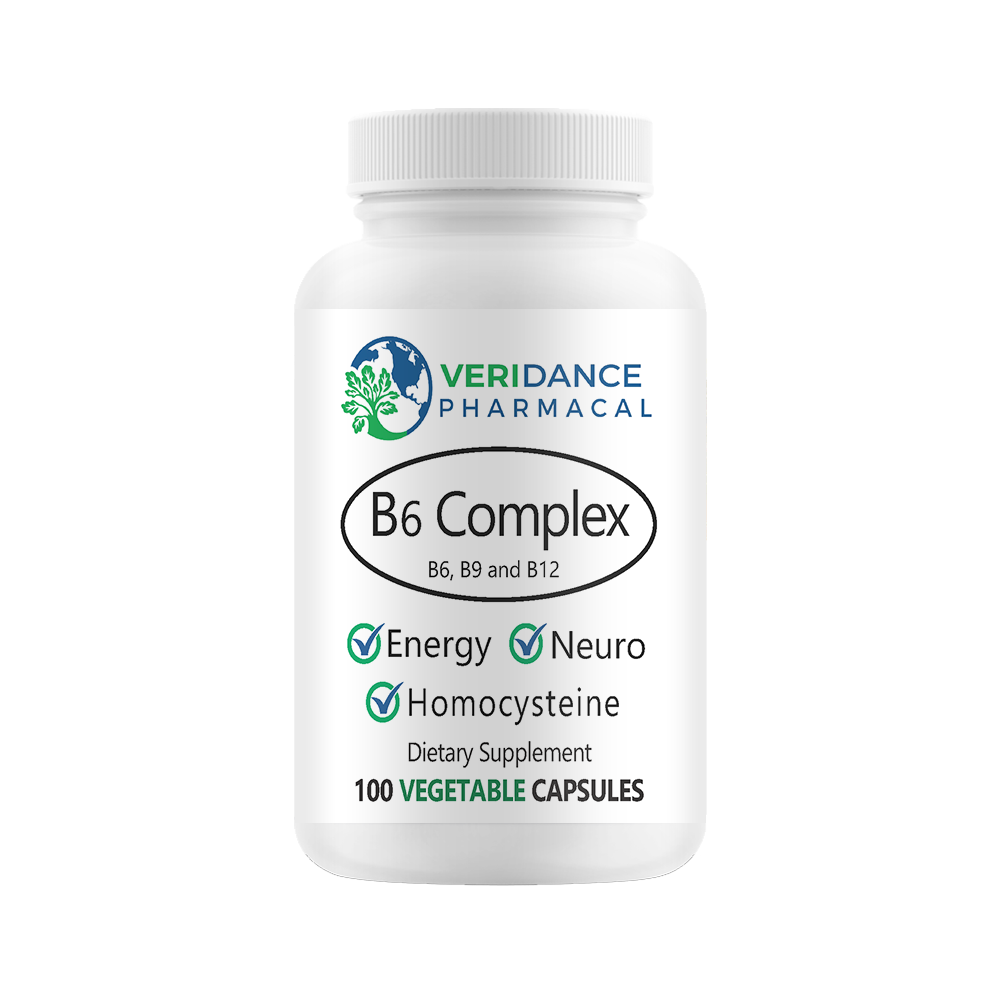
Vitamin B6, vitamin B12 and folate each contribute to the normal function of the immune system. They also play different roles in normal energy-yielding metabolism, psychological function or the reduction of tiredness and fatigue, depending on the nutrient.
This makes them relevant for busy adults who want to support overall nutritional wellbeing, not only immunity. Vitamin B12 deserves particular attention for people following a vegan diet, as reliable dietary sources are limited. Older adults and people taking certain medicines may also be advised to monitor B12 with their healthcare professional.
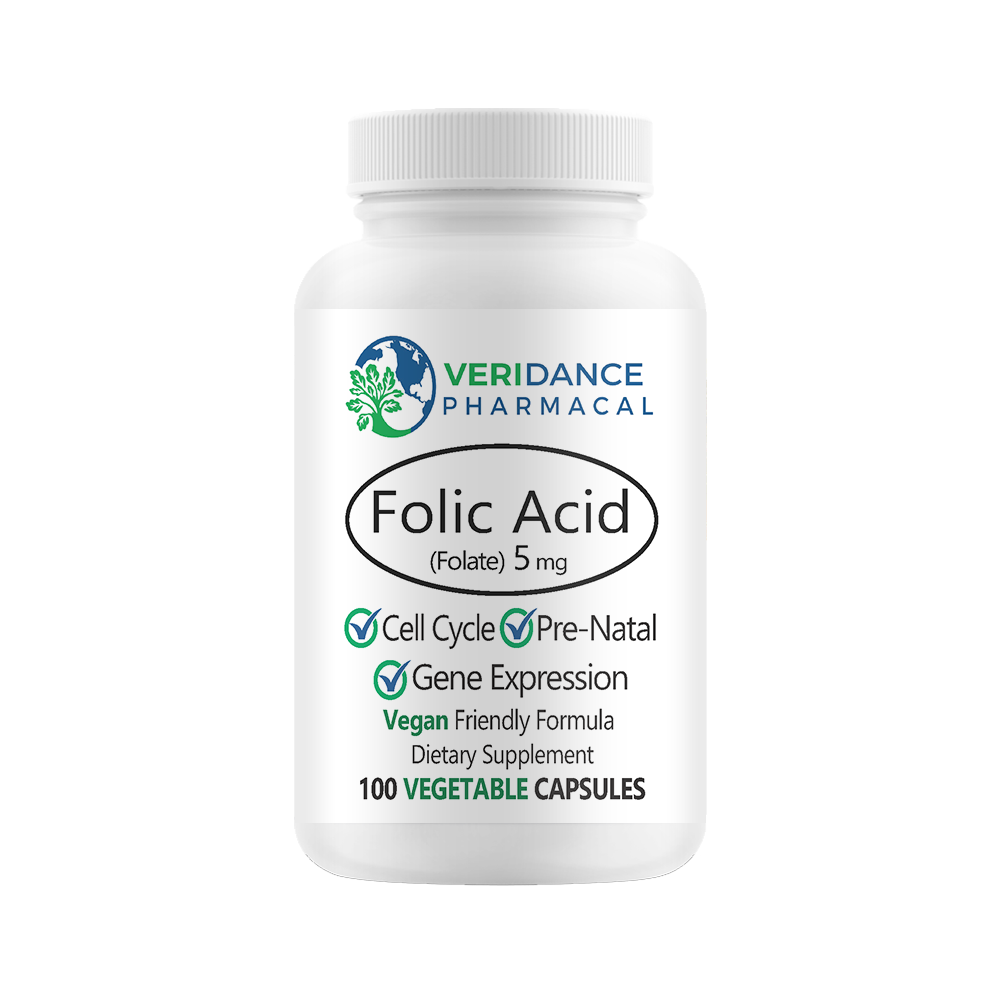
Folate is found in leafy green vegetables, beans and fortified foods. Anyone trying for a baby or who could become pregnant should follow official guidance on folic acid supplementation. This is a specific health recommendation, so it should not be replaced by general wellness advice.
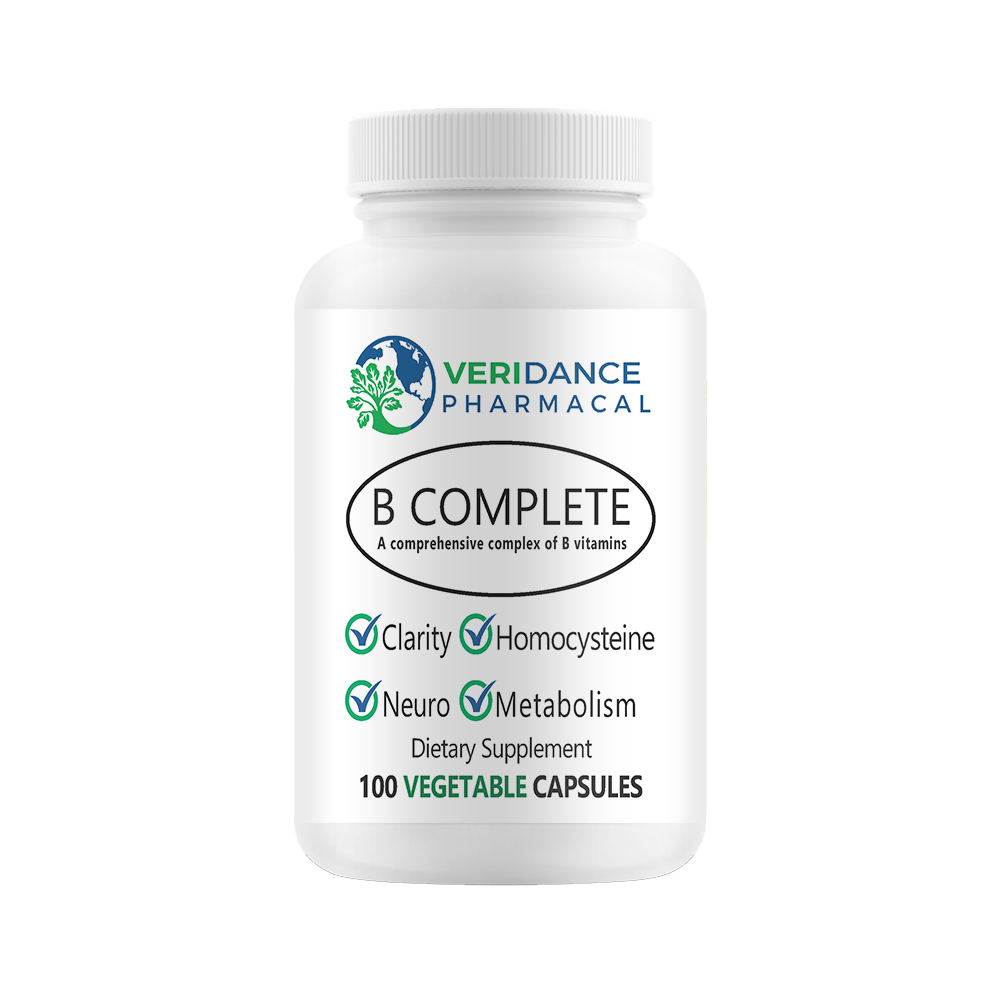
A well-formulated B complex can offer a straightforward way to supplement several B vitamins. It is still worth checking the amounts provided, especially if you already take a multivitamin or fortified products. More than one product can unintentionally add up.
Zinc: a mineral worth considering
Zinc is not a vitamin, but it belongs in any useful conversation about immunity because it contributes to the normal function of the immune system. It also contributes to the protection of cells from oxidative stress and to normal skin, hair and nails.
Zinc is present in meat, shellfish, dairy foods, beans, nuts and seeds. Plant-based diets can provide zinc, though absorption may vary. A supplement can be helpful where diet is restricted or intake is uncertain, but high-dose zinc over a long period is not a casual choice. It may interfere with copper balance and interact with some medicines.
How to choose an immune support supplement
Start with the nutrient most likely to match your needs. For many UK adults, that may be vitamin D during the colder, darker months. If your diet excludes animal products, B12 may need particular consideration. If you eat very few fruit and vegetables, vitamin C may be useful alongside improving your meals.
Look for clear labelling that states the nutrient, amount per serving and capsule format. A targeted product can make it easier to understand exactly what you are taking than a broad formula with many small additions. Vegetable capsules may suit those who prefer a plant-based capsule option, while soft capsules are often convenient for fat-soluble nutrients such as vitamin D.
Check for duplication before combining supplements. For example, a multivitamin, a B complex and a separate vitamin D product may all contribute overlapping nutrients. Keep a simple note of what you take each day, particularly if you use several products.
Quality also matters. Choose products from a retailer that gives clear product information, uses appropriate packaging and makes serving guidance easy to find. Supplements should be stored as directed and kept out of the reach of children.
When to ask for professional advice
Supplements are widely used, but they are not right for every situation. Speak to a pharmacist, GP or registered dietitian before starting a new product if you are pregnant or breastfeeding, have a long-term health condition, take prescription medication, or have been advised to manage a nutrient deficiency.
This is especially relevant for vitamin D, zinc and folic acid at higher strengths. If you feel persistently tired, frequently unwell or notice unexplained symptoms, do not rely on supplements alone. A healthcare professional can help identify whether testing or treatment is needed.
Make the basics work alongside your supplement
A daily capsule works best as part of ordinary routines that support your health. Aim for varied meals with protein, wholegrains, fruit and vegetables, and include oily fish, eggs, dairy or fortified alternatives where suitable. Regular sleep and stress management matter too, because prolonged pressure and poor rest can affect how well you feel day to day.
Taking a supplement at the same time each day can make it easier to remember. Vitamin D is commonly taken with a meal containing some fat, while following the label instructions helps you get the intended serving.
The most useful choice is usually the one that fills a real gap and fits your routine consistently. Start with the basics, choose targeted nutrients with a clear purpose, and give your body the steady support it needs rather than looking for a one-capsule cure.