
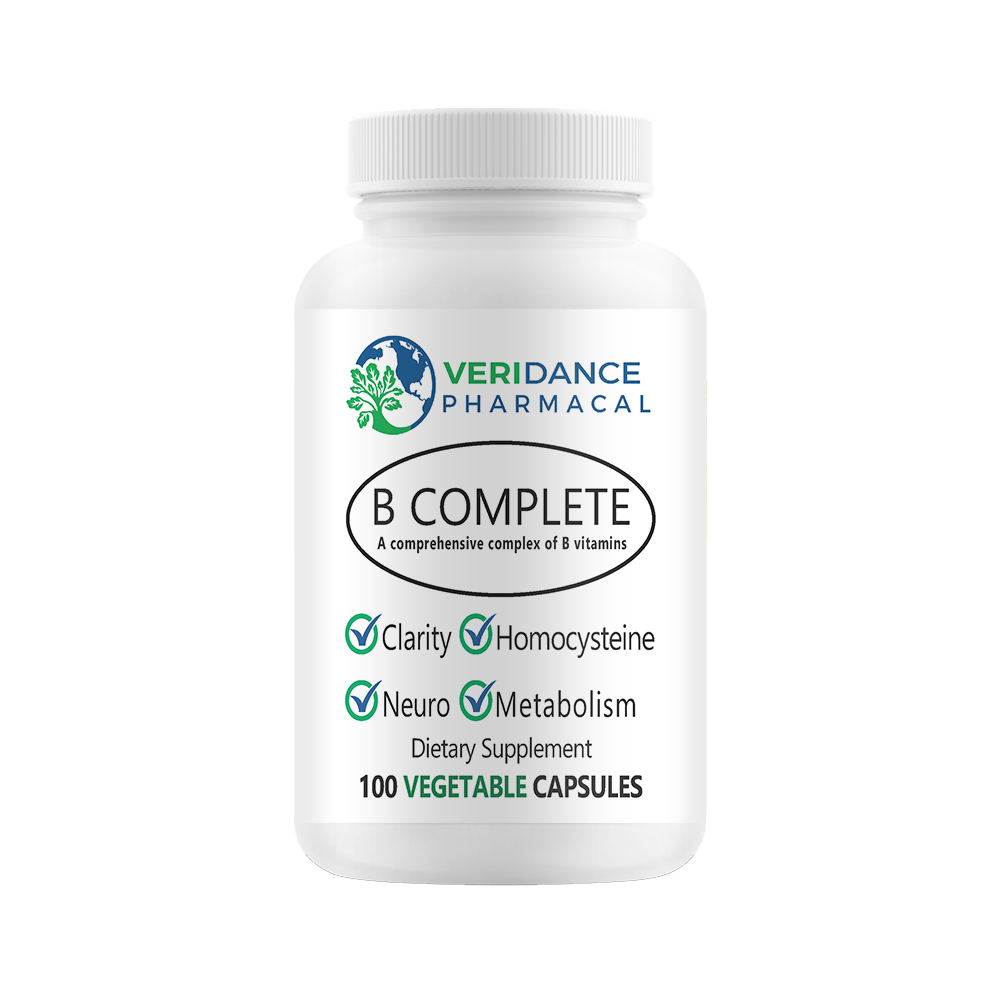
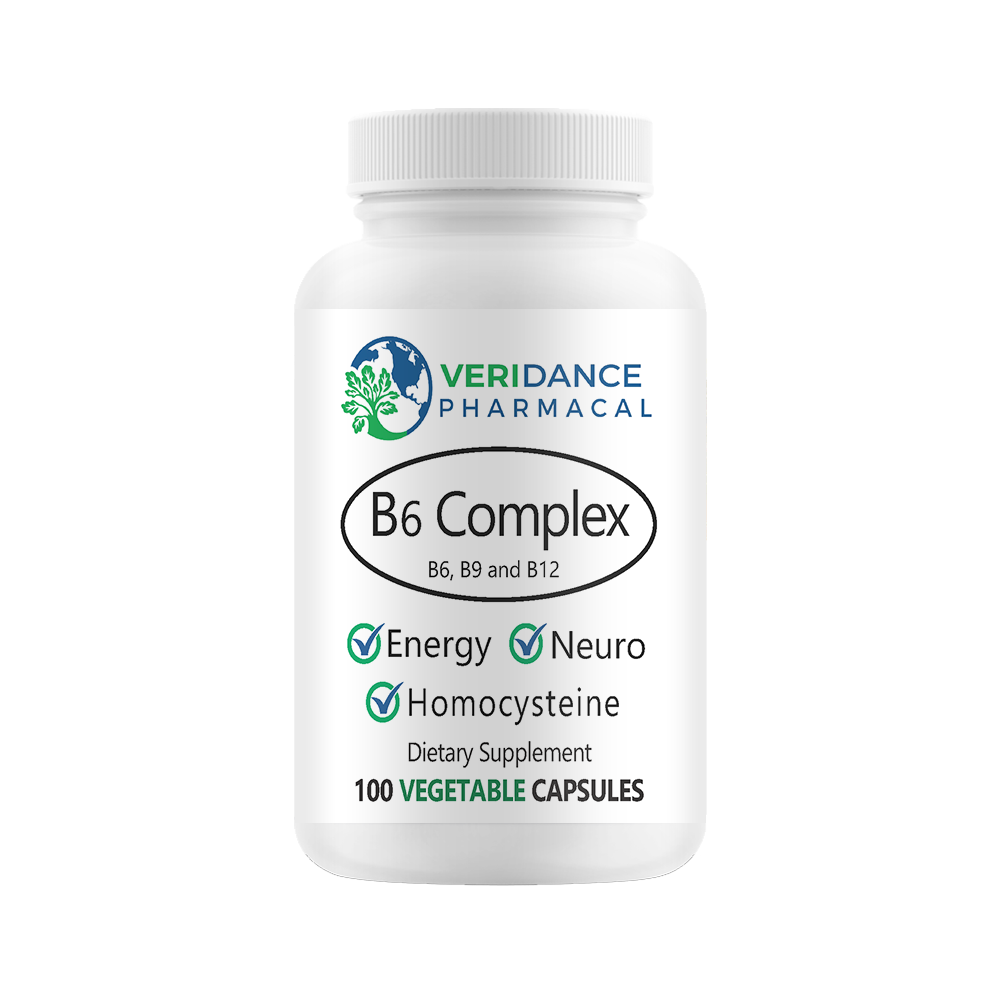
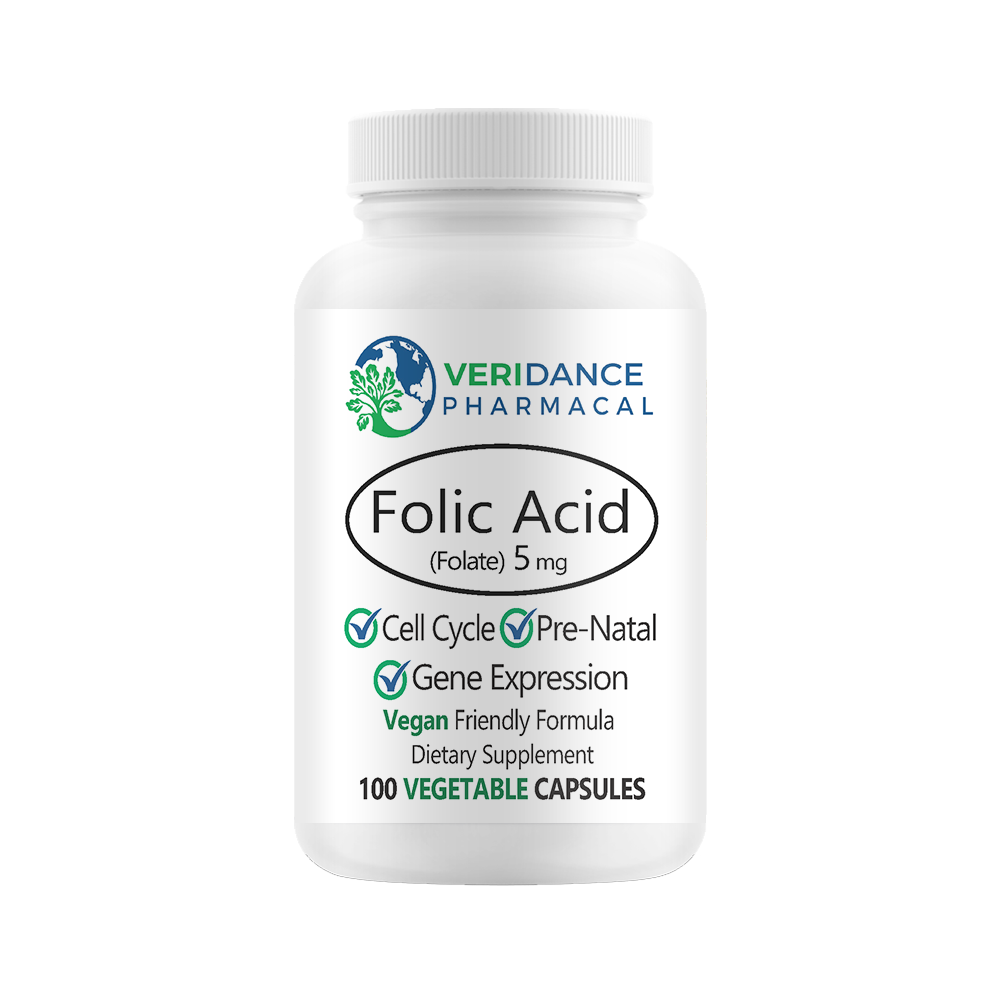


A vitamin dosage calculator can make supplement shopping feel far less like guesswork. Rather than choosing the highest number on the label, it helps you compare what you already get from food, fortified products and other supplements against a sensible daily amount.
That matters because more is not always better. A daily Vitamin D3 supplement may be a practical choice through autumn and winter in the UK, while doubling up on several high-strength products could take your intake beyond what you need. The useful question is not simply, “How much vitamin should I take?” It is, “How much am I getting in total, and is this amount right for me?”
What a vitamin dosage calculator should help you check
A good calculator starts with the nutrient, not the product. Select the vitamin you are considering, enter the strength per capsule or tablet, and add every regular source you use. This includes multivitamins, individual vitamin products, gummies, powders, fortified drinks and prescribed supplements.
It should then compare your daily total with a recognised reference value. On UK food labels, this is usually the Nutrient Reference Value, or NRV. It is designed as a simple labelling benchmark for healthy adults. The Reference Nutrient Intake, or RNI, is a separate dietary recommendation used in UK nutrition guidance. They can differ, so seeing 100% NRV on a label does not always mean it is the exact amount recommended for every person.
Your age, diet, life stage and health needs also matter. A vegan or someone who eats very little animal produce may need to pay closer attention to Vitamin B12. People who are pregnant, planning pregnancy or could become pregnant have specific folic acid advice. Someone taking a prescribed medicine may need professional guidance before adding Vitamin K2, high-dose Vitamin D or other nutrients.
A calculator is therefore a useful starting point, not a diagnosis or a replacement for medical advice.
How to use a vitamin dosage calculator properly
Start by looking at the supplement facts panel, not the front-of-pack claims. Record the amount of each nutrient per daily serving and the serving size. If a product provides 1,000 IU of Vitamin D3, that is 25 micrograms, written as 25 µg. Checking units is essential because vitamin labels may use micrograms, milligrams or international units.
Next, add products together. For example, a multivitamin with 10 µg of Vitamin D plus a standalone Vitamin D3 product containing 25 µg gives a total supplemental intake of 35 µg per day. It may still be within a suitable range for many adults, but it is a different decision from taking either product alone.
Then consider your routine honestly. A dosage only works if you will take it consistently. A convenient once-daily vegetable capsule is often more useful than a complicated plan that gets abandoned after a fortnight. If you take supplements only occasionally, calculate your average weekly intake as well as the amount on the days you take them.
Finally, compare your result with both the product directions and relevant UK guidance. Do not exceed the stated dose unless a clinician has advised you to do so. High potency can be appropriate for a targeted need, but it should have a clear reason behind it.
Check the units before you compare
The most common calculator error is comparing numbers without comparing units. One milligram equals 1,000 micrograms. That means 400 µg of folic acid is 0.4 mg, while 1 mg is 1,000 µg.
Vitamin D can be especially confusing. The conversion is straightforward: 1 µg of Vitamin D equals 40 IU. A 10 µg daily supplement provides 400 IU, and a 25 µg supplement provides 1,000 IU. If two labels use different units, convert one before adding them together.
Everyday examples for common vitamins
Vitamin D is one of the most searched-for nutrients in the UK, and for good reason. UK guidance advises adults and children aged one year and over to consider a daily 10 µg Vitamin D supplement during autumn and winter. Some people may be advised to take it throughout the year, including those who spend little time outdoors, cover most of their skin outside, or have darker skin. Adults should not routinely exceed 100 µg a day from supplements without professional advice.
Folic acid has a very specific role. If you are trying for a baby or could become pregnant, the usual recommendation is 400 µg daily from before conception until the 12th week of pregnancy. Some people need a higher prescribed dose, so this is not a situation for self-calculating upwards. As a general precaution, avoid taking more than 1,000 µg of folic acid from supplements each day unless a healthcare professional has recommended it.
Vitamin B12 is found naturally in animal-derived foods, which makes intake worth reviewing for vegans and some vegetarians. It is also relevant for older adults and people with conditions or medicines that affect absorption. Vitamin B12 supplements are generally measured in micrograms and can look high compared with the NRV. That does not automatically mean they are unsuitable, but the right dose depends on your diet, absorption and whether a deficiency has been identified.
Magnesium is a mineral rather than a vitamin, but it often appears in the same daily routine and deserves the same total-intake check. The amount on a label can refer to the magnesium compound or to elemental magnesium, which is the useful figure to compare. Higher supplemental intakes may cause loose stools or stomach discomfort. If this happens, reducing the dose, splitting it, or taking it with food may help.
When a calculator is not enough
A vitamin dosage calculator cannot account for a diagnosed deficiency, blood test results, kidney or liver disease, or how your body absorbs nutrients. It also cannot assess interactions with medicines.
Speak to a pharmacist, GP, midwife or registered dietitian before choosing a dose if you are pregnant or breastfeeding, have a long-term condition, or take regular medication. This is particularly relevant for Vitamin K, which can interact with anticoagulant medicines such as warfarin. Vitamin A supplements containing retinol also need care in pregnancy, and people with liver conditions should seek advice before taking them.
Be cautious if you notice symptoms that could suggest a deficiency, such as unusual tiredness, pins and needles, persistent mouth ulcers or bone pain. Supplements can support nutritional intake, but they should not delay assessment when something feels wrong. A blood test and professional advice can identify the cause and the right treatment far more reliably than a calculator.
Choose a dose that suits your actual routine
The best supplement plan is usually focused. Instead of collecting several products with overlapping ingredients, choose the nutrients that match a genuine dietary gap or health goal. Check the label each time you add a new product, especially if you already use a multivitamin.
For example, someone taking a dedicated Vitamin D3 with K2 product for bone-related nutrient support may not need another high-dose Vitamin D product alongside it. Someone using a Vitamin B complex for energy support should check the amounts of B6, folic acid and B12 before adding separate versions of those nutrients.
Quality and clarity make this easier. GreenVits keeps its range focused on straightforward, high-potency formulas, so you can see the nutrient, strength and intended support without working through an unnecessarily crowded blend. The right choice is still personal, but a clear label makes a sensible calculation possible.
A calculator should leave you feeling more confident, not encourage you to chase the biggest dose. Check your total, follow the label, and give your body the steady nutritional support it needs.