

If you have ever compared supplement labels and wondered about vitamin d3 vs k2, you are not alone. Many people know vitamin D is linked to bones and immunity, but feel less clear on where K2 fits in, or whether taking both is worth it. The short answer is that they do different jobs, and for many adults they make more sense together than as an either-or choice.
Vitamin D3 vs K2: what is the difference?
Vitamin D3 helps your body absorb calcium from food. That matters because without enough vitamin D, even a calcium-rich diet cannot be used as efficiently as it should be. D3 is the form of vitamin D most commonly used in supplements, and it is the same form your body makes when your skin is exposed to sunlight.
Vitamin K2 has a different role. It helps activate proteins involved in directing calcium to where it is needed, especially bones and teeth. In simple terms, D3 helps you absorb calcium, while K2 helps your body use that calcium properly.
That difference is why the comparison can be slightly misleading. This is not really a case of one replacing the other. It is more a question of whether your routine needs one nutrient, or whether the better fit is a formula that includes both.
Why D3 gets more attention
In the UK, vitamin D tends to dominate the conversation because low levels are common, especially in autumn and winter when sunlight is limited. People who spend a lot of time indoors, cover their skin, have darker skin tones, or are older may be at greater risk of not getting enough.
That is one reason D3 is often the first supplement people add to their routine. It is widely associated with normal immune function, muscle function and the maintenance of normal bones and teeth. For many adults, that alone makes it a practical daily supplement.
K2, by contrast, is less familiar. It is found in some animal foods and fermented foods, but intake varies a lot from person to person. It does not always get the same attention, yet it plays a useful supporting role in bone and cardiovascular health discussions.
Where vitamin K2 fits in
K2 is not the same as vitamin K1. K1 is found mainly in leafy green vegetables and is best known for its role in normal blood clotting. K2 is a different form of vitamin K, and in supplements it often appears as MK-7, a form valued for its longer activity in the body.
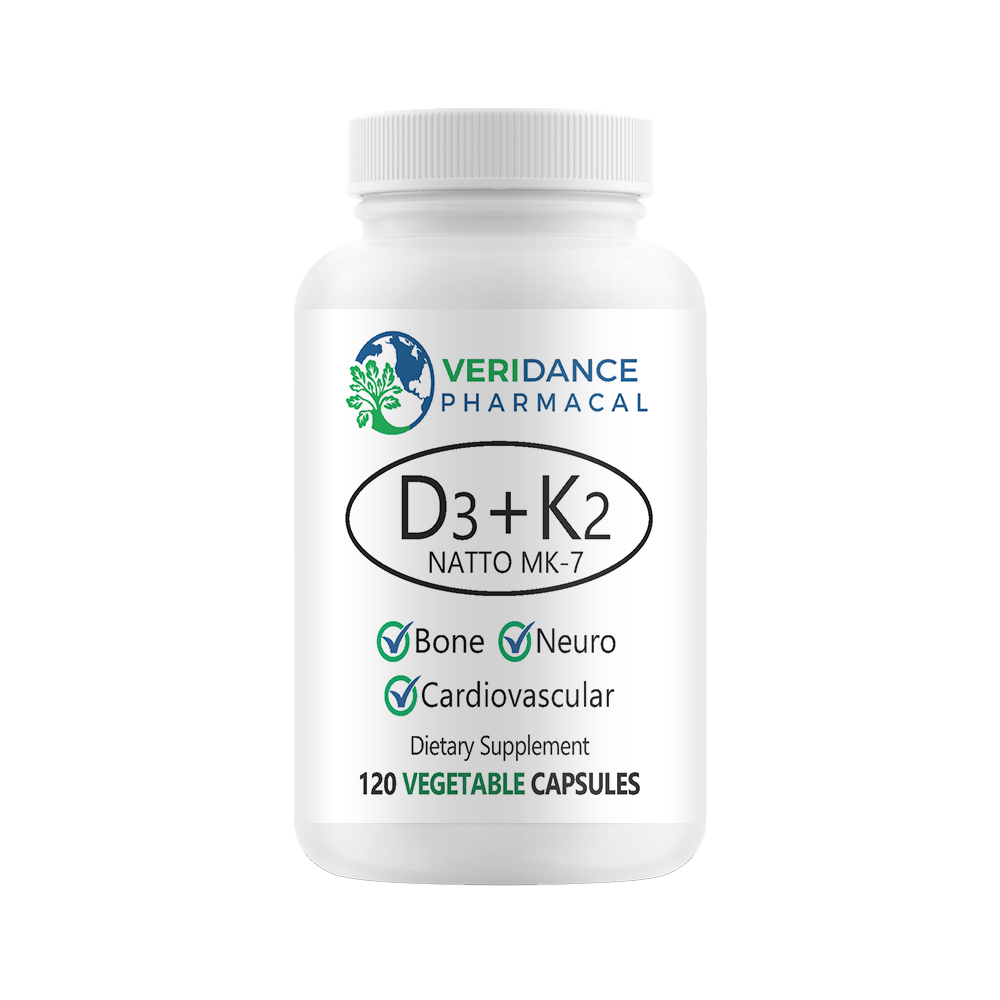
When people choose a D3 with K2 supplement, the thinking is usually straightforward. If D3 supports calcium absorption, it may be helpful to include K2 alongside it to support calcium utilisation. That combined approach appeals to people focused on bone support, active ageing and long-term daily wellness.
It is also popular with those who prefer a cleaner routine. Rather than buying several separate products, a combined formula can offer a more convenient way to cover related nutrients in one daily dose.
Vitamin D3 vs K2 for bones
For bone support, this is where the conversation becomes more useful than the comparison itself. D3 contributes to normal absorption and utilisation of calcium and phosphorus, and it supports maintenance of normal bones. K2 is involved in activating proteins linked to bone mineralisation.
So if your main goal is healthy bones, the better question is often not vitamin d3 vs k2, but whether your routine would benefit from both. That may be especially relevant if you are already mindful of calcium intake, are getting older, or simply want a more rounded supplement choice.
That said, more is not always better. The right option depends on your diet, your lifestyle, the season, and any advice you have been given by a healthcare professional.
Do you need D3 on its own or D3 with K2?
For some people, vitamin D3 on its own is a sensible choice. If your priority is topping up vitamin D, especially during lower-sunlight months, a standalone D3 product may be enough. This can suit people who want a very simple routine or who are already getting vitamin K from elsewhere in their diet.
For others, a combined D3 and K2 supplement is more appealing. It may suit those looking for support that feels more targeted to bones and calcium balance, or anyone who prefers one convenient product instead of two separate bottles.
There is also a practical side to this. If you are unlikely to stay consistent with a more complicated supplement plan, a combined capsule can be the better option simply because you are more likely to take it every day.
Who may want to look more closely at D3?
Adults in the UK often consider vitamin D support during autumn and winter, but there are a few situations where D3 may be particularly relevant all year round. That includes people who work indoors most of the time, get little sun exposure, use high-factor sun cream consistently, or have limited dietary sources.
People following plant-based diets sometimes pay closer attention too, depending on the rest of their routine. Older adults may also think more carefully about vitamin D as part of their wider bone and muscle support plan.
None of that automatically means you need a high-strength supplement, but it does explain why D3 has become such a staple in everyday wellness.
Who may consider adding K2?
K2 tends to interest people who are already taking D3 and want a more complete formula, especially for bone-focused support. It can also appeal to customers who want fewer separate supplements and a more streamlined routine.
If your diet is low in foods that naturally provide K2, that may be another reason to consider it. The same applies if your goal is not just maintaining vitamin D intake, but building a supplement plan around bones, teeth and general healthy ageing.
Still, it is not a compulsory add-on for every person taking D3. Some people do perfectly well with vitamin D alone, especially if their overall diet and lifestyle already cover the basics.
A note on absorption and timing
Both D3 and K2 are fat-soluble vitamins, which means they are generally best taken with a meal that contains some fat. It does not need to be a large meal, but taking them with food can make practical sense.
Consistency matters more than perfect timing. A supplement you take regularly with breakfast or lunch is usually more useful than a supplement you keep forgetting because you are waiting for the ideal moment.
Capsule format can matter here too. Many adults prefer a simple once-daily soft capsule or vegetable capsule that fits easily into an existing routine.
When you should be more careful
There is one important caveat with vitamin K2. If you take anticoagulant medication such as warfarin, you should speak to your GP or pharmacist before using a supplement containing vitamin K. That is because vitamin K can affect how certain medications work.
It is also sensible to check with a healthcare professional if you are pregnant, breastfeeding, managing a medical condition, or taking several medicines. Supplements are there to support your routine, not complicate it.
Choosing a supplement without overthinking it
A lot of supplement shopping becomes easier when you focus on your goal first. If you simply want a reliable daily vitamin D top-up, D3 may be all you need. If you want a formula aimed more clearly at bone support and calcium use, D3 with K2 often makes good sense.
Quality still matters. Look for a clear dose, a straightforward formula and a format you are happy to take consistently. There is no benefit in buying a supplement that sounds impressive but does not fit your routine.
For many customers, a combined D3 and K2 product offers the best balance of convenience and purpose. It is a practical way to support everyday wellness without creating a cluttered cupboard of half-used bottles.
The most useful way to think about vitamin d3 vs k2 is this: they are not rivals competing for the same job. They are different nutrients with complementary roles, and the right choice depends on what you want your supplement to do. If your aim is simple daily support, keep it simple. If your aim is more targeted bone-focused support, a combined option may be the better fit. A supplement routine works best when it feels easy to trust and easy to keep.