


A low mood can feel like a lack of motivation, a shorter temper, poor concentration or simply the sense that your usual spark has gone missing. Natural mood support vitamins are not a quick fix for difficult circumstances, but the right nutrients can help support normal psychological function, energy metabolism and a steady daily routine when your diet is not quite covering every base.
The most useful approach is usually a simple one. Rather than taking a long list of products at random, consider the nutrients most closely linked to your habits, diet, lifestyle and known needs. For many UK adults, vitamin D, B vitamins, magnesium and omega-3 are sensible places to start.
What can natural mood support vitamins do?
Supplements are designed to top up your nutritional intake, not replace the foundations of wellbeing. Regular meals, sleep, movement, daylight, time with people you trust and support through stressful periods all matter. A vitamin or mineral works best as one practical part of that wider picture.
It also helps to set realistic expectations. You may notice a difference in energy or sleep quality over time if you had a low intake of a nutrient, but a supplement cannot solve persistent low mood, burnout, grief or anxiety on its own. If symptoms are severe, last more than a couple of weeks, affect everyday life or include thoughts of harming yourself, speak to your GP or call NHS 111 for advice. In an emergency, call 999.
B vitamins for psychological function and energy
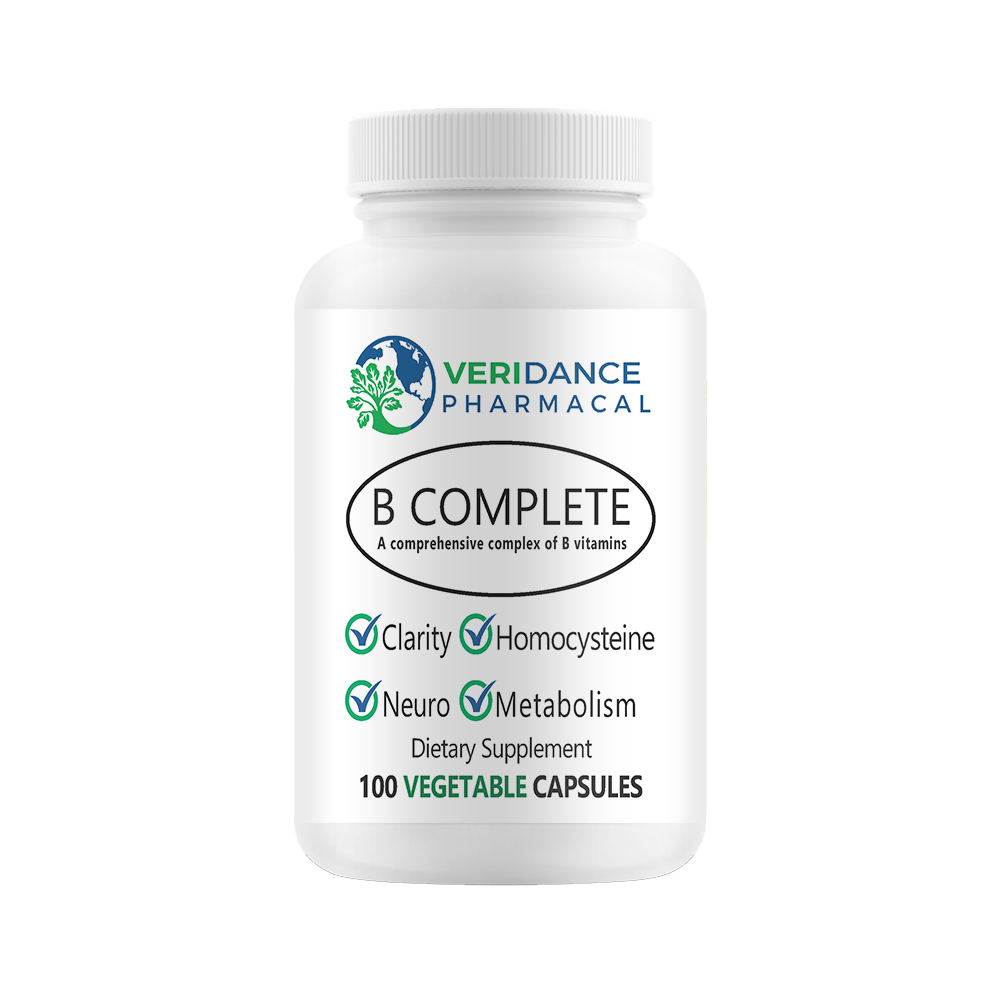
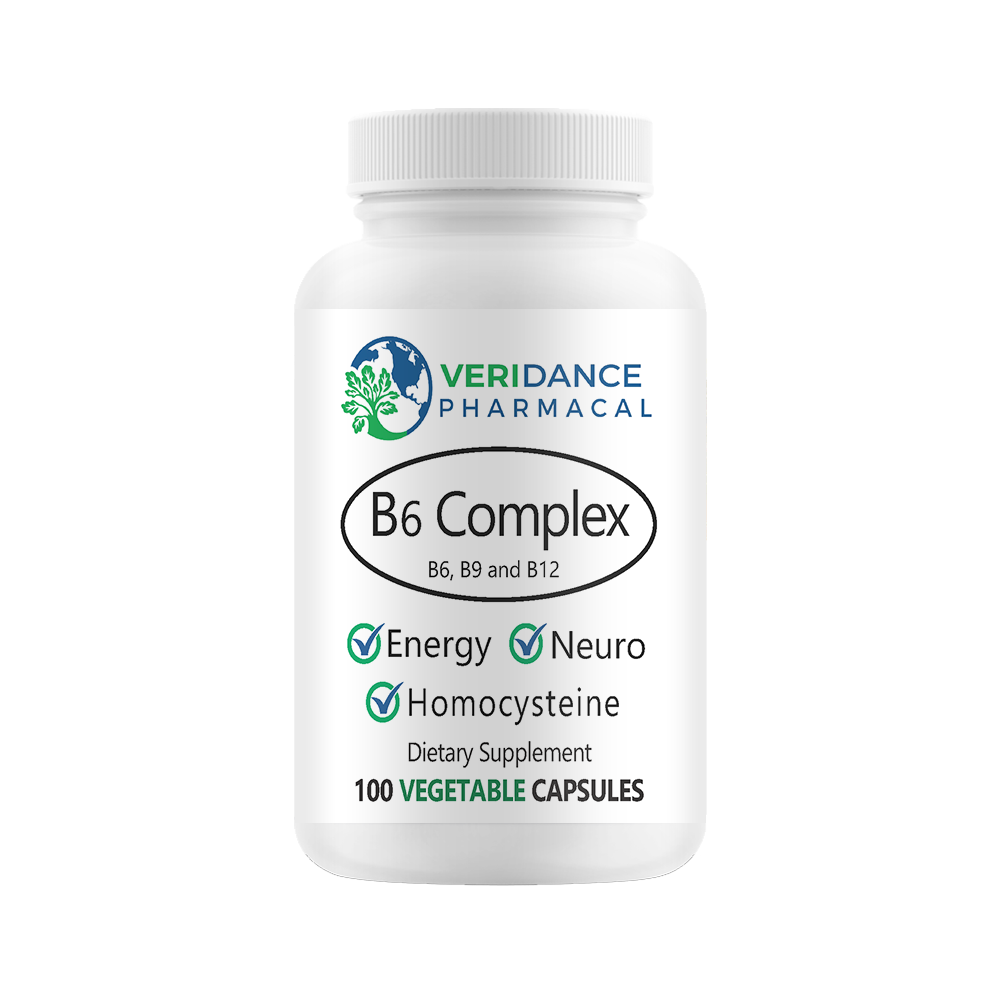
B vitamins are often at the centre of a mood-support routine because they have several relevant roles in the body. Vitamins B6, B12 and folate contribute to normal psychological function. B6, B12, folate, riboflavin and niacin also contribute to the reduction of tiredness and fatigue, which can make a demanding week feel even harder to manage.
A good-quality B complex can be a practical choice for people who want broad daily support in one capsule. It may suit busy professionals, people eating an inconsistent diet, or anyone looking to support energy alongside normal nervous system function. Vitamin B12 deserves particular attention for people following a vegan diet, as reliable dietary sources are limited. Older adults and people taking certain medicines may also need personalised advice from a pharmacist or clinician.
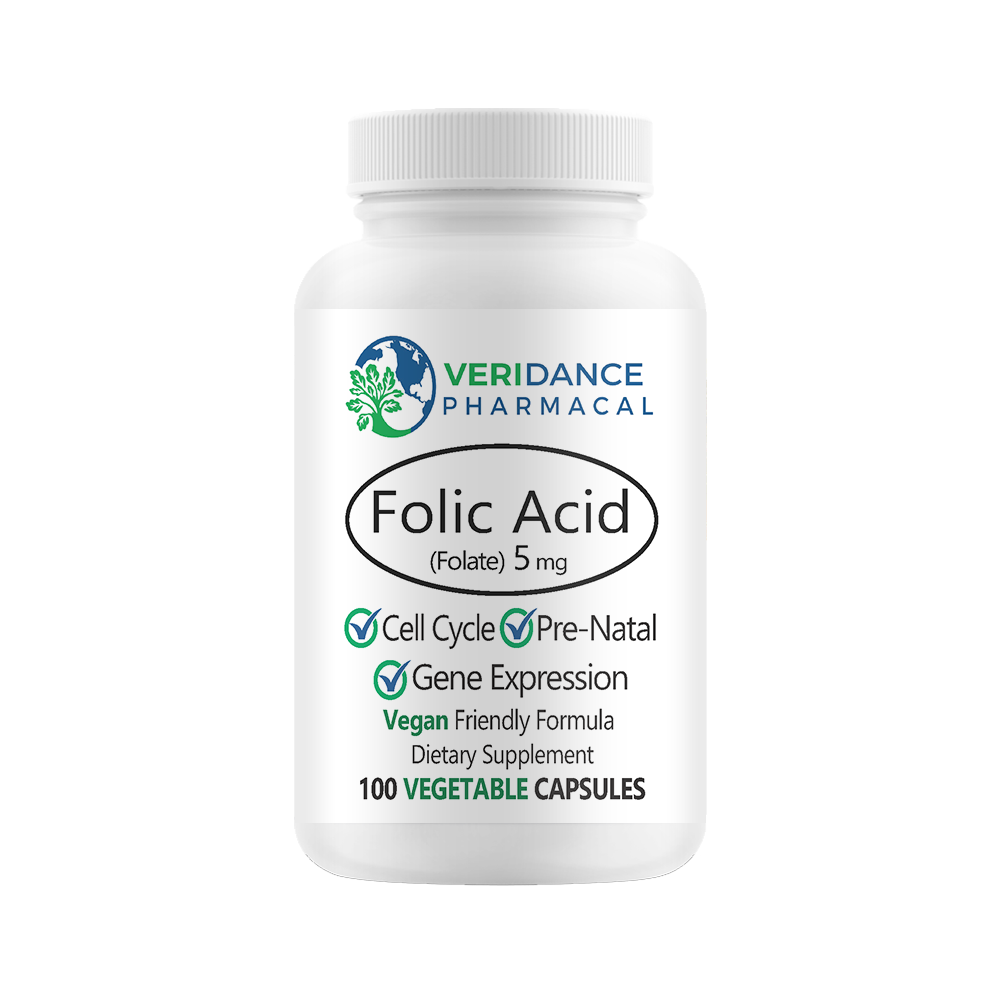
Folic acid is another targeted option, but dosage matters. It is especially relevant before and during early pregnancy, when official guidance should be followed. If you are considering a high-strength B product for a specific health concern, check the label and ask a healthcare professional if it is right for you. More is not automatically better, particularly with long-term use of high-dose supplements.
Choosing between a B complex and a single nutrient
A B complex is useful when you want convenient, broad support. A single nutrient can make more sense when you know what you need, such as vitamin B12 for a restricted diet or folic acid when advised by a healthcare professional. The better choice depends on your diet and goal, not on which label makes the boldest promise.
Vitamin D: a practical UK consideration
During autumn and winter, sunlight in the UK is not strong enough for the body to make sufficient vitamin D. That makes vitamin D supplementation a familiar part of many people's daily health routine. Vitamin D contributes to the normal function of the immune system, normal muscle function and the maintenance of normal bones and teeth.
Its relationship with mood is more nuanced. Spending time outdoors can support wellbeing for many reasons, including light exposure, movement and a break from screens. Vitamin D is one part of that seasonal health picture, especially for those who spend little time outside, cover most of their skin outdoors, have darker skin or are otherwise at greater risk of low vitamin D status.
Vitamin D3 with K2 is a popular combination for people looking for bone-related nutrient support. Vitamin K contributes to the maintenance of normal bones and normal blood clotting. However, vitamin K is not suitable for everyone. Anyone taking anticoagulant medicines, including warfarin, should seek medical advice before taking vitamin K2.
Magnesium for busy, stressful days
Magnesium is a mineral that contributes to normal psychological function, normal functioning of the nervous system and the reduction of tiredness and fatigue. It also contributes to normal muscle function, which is one reason it is often chosen by active people or those who experience muscle tension after long days.
For mood support, magnesium is often most relevant when stress has disrupted the basics: proper meals, rest and a predictable bedtime. It is not a sedative and should not be treated as one, but it can be a useful addition to a calm evening routine. Some people prefer to take it later in the day, while others find that timing makes little difference.
Different magnesium forms can suit different people. The key is to choose a clearly labelled product, follow the suggested daily intake and pay attention to how your body responds. Higher amounts can cause digestive discomfort, so a stronger dose is not always the most comfortable or useful option. If you have kidney problems, ask a healthcare professional before taking magnesium supplements.
Omega-3 and a diet that supports the brain
Omega-3 fatty acids are best known for heart health, particularly EPA and DHA from oily fish or fish oil. DHA contributes to the maintenance of normal brain function when 250 mg of DHA is consumed daily. This does not mean an omega-3 capsule will transform your mood, but it does make omega-3 a sensible nutrient to consider within a balanced, brain-supportive diet.
If you do not eat oily fish regularly, an omega-3 supplement may be a convenient option. Check whether the label states the actual EPA and DHA content rather than only the total fish oil amount. This gives you a clearer picture of what you are taking. People with fish allergies, those using blood-thinning medication, and anyone preparing for surgery should check with a clinician or pharmacist first.
How to build a simple routine
The most sustainable supplement routine is one you can follow without turning your cupboard into a pharmacy. Start with one or two products that fit a genuine need. For example, vitamin D may be a useful daily consideration in winter, while a B complex could suit someone whose diet is variable and whose main goal is energy and stress support.
Take supplements consistently and according to the label. Keeping them beside your breakfast items or setting a daily reminder can help. Some nutrients are better tolerated with food, particularly if you have a sensitive stomach. Give a routine time, but do not ignore side effects or assume that every change in how you feel is caused by a supplement.
It is also worth checking for overlap. A multivitamin, fortified foods and separate single-nutrient products can add up. Read each label before combining products, especially where vitamin D, B6, folic acid or magnesium are concerned.
Quality and safety matter
Natural does not automatically mean suitable for everyone. Choose supplements with a clear ingredient list, stated potency and directions you can understand. Vegetable capsules can be a useful choice for people avoiding gelatine, while soft capsules are common for omega-3 oils. The format matters less than reliable ingredients, an appropriate dose and consistent use.
Supplements should be stored as directed and kept out of reach of children. If you are pregnant, breastfeeding, managing a medical condition or taking prescribed medicine, check with a pharmacist, GP or qualified healthcare professional before starting something new.
A calmer, more supported day rarely comes from one capsule alone. Choose nutrients with a clear purpose, take them consistently, and give the everyday basics - food, sleep, daylight and proper support - the same attention.