


That mid-morning dip often has less to do with motivation and more to do with routine. If you are looking at how to support daily energy, the answer is usually not one dramatic fix. It is the combined effect of sleep, meals, hydration, movement and, where appropriate, targeted nutritional support.
Plenty of adults try to push through tiredness with another coffee and carry on. Sometimes that works for an hour or two. But steady energy tends to come from consistency, not quick rescue tactics. When you support the basics properly, it is often easier to feel more alert, think more clearly and keep going without the usual peaks and crashes.
How to support daily energy without overcomplicating it
Energy support is easy to make harder than it needs to be. Most people do better when they focus on a few reliable habits rather than chasing every new trend. The body relies on a regular supply of nutrients, enough rest and a realistic balance between output and recovery.
That means a useful routine is rarely extreme. Skipping meals, sleeping too little and expecting supplements to fill every gap is not a practical plan. On the other hand, a well-chosen supplement can be a sensible addition when your diet or lifestyle may not be giving you everything you need.
Start with the foundations
Sleep still does the heavy lifting
If your sleep is poor, energy will usually suffer. That sounds obvious, but it is often the first area people ignore. Going to bed at wildly different times, scrolling late into the night or relying on caffeine to get through the day can all make the cycle worse.
A more supportive approach is to aim for regular sleep and waking times, reduce bright screens late in the evening and keep your bedroom cool and quiet. If sleep is disrupted occasionally, that is normal. If it is happening most nights, it is worth looking at the pattern properly rather than simply trying to out-supplement exhaustion.
Eat in a way that supports steadier energy
Large gaps between meals can leave some people feeling drained, irritable or unfocused. For others, heavy meals high in refined carbohydrates can lead to a sharp rise and then a drop in energy. The right approach depends a bit on your appetite, activity level and schedule, but balance matters.
Meals built around protein, fibre and slow-release carbohydrates are often more helpful than quick sugary fixes. Think porridge with seeds, eggs with wholegrain toast, yoghurt with nuts, or a lunch that includes protein, vegetables and a sensible portion of carbohydrates. You do not need a perfect diet. You do need meals that help you feel stable rather than wiped out.
Hydration is basic, but it matters
Even mild dehydration can leave you feeling sluggish or foggy. This is especially common if you drink plenty of tea and coffee but very little water. Caffeine can have a place in a normal day, but it should not be doing all the work.
A simple way to improve this is to keep water within reach and drink regularly rather than waiting until you feel very thirsty. If you are active, in a warm environment or drinking several caffeinated drinks, your fluid needs may be higher.
Movement can improve energy, not drain it
When you already feel tired, exercise can sound like the last thing you need. But gentle, regular movement often improves daily energy rather than reducing it. A brisk walk, a short cycle, light strength training or even breaking up long periods of sitting can help support circulation, mood and focus.
This does not mean every person needs intense training. In fact, too much exercise without enough recovery can leave you more tired. The useful question is whether your activity levels are helping your energy or quietly working against it.
Where nutrients fit into daily energy support
Food should come first, but some nutrients are particularly relevant to normal energy-yielding metabolism and day-to-day wellbeing. This is where targeted supplementation can be useful, especially if your intake is inconsistent or your needs are higher.
B vitamins and energy metabolism
B vitamins are closely associated with energy because they help the body convert food into usable energy. They do not work like a stimulant, so they will not create artificial alertness in the way caffeine can. Their role is more fundamental than that.
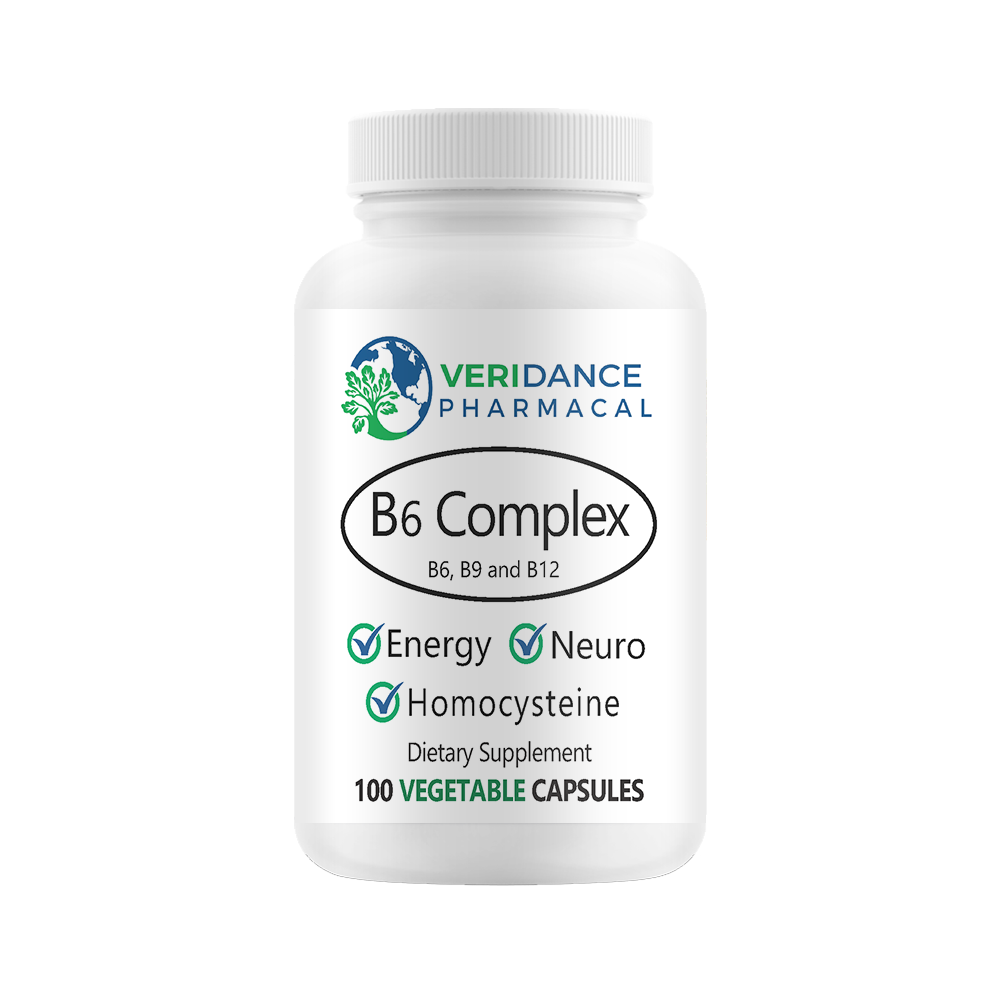
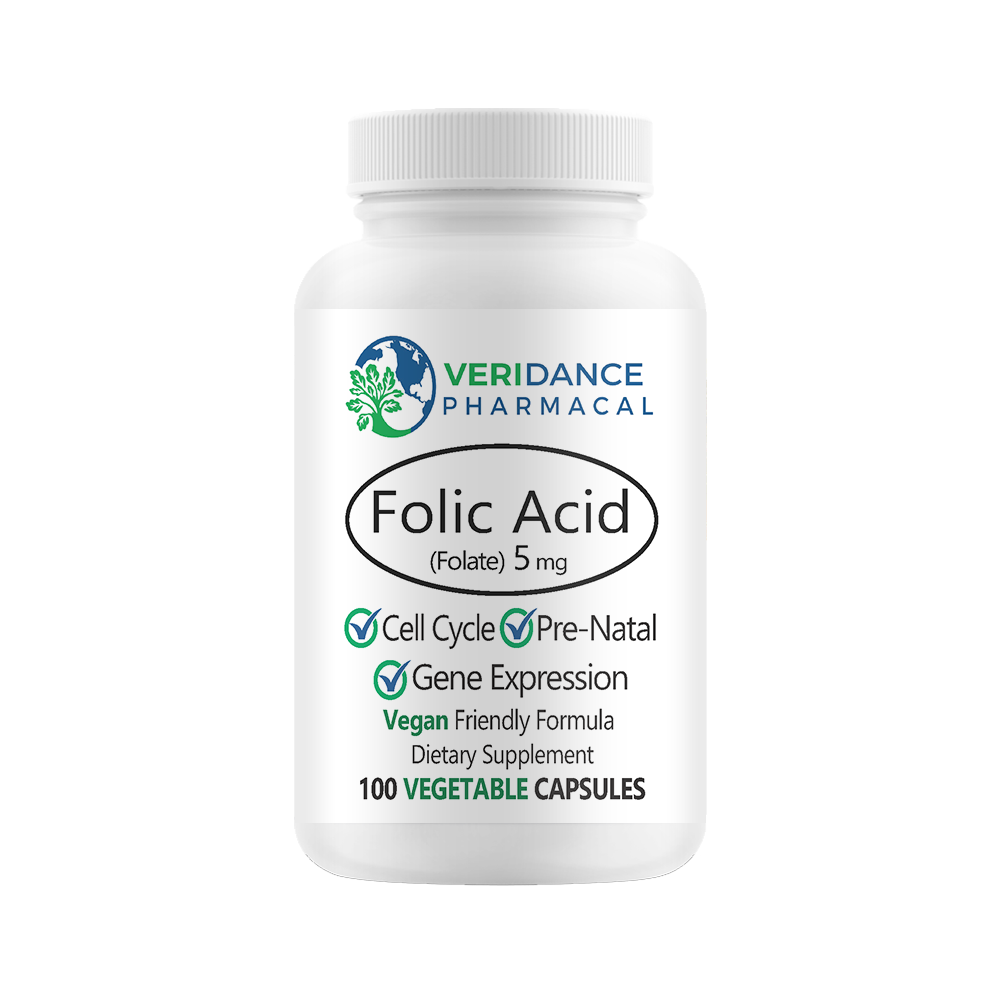
Vitamin B12, vitamin B6, folate and other B vitamins are involved in processes linked to energy release, red blood cell formation and nervous system function. If your intake is low, or if your diet excludes key sources, this can be worth attention. Vegetarian and vegan diets, for example, may require a closer look at B12 intake.
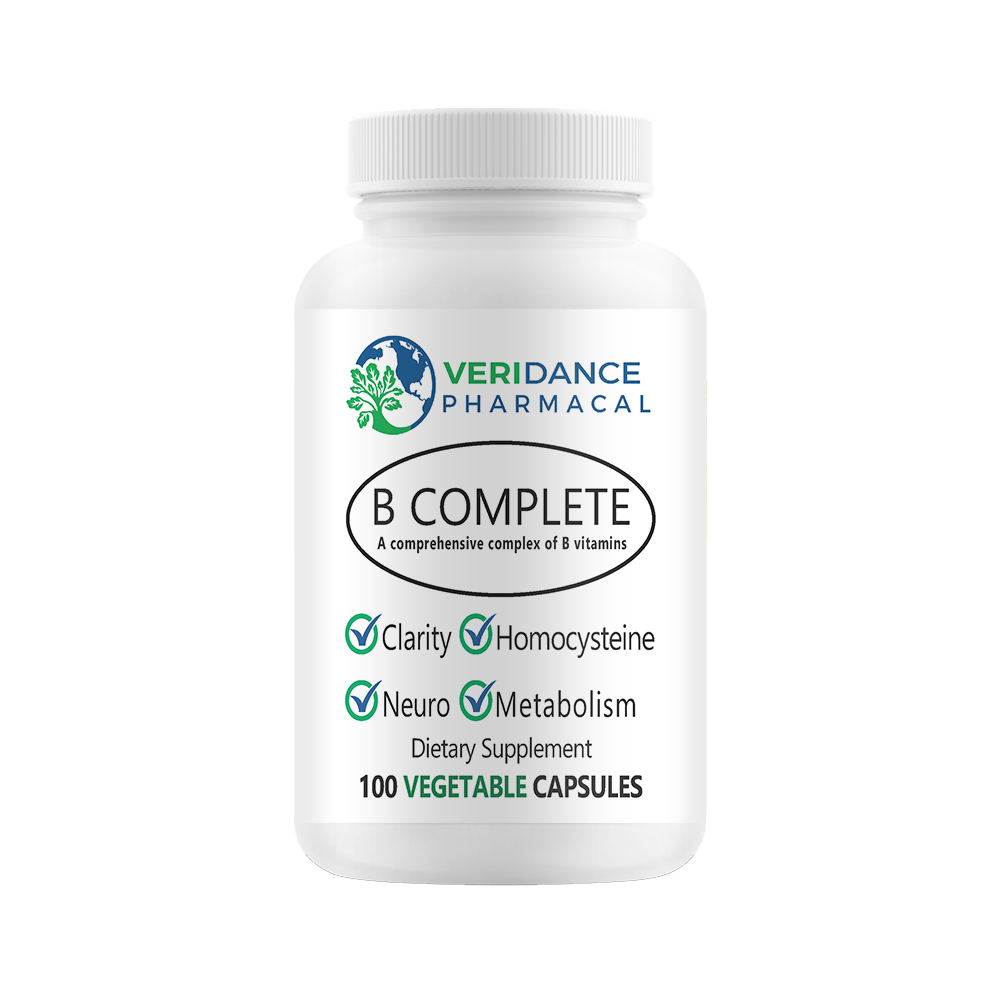
A well-formulated vitamin B complex can be a practical option for people who want broad daily support rather than taking several separate products. For some, that makes sticking to a routine much easier.
Magnesium and tiredness
Magnesium is another nutrient commonly discussed in relation to fatigue and tiredness. It supports normal muscle function, the nervous system and energy-yielding metabolism. It can also be relevant for people whose routines include stress, poor sleep or regular exercise.
The detail does matter here, because magnesium comes in different forms. Some may be better tolerated than others, and individual preference can vary. If you are taking magnesium as part of your routine, consistency tends to matter more than expecting an immediate dramatic shift.
Vitamin D and general wellbeing
Vitamin D is not usually the first thing people think of for energy, but low vitamin D status can affect how well you feel overall. In the UK, this matters because sunlight exposure varies so much across the year, especially in autumn and winter.
If you spend most of your time indoors, cover your skin outdoors or simply do not get reliable sun exposure, vitamin D support may be worth considering. For many adults, it is a practical part of a broader everyday wellness routine rather than a stand-alone answer to tiredness.
Omega-3 and the bigger picture
Omega-3 is more often linked to heart, brain and general wellbeing than direct energy support, but that wider health picture still matters. When your routine supports concentration, mood and recovery, your energy often feels steadier too.
This is a good example of why energy is not a one-nutrient issue. Sometimes the best results come from supporting several areas sensibly rather than focusing on one capsule as the answer to everything.
How to support daily energy with supplements sensibly
Supplements work best when they are chosen for a clear reason. If your goal is daily energy support, start by asking where the weak spots are. Are you skipping meals, sleeping badly, under pressure at work, training hard or eating a restricted diet? The right choice depends on the reason behind the dip.
A vitamin B complex may suit someone who wants broad support for energy metabolism and the nervous system. Magnesium may appeal to someone whose low energy comes with tension, poor sleep or heavy physical demands. Vitamin D may be more relevant during darker months or for people with low sun exposure.
The useful middle ground is to be practical. Take products with clear dosage information, use them consistently and give them time. Buying lots of overlapping formulas often creates confusion rather than better results.
When daily tiredness may need a closer look
Not every energy issue is a lifestyle issue. If tiredness is persistent, new, severe or getting worse, it is worth speaking to a GP or qualified healthcare professional. That is especially true if it comes with breathlessness, dizziness, unexplained weight changes, low mood, sleep problems or other noticeable symptoms.
This is where honesty helps. If you are exhausted because you are doing too much and sleeping too little, that needs one kind of response. If there may be an underlying health issue, that needs another. Supplements can support wellbeing, but they are not a substitute for medical advice when something does not feel right.
A routine that is easier to keep
The best energy routine is usually the one you can follow on a normal Tuesday. It does not require a drawer full of products or a perfect diet. It looks more like regular meals, enough water, decent sleep, sensible movement and a few targeted nutrients that fit your needs.
For many people, that is enough to make daily energy feel steadier and more dependable. If you want support that fits easily into everyday life, keep it simple, be consistent and choose quality over clutter. A good routine should help you feel better, not give you another job to manage.