


A supplement label can look reassuringly simple: one nutrient, one capsule, one clearly stated strength. Yet high potency supplements are not automatically the best choice simply because the number on the label is larger. The useful question is whether that dose suits your diet, lifestyle, health goal and the other products you take.
For many people, a higher-strength formula is a practical way to support a specific nutritional need without taking several capsules. For others, a modest daily dose, or no supplement at all, may be more appropriate. Choosing well means looking beyond potency and focusing on purpose.
What does high potency actually mean?
High potency usually means a supplement provides a larger amount of a nutrient per serving than a standard daily product. It may deliver a nutrient at, above or well above the Nutrient Reference Value (NRV) shown on UK labels. This can be helpful, but the NRV is a reference point for general labelling rather than a personal prescription.
Potency is also relative. A high-strength Vitamin D3 capsule may be designed for less frequent use, while a high-strength B complex may provide generous levels of several B vitamins in one daily serving. Magnesium products vary not only by the amount listed but by the form of magnesium used, which can affect tolerance and suitability.
The best dose is not the highest dose. It is the dose that fits your individual needs and can be taken consistently and safely.
When high potency supplements can make sense
A targeted higher-strength supplement can be useful when there is a clear reason for taking it. During autumn and winter, for example, many adults choose Vitamin D to support normal immune function, muscle function and the maintenance of normal bones and teeth. Those with limited exposure to sunlight may want to consider their Vitamin D intake throughout the year.
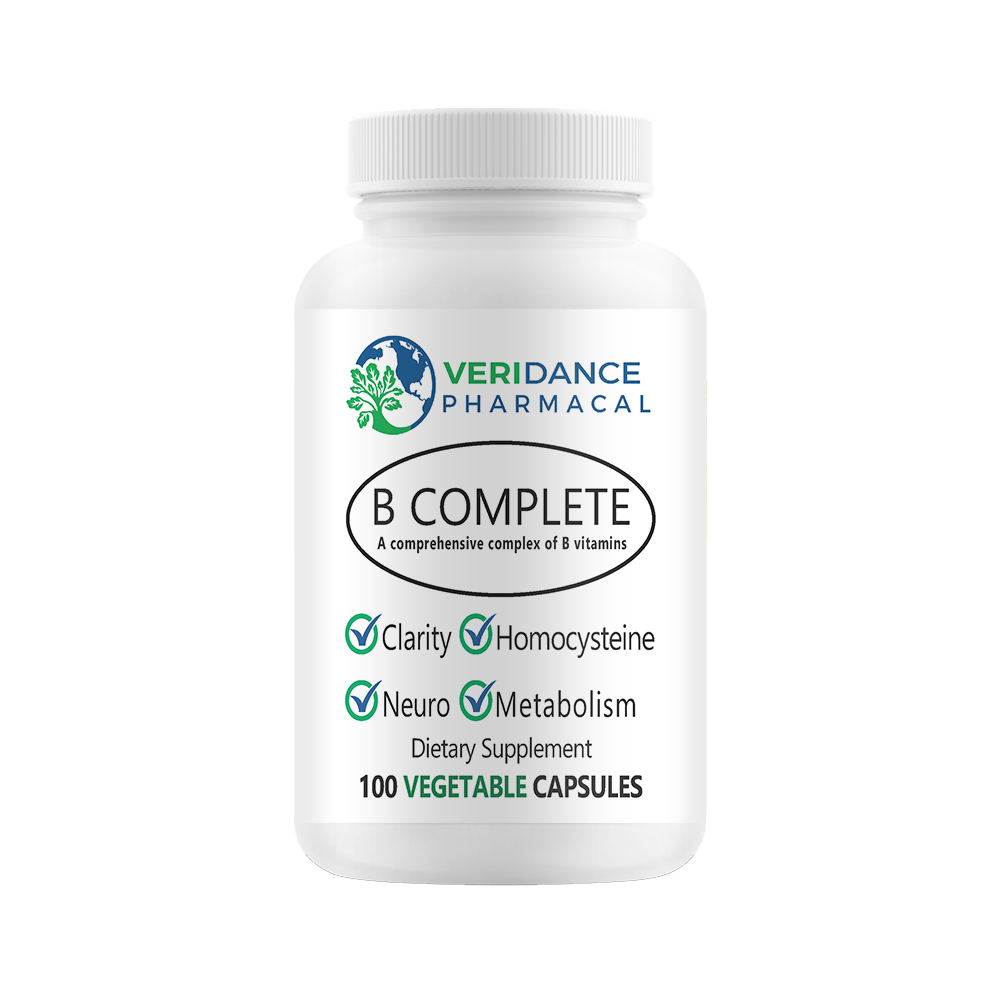
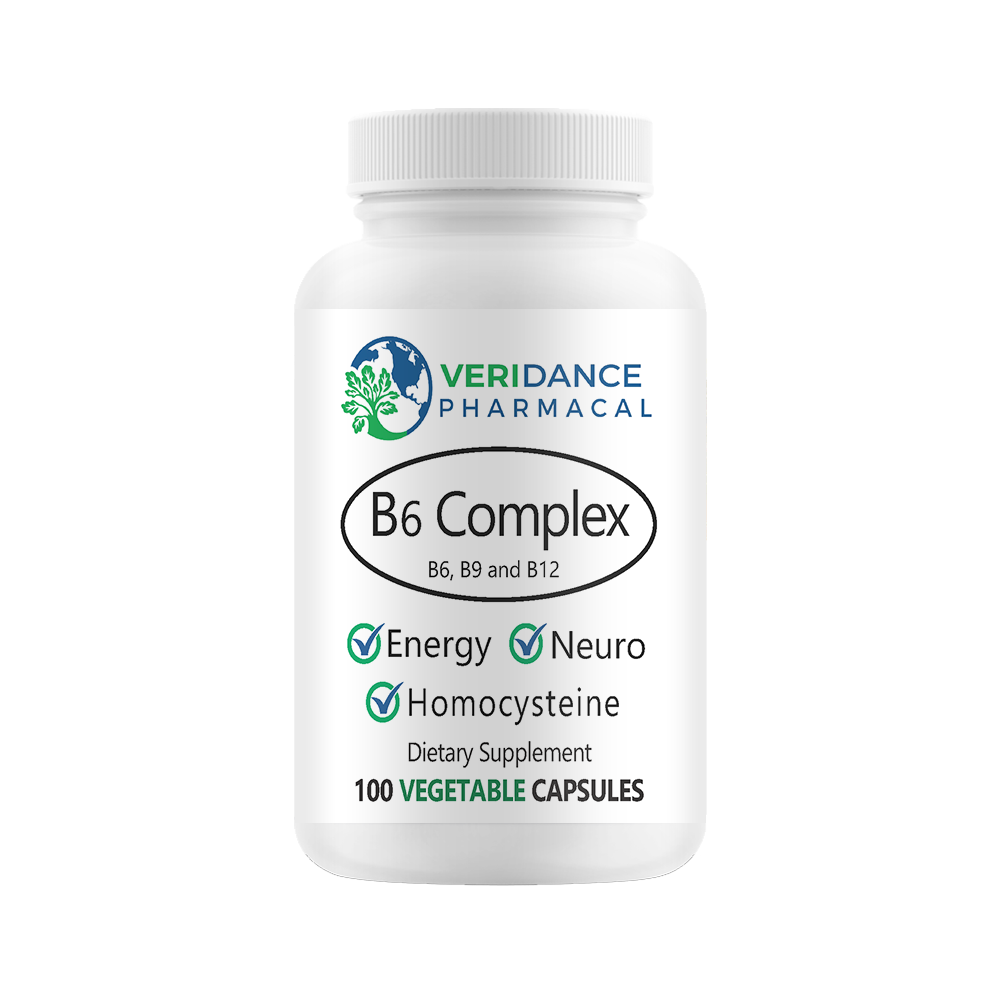
Busy routines can also influence supplement choices. If meals are irregular, stress is high or energy feels depleted, a quality Vitamin B complex can be a convenient way to support normal energy-yielding metabolism and normal psychological function. This does not replace sleep, regular meals or managing the cause of ongoing fatigue, but it can be a focused addition to a sensible daily routine.
Other common goals include supporting normal heart function with Vitamin D or thiamine, maintaining normal blood formation with folate, or supporting normal muscle function with magnesium. Omega-3 products may appeal to people who do not regularly eat oily fish and want a straightforward way to supplement their intake.
Higher potency is often most useful for people who want a single, targeted formula rather than a broad multivitamin containing small amounts of many nutrients. It can make a routine simpler, especially when the product is in an easy-to-take vegetable capsule or soft capsule.
High potency is not a shortcut
Supplements work best as support, not as a way to compensate for a consistently poor diet or a demanding lifestyle with no recovery time. A high-strength capsule cannot provide the fibre, protein, healthy fats and variety found in everyday food.
It is also worth avoiding the assumption that more will produce faster or better results. Nutrients have different roles, absorption patterns and upper safe limits. Taking extra because a product seems beneficial can increase the risk of unwanted effects, particularly when several products contain the same nutrient.
For example, someone taking a multivitamin, a B complex and an energy formula could be doubling up on certain B vitamins without realising it. The same applies to Vitamin D, magnesium, zinc and folic acid. A quick check of each label can prevent unnecessary overlap.
Strength and quality are different things
A high number on the front of a pack does not, by itself, tell you whether a supplement is right for you. Product quality also matters. Look for a clearly stated amount per daily serving, a sensible capsule format, full ingredient information and directions that are easy to follow.
It is useful to know whether the amount refers to the active nutrient itself and whether the suggested serving is one capsule or several. Transparent labelling makes it easier to compare products and build a routine without guesswork.
For people who prefer a simpler approach, single-nutrient products can be easier to manage than complex blends. They make it clearer what you are taking and why. A B complex is a sensible exception when several related B vitamins are wanted in one formula.
How to choose the right strength for your goal
Start with the outcome you have in mind. If you are looking for everyday support, a product intended for regular daily use may be enough. If you have been advised by a healthcare professional to take a particular nutrient or dose, follow that guidance rather than choosing based on marketing language alone.
Then consider your diet. Someone who eats oily fish regularly has a different Omega-3 starting point from someone who rarely does. A person following a vegan diet may need to pay particular attention to nutrients that are harder to obtain from plant foods. Individual circumstances matter more than a one-size-fits-all routine.
Finally, decide whether the format is realistic for you. The most carefully chosen supplement is of limited use if it sits unopened in a cupboard. A once-daily capsule taken with breakfast may be more useful than a complicated routine that is difficult to maintain.
A practical check before you buy
Before adding a high-strength product to your basket, take two minutes to review the basics:
- Check the amount per serving and compare it with the label directions.
- Look across your existing supplements for repeated ingredients.
- Consider whether the product is designed for daily use or occasional use.
- Read any suitability statements, especially if you are pregnant, breastfeeding, taking medication or managing a health condition.
- Choose a product that clearly matches one goal, such as energy support, bone-related nutrient support or normal muscle function.
Important situations to get advice first
Some supplements are not suitable for everyone at the same strength. If you take prescribed medicines, speak with a pharmacist, GP or another qualified healthcare professional before starting a new supplement. This is especially relevant if you use anticoagulant medication and are considering a product containing Vitamin K, or if you take medicines that may interact with minerals.
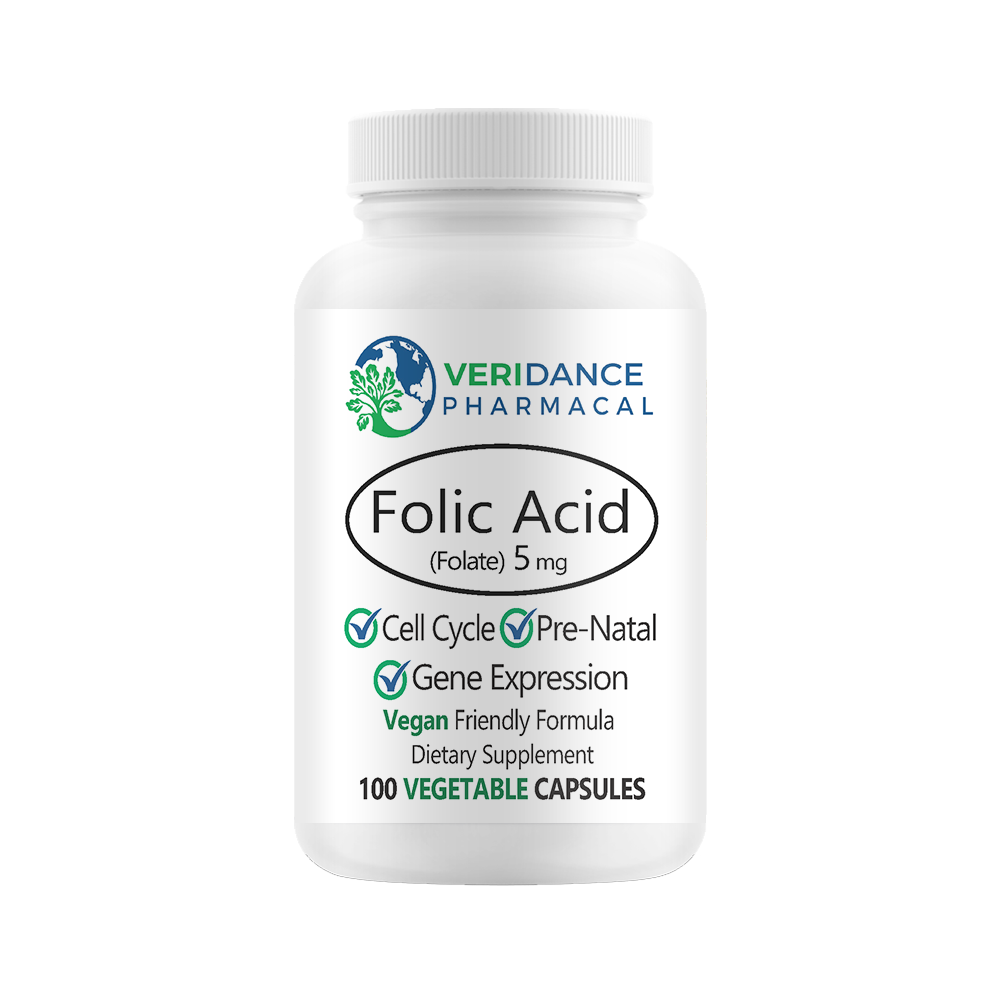
Pregnancy is another situation where personalised advice matters. Folic acid is widely recommended when trying for a baby and during early pregnancy, but the appropriate amount can differ according to individual circumstances. A clinician can advise if a higher dose is needed.
Persistent tiredness, low mood, tingling, weakness, unexplained weight changes or frequent illness deserve proper attention rather than repeated changes to your supplement cupboard. These symptoms can have many causes, and a blood test or medical assessment may be more helpful than increasing a dose.
Building a routine that lasts
A focused supplement routine is often more effective than an overflowing shelf. Choose one or two products that match your priorities, take them as directed and give the habit time to settle. Keeping capsules near something you already do each day, such as making breakfast, can make consistency easier.
It can also help to review your routine every few months. Your needs may shift with the season, dietary changes, a new fitness goal or advice from a healthcare professional. What suited you during winter may not be the best choice year-round.
GreenVits keeps this approach simple with high-strength, targeted formulas designed around clear everyday wellness goals. The aim is not to take more products, but to choose the right support with confidence.
A well-chosen supplement should make daily health feel clearer, not more complicated. Start with one reason, check the dose, and let the product earn its place in your routine.