


Getting older does not mean accepting lower energy, weaker bones or a diet that falls short. It does mean being more deliberate about the habits that support you over time. Healthy ageing supplements can help where food intake, appetite, lifestyle or limited sunlight leave genuine nutritional gaps, but they work best as part of a sensible daily routine rather than a shortcut.
The most useful approach is not to buy every product labelled anti-ageing. It is to choose nutrients with a clear role in the areas you want to support, use an appropriate dose and remain consistent. For many adults, the foundations are vitamin D, magnesium, omega-3 and key B vitamins.
What healthy ageing really looks like
Healthy ageing is about protecting function, not chasing a number on the calendar. That might mean maintaining normal bones and muscles, supporting heart health, staying mentally sharp at work, sleeping well and having the energy for walking, family life and the things you enjoy.
Food remains the starting point. A varied diet with vegetables, fruit, protein, wholegrains, oily fish and healthy fats provides far more than isolated nutrients. Supplements are there to complement that diet when a specific nutrient is difficult to obtain consistently, not to compensate for a poor one.
Needs also vary. Someone who rarely eats fish may focus on omega-3. A person who works indoors may need to pay closer attention to vitamin D, particularly through autumn and winter in the UK. If you take prescribed medicines, have a diagnosed condition, are pregnant or are planning surgery, check with a GP, pharmacist or qualified healthcare professional before starting a new supplement.
The nutrients worth considering
Vitamin D3 and K2 for bone support
Vitamin D contributes to the normal absorption and utilisation of calcium and phosphorus, as well as the maintenance of normal bones, teeth and muscle function. It also contributes to the normal function of the immune system. These are useful roles at every adult age, but they become especially relevant when protecting bone health is a priority.
Sunlight helps the body make vitamin D, yet UK sunlight is not reliable enough for many people through the colder months. Government advice recommends that adults and children over four consider a daily supplement containing 10 micrograms of vitamin D during autumn and winter. Some people may need to consider it year-round, including those who spend little time outdoors or have darker skin.
Vitamin K contributes to the maintenance of normal bones. Products combining D3 with K2 can be a practical choice for people who want bone-related nutrient support in one daily capsule. However, vitamin K is not suitable for everyone. In particular, speak to a healthcare professional before taking it if you use anticoagulant medicines such as warfarin.
Magnesium for normal muscle function and less fatigue
Magnesium is involved in a wide range of normal body processes. It contributes to normal muscle function, normal psychological function, normal energy-yielding metabolism and a reduction of tiredness and fatigue. It also contributes to the maintenance of normal bones.
This makes magnesium a popular option for adults who want everyday support for busy schedules, exercise recovery or periods when sleep and stress feel less manageable. The form matters: different magnesium compounds provide different amounts of elemental magnesium and may suit people differently. Some forms are gentler on the stomach than others, so it can be sensible to start with the recommended serving and assess how you feel.
More is not automatically better. High supplemental intakes can cause digestive upset, particularly loose stools. If you have kidney problems, seek professional advice before using magnesium supplements.
Omega-3 for heart and brain support
Omega-3 fats are best known for EPA and DHA, found in oily fish and fish oil. DHA contributes to the maintenance of normal brain function and normal vision when consumed at a daily intake of 250mg. EPA and DHA contribute to the normal function of the heart at a combined daily intake of 250mg.
For people who do not regularly eat oily fish, an omega-3 supplement can offer a convenient way to support their intake. Check the label for the actual EPA and DHA amounts, rather than looking only at the total fish oil figure. That tells you more clearly what each serving provides.
Omega-3 is not a replacement for medical care for cholesterol, blood pressure or heart disease. It can be part of a heart-conscious lifestyle alongside movement, a balanced diet, not smoking and following any treatment plan given by your clinician. Anyone taking blood-thinning medication should ask a pharmacist or GP before adding a fish oil product.
B vitamins for energy and normal homocysteine metabolism
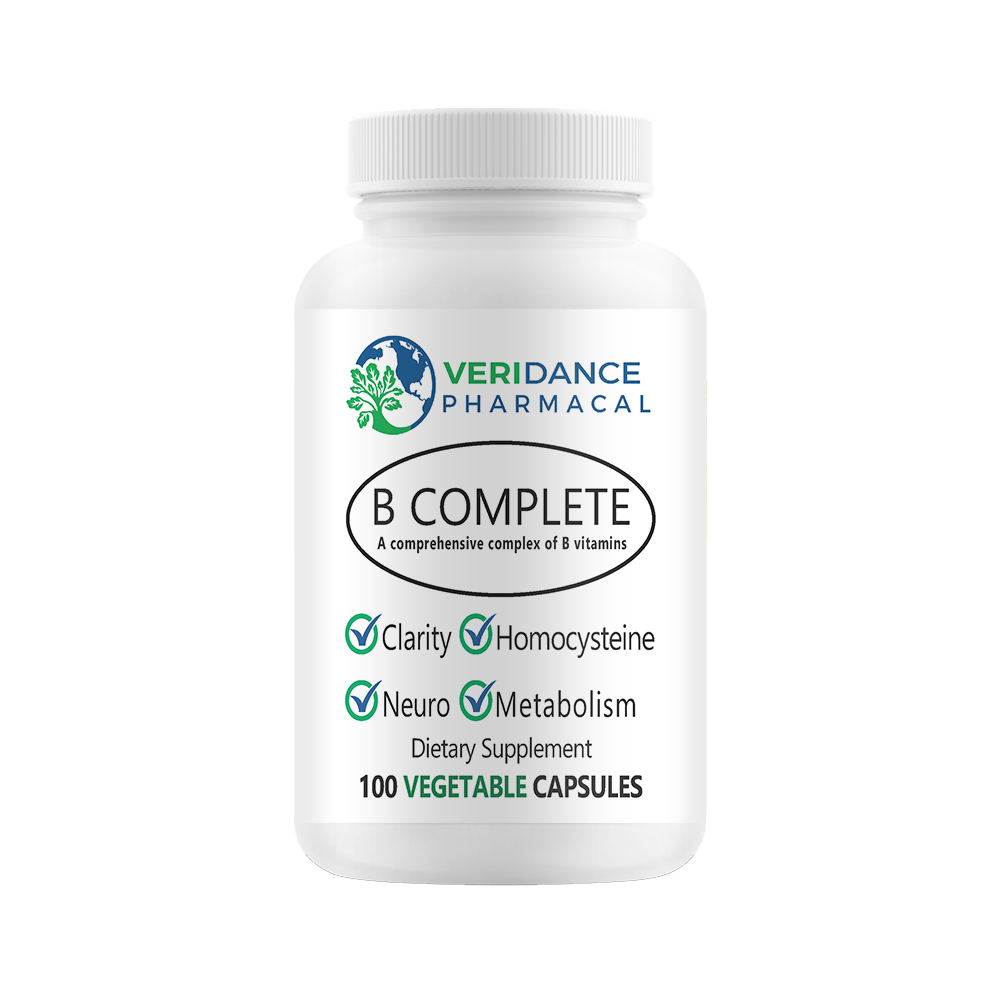
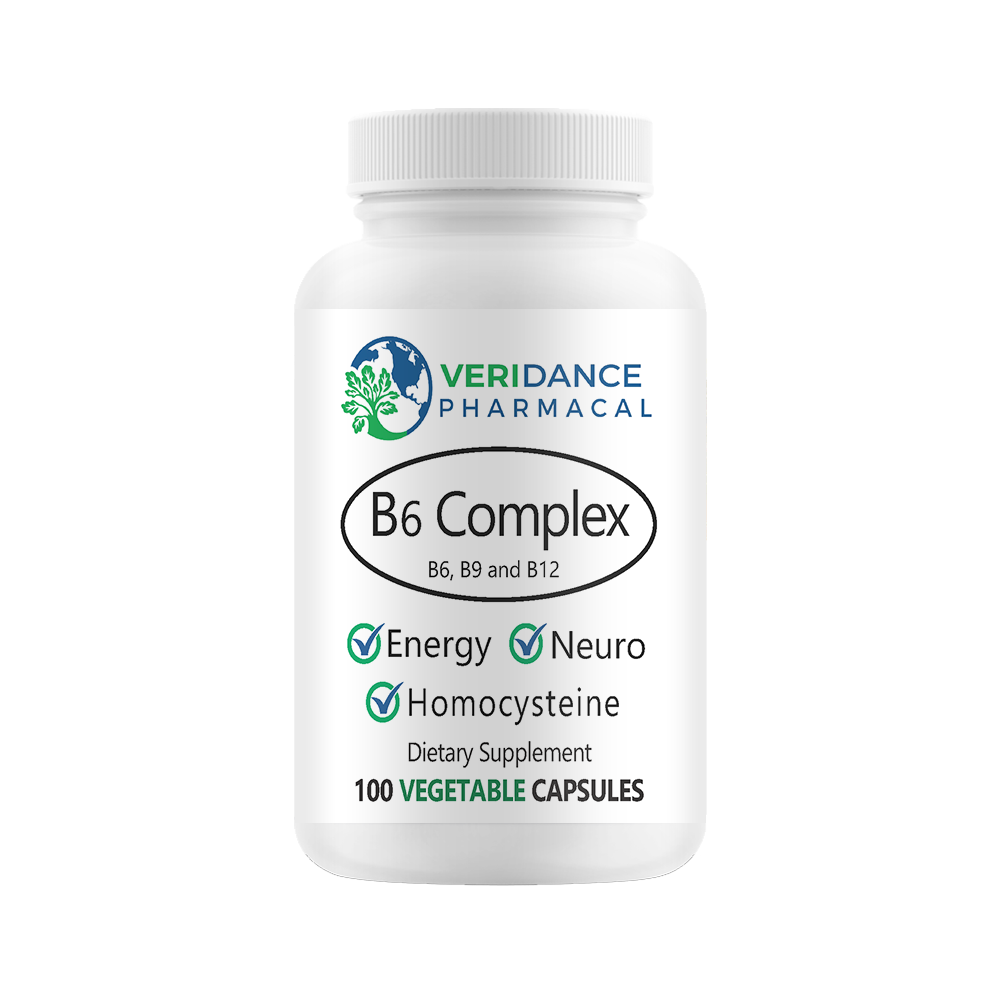
B vitamins have different roles, which is why a well-formulated B complex can be useful when your goal is broad nutritional support. Vitamins B6 and B12 contribute to normal energy-yielding metabolism, normal psychological function and a reduction of tiredness and fatigue. Folate contributes to normal blood formation and normal homocysteine metabolism.
Vitamin B12 deserves particular attention for people following a vegan diet, as reliable dietary sources are limited. Absorption can also become less efficient with age for some people. Low B12 can have several causes, so persistent fatigue, tingling, breathlessness or changes in balance should be discussed with a GP rather than self-treated indefinitely.
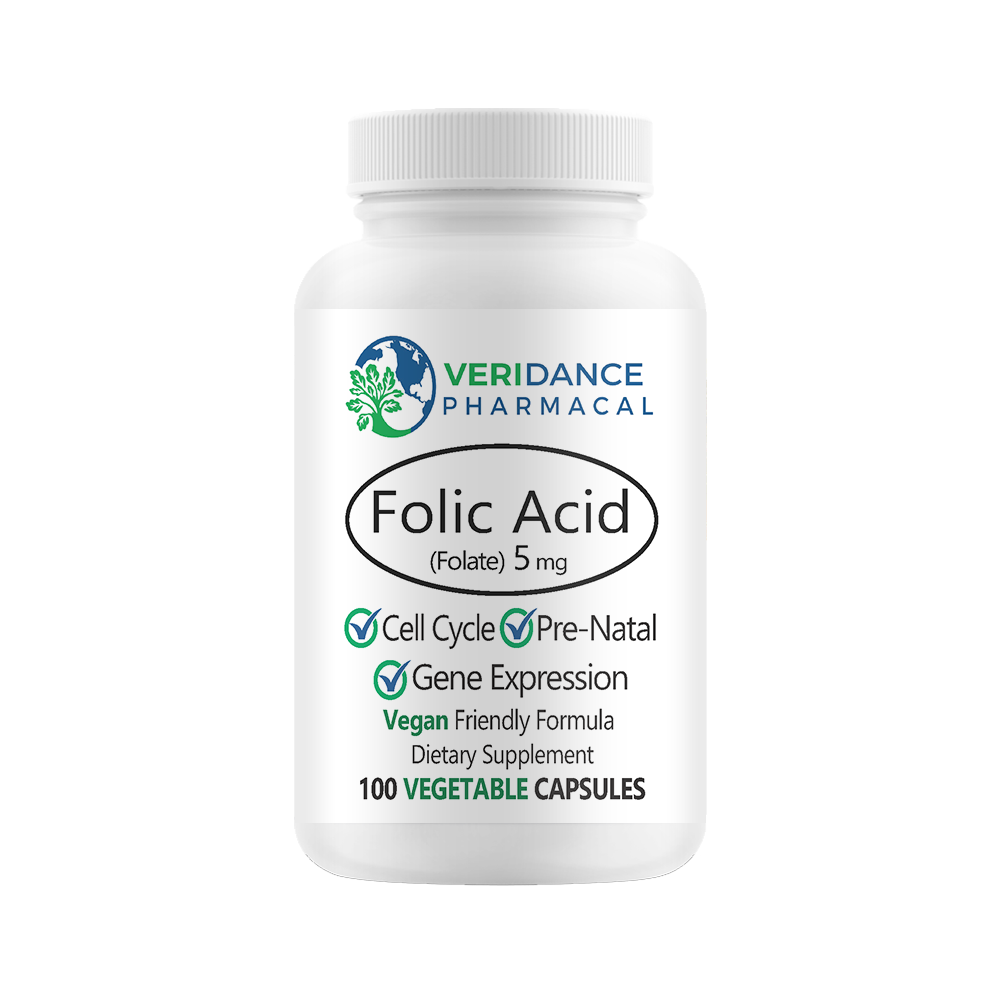
Folic acid may be appropriate in specific situations, but it is not a general substitute for identifying the cause of a deficiency. If you are taking high-dose folic acid or have concerns about B12 status, professional guidance is worthwhile.
How to choose healthy ageing supplements wisely
A long ingredient list can look impressive, but clarity is more valuable. Choose products that state the nutrient amount per daily serving, use a format you will take consistently and fit a real need in your routine. A high-strength single-nutrient product can be easier to manage than a broad multivitamin if you already know what you want to support.
It also helps to avoid doubling up. Vitamin D may be present in a multivitamin, a bone formula and a separate D3 product. Magnesium may appear in a sleep blend as well as a standalone capsule. Read every label and add up your daily intake before combining products.
Quality and practicality matter too. Look for clearly labelled capsules or soft capsules, sensible serving sizes and straightforward directions. A product that sits unopened in a cupboard offers no benefit. For a daily routine, simplicity usually wins.
Build the routine around everyday habits
Supplements support the basics; they do not replace them. Resistance exercise and weight-bearing activity help maintain muscle and bone strength. Regular walks, cycling, swimming or whatever movement you enjoy can support cardiovascular fitness. Protein-rich meals, fibre, hydration, sleep and social connection all have a role in how well you feel as the years pass.
Consistency is more valuable than constantly changing products. Try taking a supplement at the same point in your day, such as with breakfast or an evening meal, following the label directions. Fat-soluble vitamins, including vitamin D, are commonly taken with a meal containing some fat. If a supplement does not suit you, do not force it. Review the dose, timing and whether it is genuinely needed.
When to ask for personalised advice
A supplement cannot diagnose the reason behind new or worsening symptoms. Unexplained tiredness, weight loss, persistent digestive issues, numbness, low mood or changes in memory deserve a conversation with a healthcare professional. Blood tests may identify a deficiency or point to another cause that needs proper treatment.
This is particularly important if you take regular medication. Minerals can affect the absorption of some medicines when taken at the same time, and vitamins K, D and B12 may need individual consideration depending on your health history. A pharmacist can often provide quick, practical advice on suitable timing and potential interactions.
Healthy ageing is built through small decisions repeated for years. Start with the area that matters most to you, choose a clearly labelled supplement that fits your needs and give the rest of your daily routine the same steady attention.