


Feeling unusually drained despite getting enough sleep can be frustrating, particularly when busy workdays and family life already demand plenty of energy. Folate deficiency symptoms can develop gradually and are easy to mistake for stress, a poor night's sleep or simply being run-down. But persistent symptoms deserve a proper conversation with a GP, rather than guesswork.
Folate is vitamin B9, a nutrient your body needs to make healthy red blood cells and support normal cell division. It occurs naturally in food as folate. Folic acid is the manufactured form used in fortified foods and supplements. Both have a role in helping the body maintain normal blood formation, but a suspected deficiency should be assessed carefully.
Common folate deficiency symptoms
One of the most recognisable effects of low folate is megaloblastic anaemia. This happens when the body cannot produce red blood cells properly. Red blood cells carry oxygen around the body, so when their number or function is affected, everyday tasks can start to feel harder than they should.
Symptoms can include ongoing tiredness, weakness, low energy, breathlessness and a noticeable lack of stamina. Some people experience headaches, dizziness or heart palpitations. You might feel pale, particularly around the face or inside the lower eyelids, although this is not always obvious.
Folate deficiency can also affect the mouth and appetite. A sore or red tongue, mouth ulcers, a reduced appetite and changes in taste can occur. Some people may notice unintentional weight loss if a poor appetite has lasted for some time.
Mood and concentration may be affected too. Irritability, low mood, forgetfulness or difficulty concentrating have many possible causes, from pressure at work to poor sleep and other nutrient deficiencies. They are not enough to diagnose a folate problem on their own, but are worth mentioning if they appear alongside fatigue and other physical symptoms.
When symptoms need prompt medical advice
Do not assume tiredness is caused by folate alone. Iron deficiency, vitamin B12 deficiency, thyroid conditions, heavy periods, coeliac disease, certain medicines and many other health issues can cause similar symptoms.
Arrange a GP appointment if symptoms are persistent, worsening or affecting day-to-day life. Seek urgent medical help for severe shortness of breath, chest pain, fainting, or a fast or irregular heartbeat. These symptoms may have causes that need timely assessment.
A blood test is the sensible next step when deficiency is suspected. It can help identify whether folate is low and whether iron, vitamin B12 or other markers also need attention. This matters because treating yourself with folic acid without checking vitamin B12 status may improve the anaemia while allowing B12-related nerve damage to continue unnoticed.
Why folate levels can fall
Low intake is one possible reason. Folate is found in green leafy vegetables, beans, chickpeas, lentils, peas, asparagus, broccoli, citrus fruit and fortified breakfast cereals. Regularly eating a limited range of foods, relying heavily on processed meals or having a low appetite can make it harder to meet your needs.
Preparation matters as well. Folate is water-soluble and can be lost when vegetables are boiled for a long time. Steaming, microwaving or using a small amount of cooking water can help retain more of the vitamin. This is not a reason to avoid cooked vegetables - it is simply a useful reason to vary how you prepare them.
Sometimes diet is not the main issue. Conditions that affect nutrient absorption, including coeliac disease and inflammatory bowel disease, may contribute. Regularly drinking large amounts of alcohol can reduce folate stores. Certain medicines can also interfere with folate absorption or use, including some medicines used for epilepsy, inflammatory conditions and cancer treatment. Never stop or alter prescribed medication without speaking to the clinician who prescribed it.
Pregnancy increases the body's need for folate. In the UK, people who are trying for a baby or could become pregnant are generally advised to take a daily 400 microgram folic acid supplement from before conception until the 12th week of pregnancy. Some people need a higher prescribed dose, including those with particular medical histories or medicines, so individual advice is essential.
Folate deficiency symptoms and vitamin B12
Folate and vitamin B12 are often discussed together because both are involved in normal red blood cell formation and deficiencies can look alike on a blood test. Yet they are not interchangeable.
Vitamin B12 deficiency can cause neurological symptoms, such as pins and needles, numbness, balance problems, memory changes or altered vision. These are less typical of folate deficiency. If you have any of these symptoms, speak to a GP promptly rather than choosing a supplement based on symptoms alone.
This distinction is especially relevant for people following a vegan diet, older adults, and anyone taking medicines that can affect B12 absorption. A balanced approach means identifying the cause, then using the right nutrient at the right dose.
Supporting your folate intake through food
For many adults, a varied diet is the best foundation. Rather than chasing one "superfood", aim to include folate-containing foods consistently across the week. Add spinach or kale to a curry, omelette or pasta sauce; use lentils or beans in soups and stews; and keep oranges, satsumas or other fruit available for an easy snack.
If you are vegetarian or vegan, pulses, leafy greens and fortified foods can be particularly useful choices. If you eat little fruit and veg because of convenience, start small: a bag of prepared salad, frozen spinach or tinned beans can make daily meals more practical without adding much preparation time.
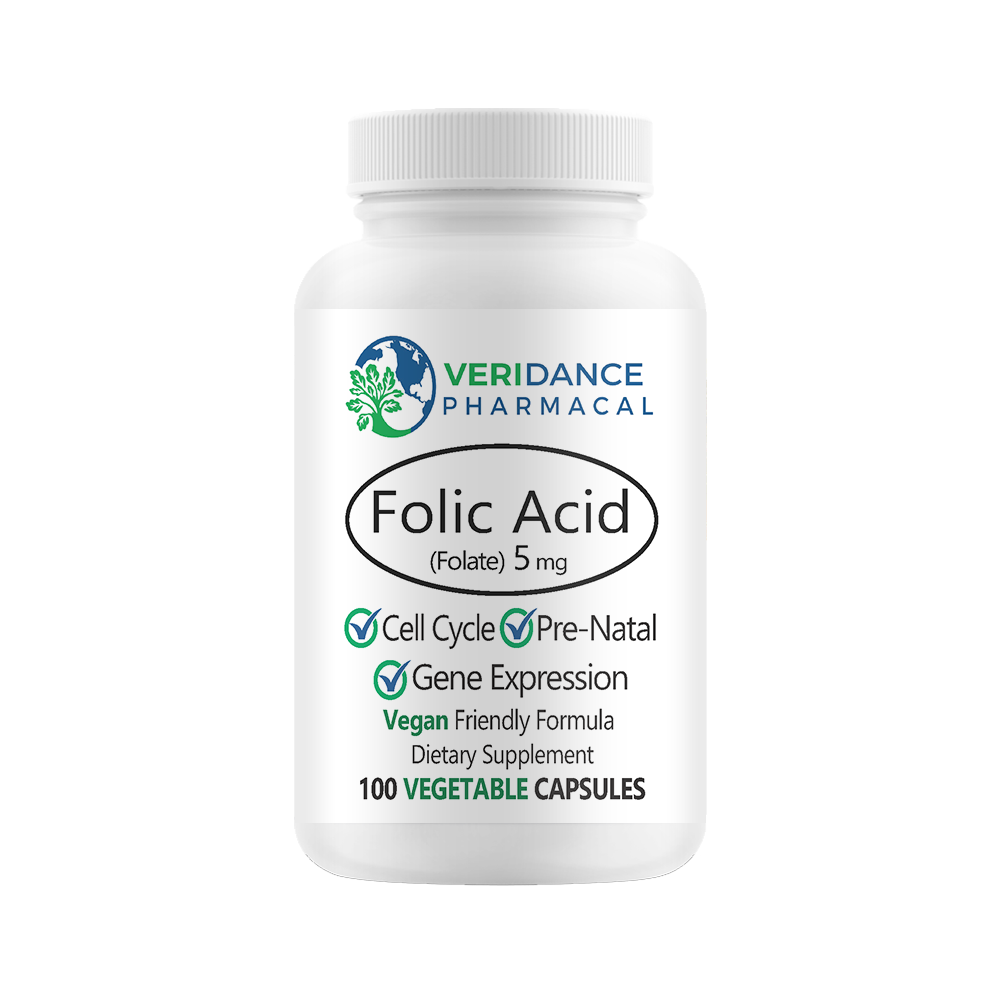
Food-first is a helpful principle, but it does not mean supplements have no place. A folic acid supplement may be appropriate for people with increased needs, low dietary intake or a clinician-confirmed deficiency. The dose and duration depend on the reason it is being taken. Higher-dose treatment for diagnosed deficiency is usually prescribed and monitored, rather than treated as a long-term self-care routine.
Choosing a folic acid supplement sensibly
For general use, choose a product with a clearly stated dose and straightforward ingredients. Take it as directed on the label, and keep supplements somewhere dry and out of children's reach. More is not automatically better: high doses are not a substitute for investigating persistent symptoms or improving overall diet quality.
Check with a pharmacist, GP or midwife before taking folic acid if you are pregnant, breastfeeding, managing a long-term condition or taking regular medication. It is also sensible to ask for advice if you have previously had low B12, follow a very restricted diet or have had weight-loss surgery.
GreenVits offers straightforward, high-potency supplements for people who want practical daily nutrient support, but a supplement should support informed choices, not replace medical assessment where symptoms suggest a deficiency.
If fatigue, mouth changes or breathlessness have become your new normal, give yourself permission to investigate rather than push through. A simple blood test and a few targeted dietary changes can provide far more clarity than trying to diagnose the cause from symptoms alone.