
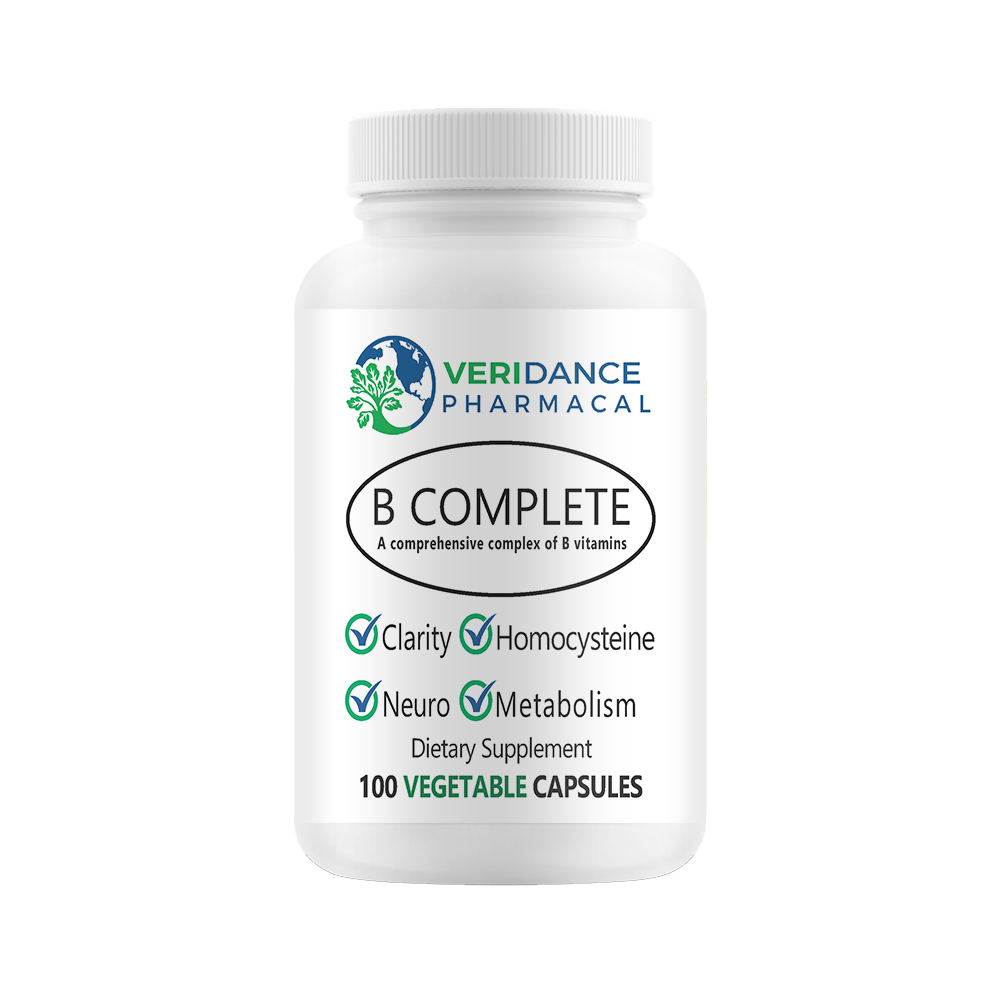
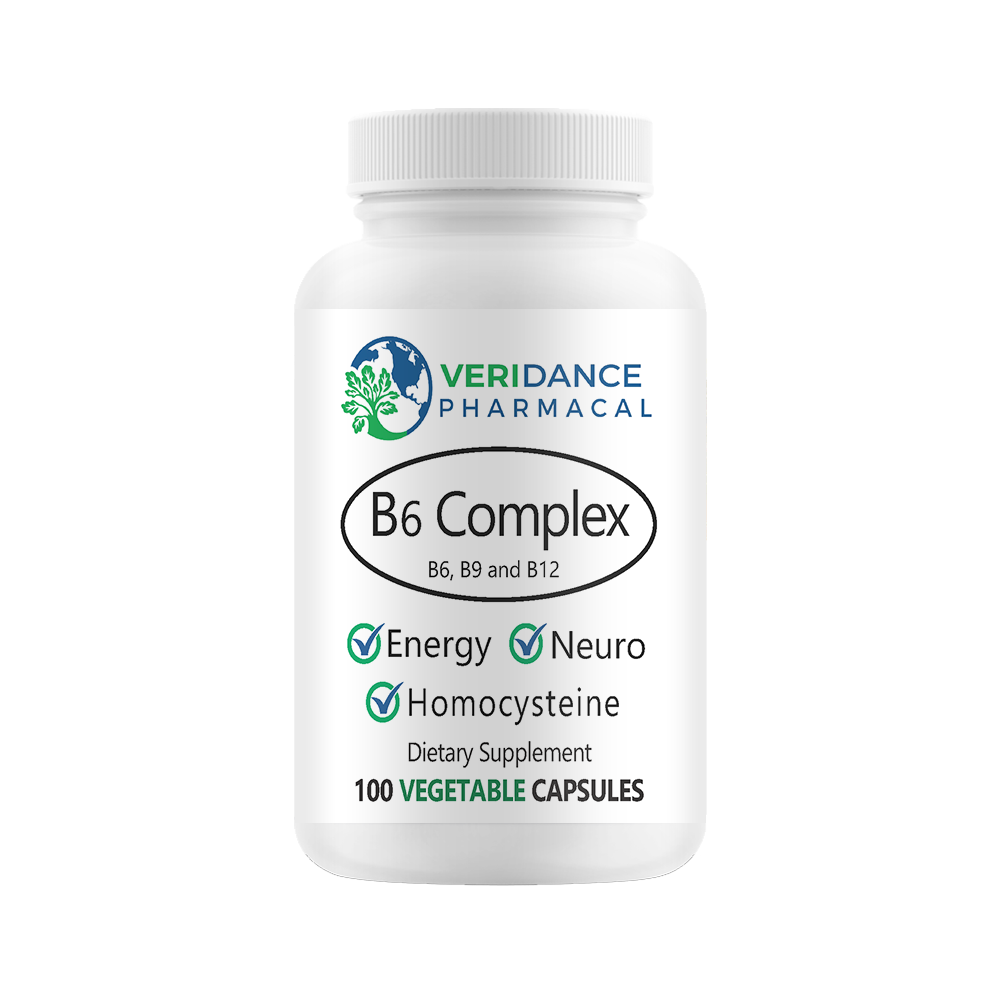
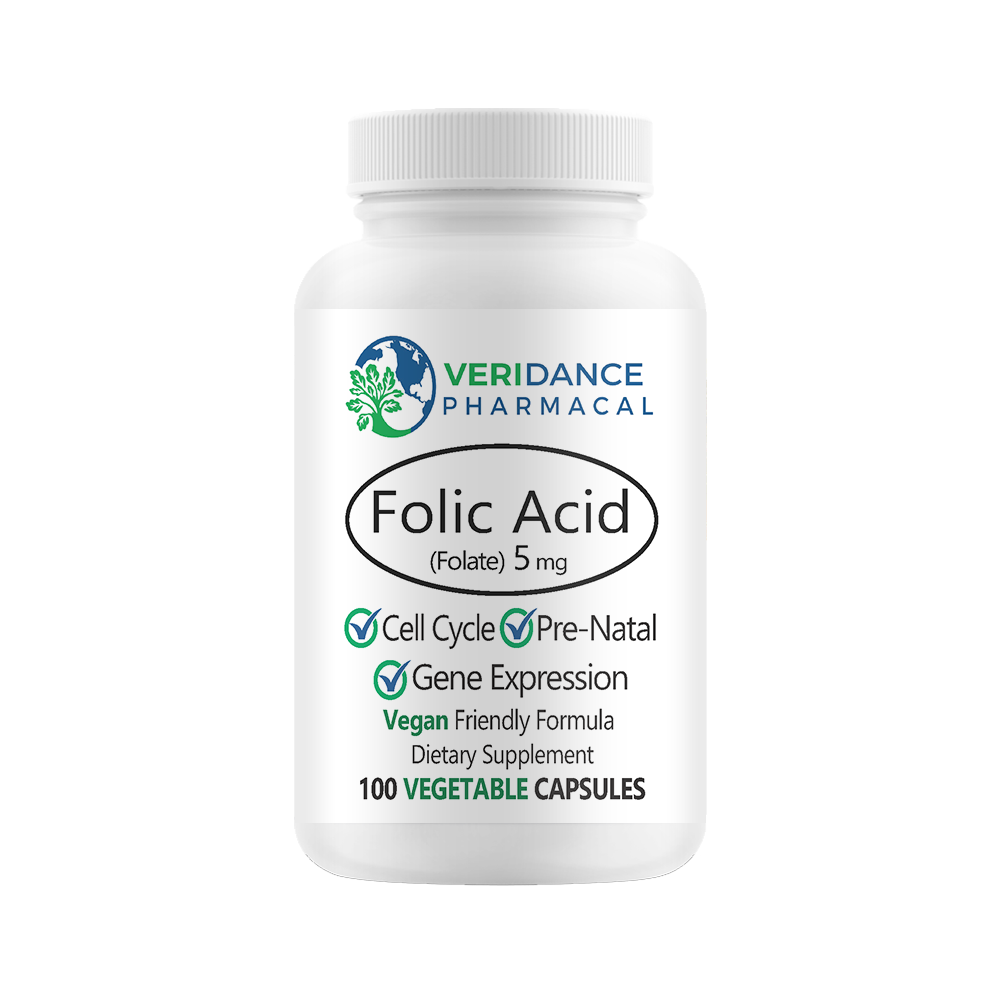


A supplement label can look reassuringly simple while still leaving plenty of unanswered questions. A short ingredient list is a good starting point, but clean label vitamins are not defined by one phrase on the front of a bottle. What matters is whether the formula tells you clearly what you are taking, why it is there and whether the dose suits your needs.
For everyday supplements such as vitamin D3, magnesium, folic acid, omega-3 or a B complex, clarity makes choosing easier. You should be able to identify the active nutrient, its strength per serving, the capsule type and any additional ingredients without needing a chemistry degree.
What does ‘clean label’ mean for vitamins?
In supplements, clean label usually describes a product made with a straightforward formula and without ingredients some shoppers prefer to avoid. This may include unnecessary artificial colours, artificial flavours, excess sweeteners, certain preservatives or bulky fillers. It can also refer to clear allergen information, non-GMO sourcing or vegetable capsules rather than gelatine capsules.
However, the term is not a regulated standard with one fixed legal definition in the UK. Two products can both call themselves clean label while having very different formulas. That is why the back label matters more than broad front-of-pack wording.
A genuinely useful clean-label approach is about transparency rather than perfection. Some supporting ingredients are needed to make a capsule stable, to help a soft capsule retain its shape or to protect a nutrient from deterioration. Their presence is not automatically a problem. The question is whether they have a clear purpose and whether the manufacturer is open about them.
Start with the active ingredient and dose
The first thing to check is the amount of the nutrient you will receive in a daily serving. A label that says “high strength” is less helpful than one that clearly states, for example, the micrograms of vitamin D3, milligrams of magnesium or quantity of EPA and DHA omega-3 fatty acids.
Strength should suit the purpose. A higher dose is not automatically better, particularly if you already take a multivitamin, eat fortified foods or use several supplements with overlapping nutrients. Vitamin D and folic acid are common examples where total intake can add up faster than expected.
It also helps to look at the form of the nutrient. Vitamin B12 may be supplied as methylcobalamin or cyanocobalamin, for instance, while magnesium may be supplied as citrate, glycinate, oxide or another form. These forms can differ in elemental magnesium content, tolerance and suitability. There is no universally best form for every person. Someone seeking a convenient, higher-elemental-magnesium option may make a different choice from someone whose priority is a gentler formula.
With omega-3, look beyond the total fish oil amount. The key figures are usually EPA and DHA, the omega-3 fatty acids within the oil. A large soft capsule can contain less EPA and DHA than you might expect, so comparing those amounts gives a more meaningful picture of potency.
Read the full ingredients list, not just the claims
A clean label should make it easy to see every ingredient. Look for a separate section that identifies the active ingredients and another that lists capsule materials, carriers, anti-caking agents or other excipients.
For many customers, a vegetable capsule made from hypromellose is preferable to a gelatine capsule. For others, gelatine is acceptable. This is a personal dietary choice, not a measure of whether a supplement works. Similarly, oils in vitamin D3 and K2 soft capsules can be useful because these nutrients are fat-soluble. The presence of an oil carrier may support practical use rather than make the formula less clean.
Ingredients worth considering include allergens, ingredients derived from animal sources and any additives you know you do not tolerate well. If you are vegetarian, vegan, pregnant, breastfeeding, taking regular medication or managing a medical condition, your checklist needs to be more specific. A simple formula can still be unsuitable for you.
Avoid treating unfamiliar names as automatic warning signs. “Magnesium stearate”, for example, is often used in small amounts to support manufacturing. Whether you choose to avoid it is up to you, but it is better to make that decision based on clear information than fear of technical-sounding words.
Clean label vitamins should be clear about quality
Ingredient simplicity is only one part of quality. Vitamins and supplements need careful manufacturing, accurate dosing and protection from heat, moisture and light. A minimal label does not prove that those standards have been met.
Look for a manufacturer that provides a full Supplement Facts-style nutrient panel or clear equivalent information, batch details and a best-before date. Packaging should be intact, and products should be stored as instructed. Some nutrients are particularly sensitive to light or oxidation, so opaque bottles, sealed blisters or carefully designed soft capsules can be worthwhile.
For omega-3 products, freshness is particularly relevant. Fish oil can oxidise over time, which affects both quality and taste. A strong, repeated fishy smell or aftertaste may be unpleasant, although it does not by itself tell you everything about a product. Proper packaging, sensible storage and buying from a retailer with stock ready to send all help reduce the chance of receiving an old product.
In the UK, food supplements must be safe and correctly labelled, but they are not assessed in the same way as medicines before reaching the market. Be cautious with products that promise to treat, cure or prevent disease. Legitimate vitamin and mineral claims should relate to recognised nutritional functions, such as vitamin D contributing to the maintenance of normal bones and muscles, or pantothenic acid contributing to normal mental performance.
Match the formula to a real need
The appeal of clean label vitamins is often simplicity: fewer ingredients, fewer decisions and a clear role in your daily routine. That works best when you choose one product for a defined reason rather than collecting bottles with similar benefits.
If you spend little time outdoors, vitamin D may be a practical consideration, especially through autumn and winter. If your diet is low in oily fish, an omega-3 supplement could be worth discussing as part of your wider diet. If you are following a vegan diet, vitamin B12 deserves particular attention. Magnesium is often chosen for muscle function, normal energy-yielding metabolism and reducing tiredness and fatigue, but the right dose and format still depend on your individual circumstances.
A targeted product can be easier to manage than a broad multivitamin when you know what you need. On the other hand, a multivitamin may be more convenient if your diet is varied but inconsistent and you prefer one low-dose product. There is room for both approaches. The key is not to duplicate nutrients without checking the labels.
Questions to ask before buying
Before adding a supplement to your basket, give the label a quick practical test. Can you see the nutrient form and daily dose? Are the non-active ingredients clearly listed? Does the capsule format suit your dietary preferences? Is the intended use realistic and supported by permitted nutrition information rather than dramatic promises?
Also consider whether you will actually take it consistently. A capsule that is difficult to swallow, a serving size of four tablets or a product that needs complicated timing can be less useful than a well-made option that fits easily into breakfast or an evening routine. Convenience is part of value, especially when a supplement is intended for daily use.
For medication interactions and higher-dose products, seek advice from a pharmacist, GP or qualified healthcare professional. This is particularly relevant for vitamin K if you take anticoagulant medication, for folic acid during pregnancy planning, and for any supplement if you have kidney disease, are receiving medical treatment or are taking several medicines.
A simpler standard for everyday supplements
The best clean label vitamins are not necessarily those with the shortest possible ingredients list. They are the ones that make sensible choices easy: a clearly stated nutrient and potency, purposeful supporting ingredients, an appropriate capsule format and honest information about how the product fits into daily wellbeing.
Choose products you can understand, doses you have a reason to take and a routine you can maintain. That is a cleaner approach to supplementation than any marketing phrase on its own.