


A supplement label can look reassuringly simple and still leave plenty of questions. When you are choosing a daily vitamin, magnesium or omega-3 product, clean label supplements are often appealing because they promise a more straightforward approach: clear ingredients, fewer unnecessary extras and a focus on what you actually want to take.
That is a sensible starting point, but “clean label” is not a regulated legal term in the UK. It is not a guarantee that one product is automatically better than another. The value lies in knowing what to look for, matching the product to your needs and reading the full label rather than relying on the phrase alone.
What are clean label supplements?
In everyday supplement shopping, clean label usually describes products made with a short, easy-to-understand ingredient list. The active nutrient is clearly stated, the dosage is easy to find and any other ingredients have a practical purpose, such as making a capsule stable or easy to take.
For many people, a clean label product may also mean one that avoids ingredients they personally prefer not to use. That could include artificial colours, unnecessary sweeteners, certain preservatives, genetically modified ingredients or common allergens. The exact definition varies between brands and shoppers, which is why the label matters more than the marketing term.
A clean label does not have to mean a supplement contains only one ingredient. Capsules, soft capsules and tablets need a format, and some nutrients need a carrier oil or supporting ingredient. Vitamin D3 with K2, for example, combines two nutrients for a specific nutritional purpose. The useful question is whether each ingredient is clearly declared and appropriate to the product.
Why a shorter ingredients list can be helpful
A straightforward formula makes it easier to understand what you are taking each day. This is particularly useful when you are choosing targeted products for energy support, stress support, mood, heart health or bone-related nutrient support. You can check the nutrient, its amount and the serving size without having to interpret a long blend of vague ingredients.
It can also make it easier to avoid ingredients that do not suit you. If you follow a vegetarian diet, for instance, you may want vegetable capsules rather than gelatine capsules. If you have an allergy or sensitivity, a clearly presented allergen statement and full ingredients panel can save time and uncertainty.
However, short does not always mean superior. A high-quality omega-3 soft capsule needs an oil source and an antioxidant to help protect the oil. Magnesium may be paired with a capsule shell or a flow agent used in a very small amount during manufacture. These additions are not automatically a concern. What matters is transparency and whether the formula is designed sensibly.
How to assess clean label supplements
Start with the front of the pack, but do not stop there. Benefit-led wording can help you find the right category, yet the back label tells you what the product actually provides.
Check the active ingredient and daily amount
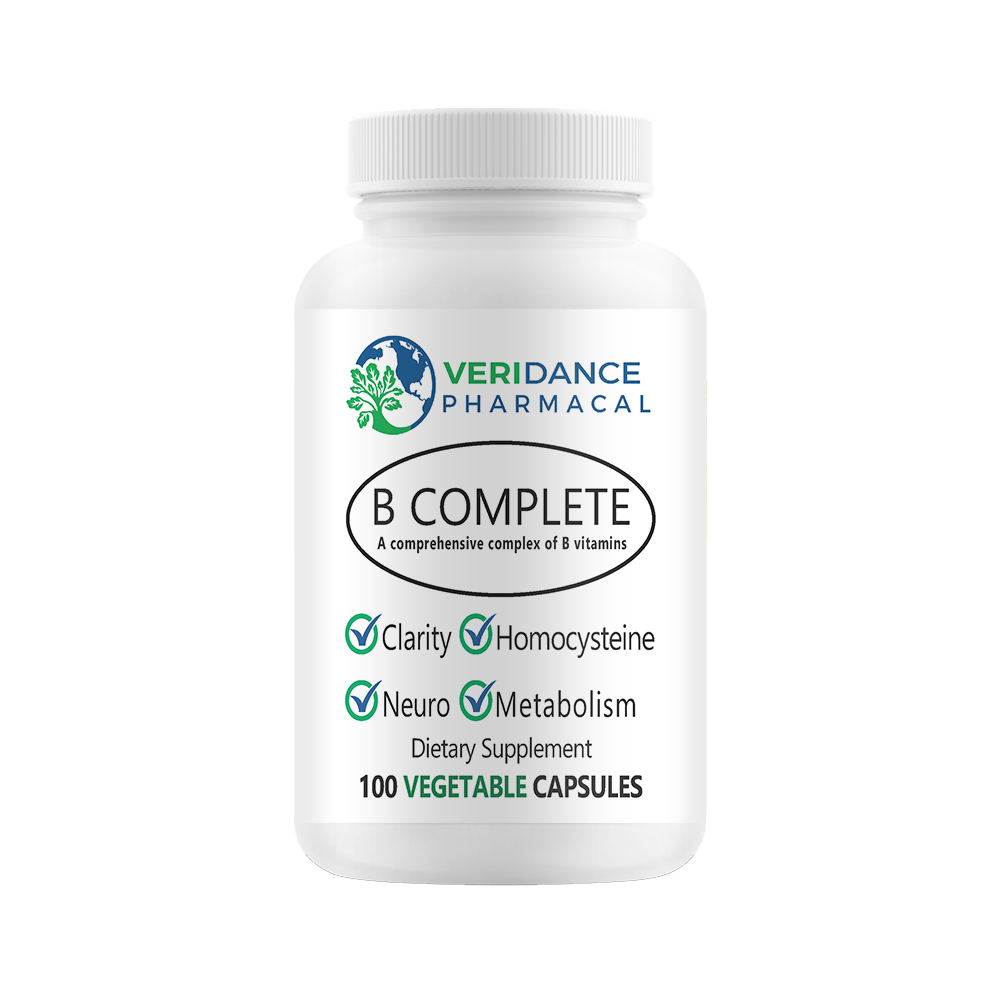
Look for the specific nutrient and the amount supplied per daily serving. “High strength” can be useful, but it only has meaning when the number is shown clearly. A vitamin B complex should list each B vitamin, while an omega-3 product should make clear how much EPA and DHA it provides, not simply the total amount of fish oil.
More is not always better. The right strength depends on your diet, life stage, existing supplements and reason for taking it. High-potency products can be convenient for people who want focused nutritional support, but taking several overlapping products may push your total intake higher than intended.
Read the full ingredients panel
The ingredients panel should identify both the active nutrients and the other ingredients in plain terms. A vegetable capsule may be listed as hydroxypropyl methylcellulose. A soft capsule may contain gelatine, glycerol and purified water. These are normal components of the delivery format, and clear declaration is what allows you to choose confidently.
Be cautious with products that hide amounts inside a “proprietary blend” or make it hard to tell how much of each ingredient is included. If the dose is unclear, it is harder to judge whether the product fits your routine.
Look for information that supports informed choice
A trustworthy label should show directions for use, a daily serving size, warnings where relevant and a best-before date. It should also identify the business responsible for the product. For UK shoppers, a product presented as a food supplement should not be marketed as a replacement for a varied, balanced diet or a substitute for medical advice.
If you are pregnant, breastfeeding, taking prescribed medication or managing a medical condition, speak with a pharmacist, GP or qualified healthcare professional before starting a new supplement. This is especially relevant for nutrients that may interact with medicines, including vitamin K-containing products and some blood-thinning medication.
Match the formula to your goal
The cleanest-looking label is not useful if the product does not suit your nutritional goal. Start with one clear reason for adding a supplement rather than buying a large selection at once.
Vitamin D is a practical example for many UK adults, particularly during the autumn and winter months when sunlight exposure is limited. A clearly dosed Vitamin D3 product can be a simple option for those who need to support their intake. Vitamin D contributes to the normal function of the immune system and the maintenance of normal bones and teeth.
Magnesium is often chosen by people looking to support normal muscle function, the nervous system and a reduction in tiredness and fatigue. The form and dose matter, as tolerance can vary from person to person. A transparent product lets you see exactly which magnesium compound is used and how much elemental magnesium is provided.
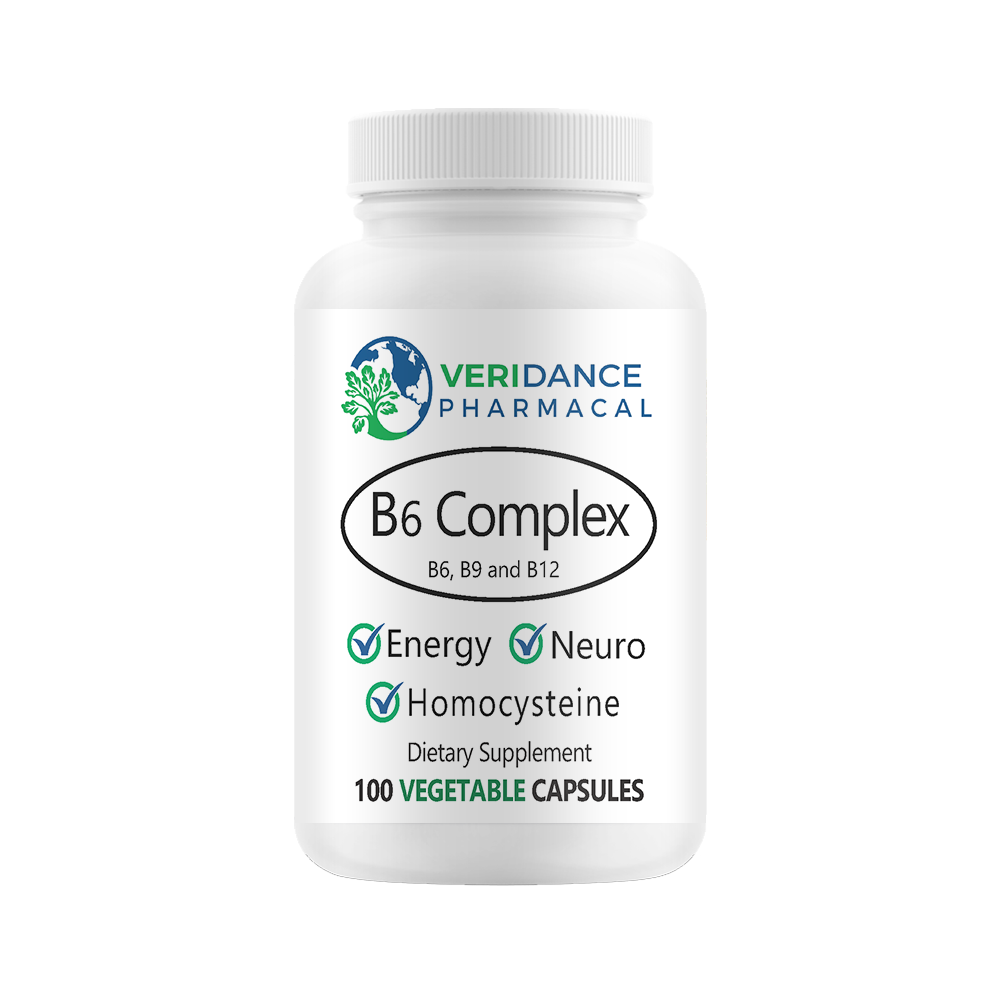
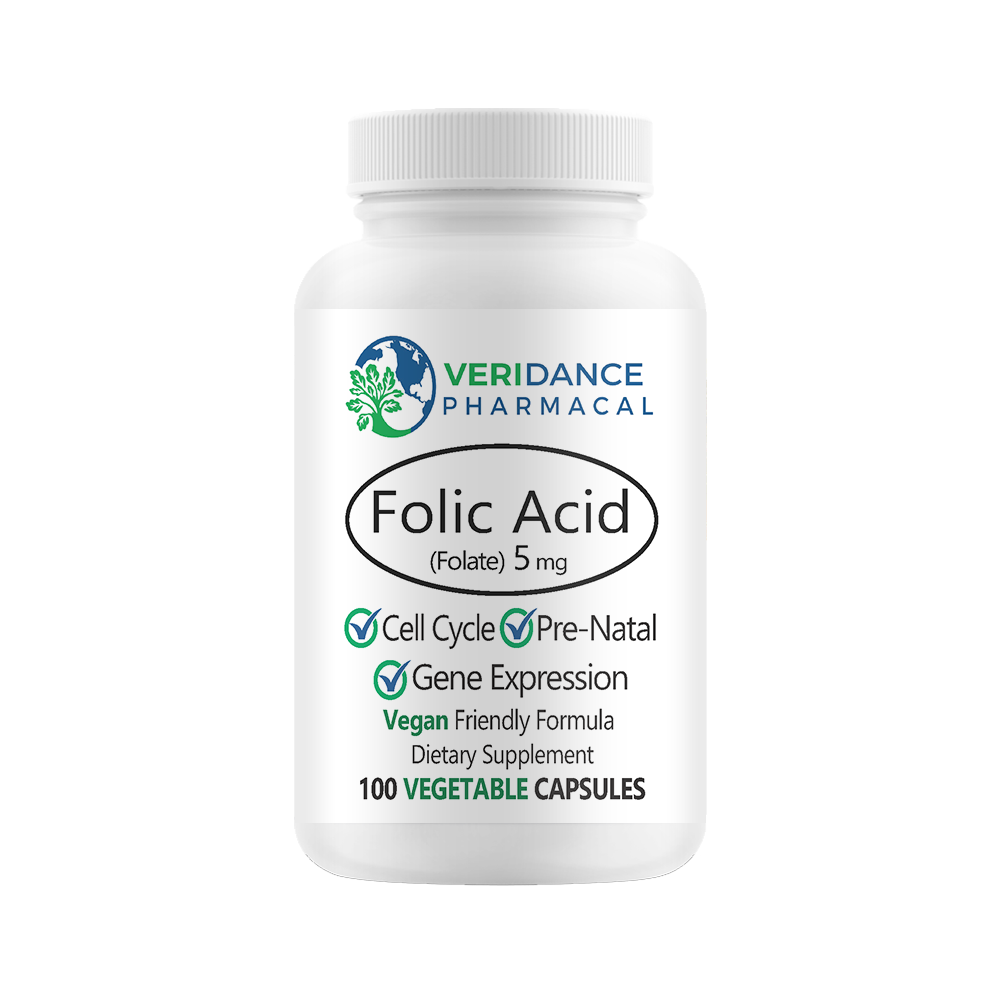
For those seeking targeted support around energy metabolism and psychological function, a well-labelled vitamin B complex can make sense. Folic acid is a more specific choice and is particularly relevant for women who are planning a pregnancy, following professional guidance on the appropriate daily amount.
With omega-3, look beyond broad heart-health language and check the stated EPA and DHA content. The source, capsule format and freshness all play a part in whether it is a product you will be happy to take consistently.
Natural does not mean risk-free
“Natural” is another word that can be useful but needs context. Nutrients can be sourced from natural materials, produced through controlled processes or supplied in forms identical to those found in food. None of these descriptions alone tells you whether a supplement is right for you.
A natural source may matter for your dietary preferences, while purity testing, accurate dosage and responsible manufacturing matter for everyone. The most dependable choice is one with honest labelling and a formula you understand, rather than one relying on broad claims.
This is also why it is worth avoiding the idea that supplements can compensate for every gap in a routine. They are designed to supplement the diet. Regular meals, a varied food intake, sleep, movement and time outdoors where appropriate remain the foundations of everyday wellbeing.
A practical buying routine
Before adding a supplement to your basket, take a minute to check three things: the active nutrient and dose, the full ingredients list, and whether it overlaps with anything you already take. That small habit can prevent duplicate ingredients and make your daily routine much simpler.
Choose a format you are genuinely comfortable taking. Vegetable capsules may suit people avoiding gelatine, while soft capsules can be convenient for oil-based nutrients. Consistency matters more than buying an elaborate formula that sits unopened in the cupboard.
For online orders, clear product information and dependable UK fulfilment add useful reassurance. You should be able to see the product details before you buy, then receive it promptly enough to maintain your routine without unnecessary gaps.
Clean label supplements are not about chasing perfection or fearing every unfamiliar ingredient. They are about choosing products with a clear purpose, honest information and a formula that fits your preferences. When the label is easy to understand, it becomes easier to make a calm, confident choice for the health support you want each day.