


That mid-afternoon slump usually does not mean you need another coffee. More often, it is a sign that your routine, diet, sleep, or nutrient intake is not properly supporting steady energy. If you are looking for the best vitamins for daily energy, it helps to focus on nutrients that support normal energy-yielding metabolism rather than quick fixes that leave you feeling flat later.
The most useful place to start is with the vitamins and minerals that help your body convert food into usable energy, support the nervous system, and reduce tiredness and fatigue where appropriate. That is why certain B vitamins, vitamin D, magnesium and omega-3s come up so often in everyday wellness routines.
Best vitamins for daily energy - what actually helps?
Energy support is rarely about one miracle ingredient. In practice, it is usually about covering the basics well. A nutrient can be helpful if you are low in it, if your diet is inconsistent, or if your lifestyle places higher demands on your body.
For many adults, the most relevant options are vitamin B complex, vitamin B12, folic acid, vitamin D3, and magnesium. Omega-3 is not a vitamin, but it can still play a useful supporting role in overall wellbeing, especially where mood, focus and heart health are part of the bigger picture.
Vitamin B complex for everyday energy support
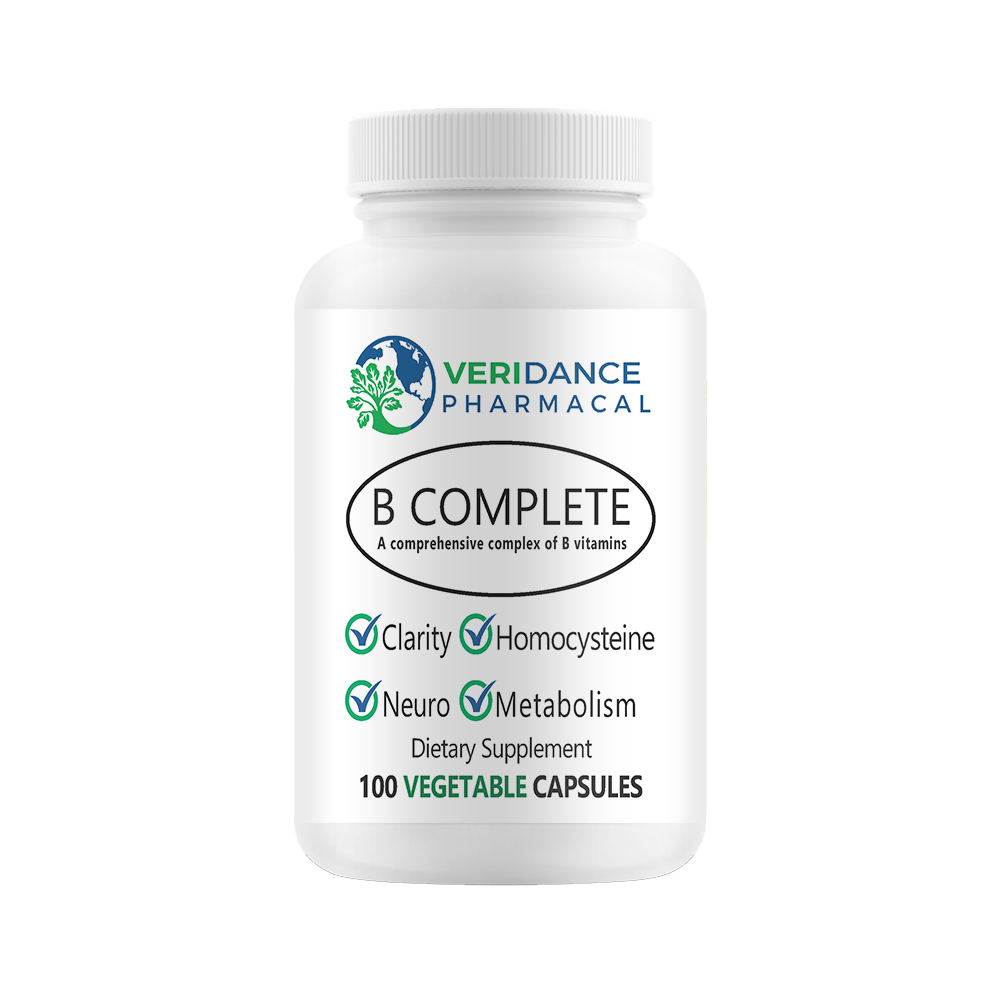
If there is one place to begin, it is usually the B vitamins. They are closely involved in normal energy-yielding metabolism, which is simply the process of turning carbohydrates, fats and protein from food into usable energy.
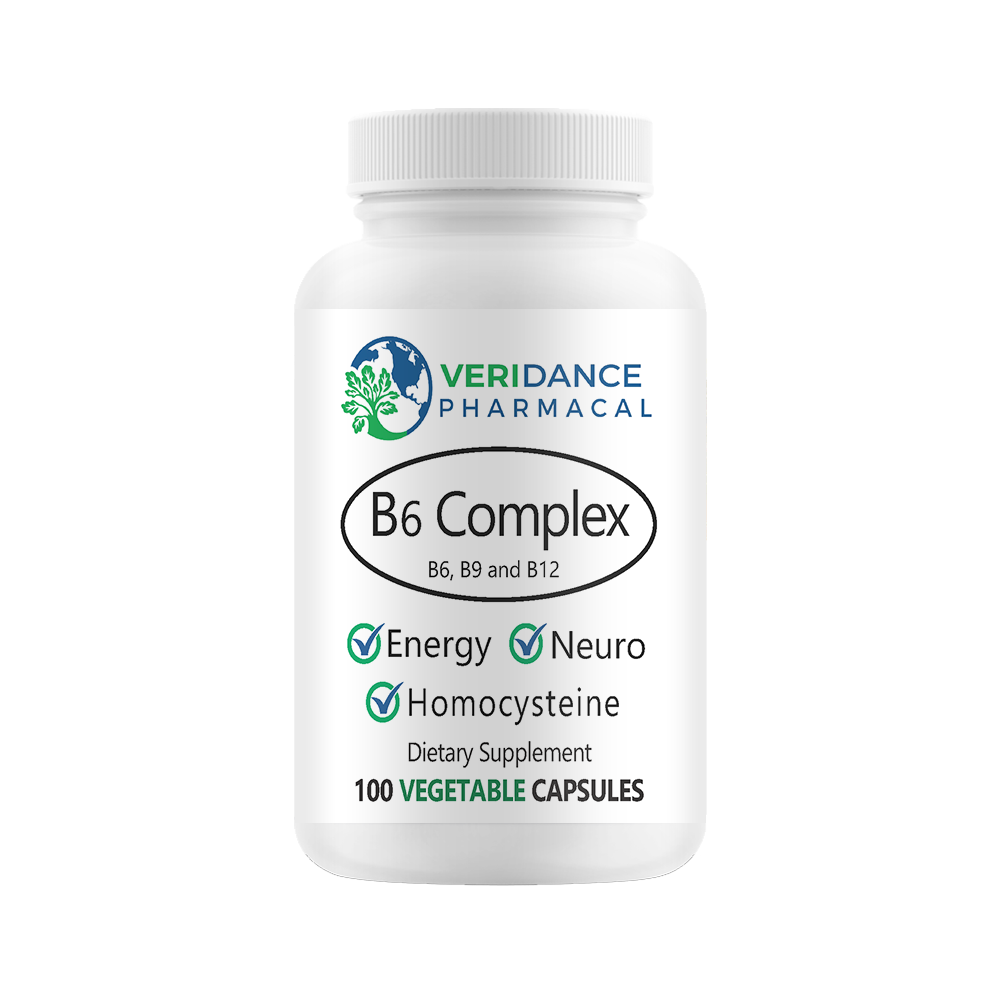
A good vitamin B complex gives you a broader range of support than taking one B vitamin alone. This matters because the B group tends to work together. Vitamins B1, B2, B3, B5, B6, B7, B9 and B12 each play slightly different roles, but several are linked to energy production, psychological function and the reduction of tiredness and fatigue.
This can be especially relevant for busy professionals, parents, shift workers, and anyone whose meals are often rushed or repetitive. If your diet is not consistently varied, a high-strength B complex can be a practical way to support daily intake.
Vitamin B12 - especially relevant for some diets
Vitamin B12 deserves separate attention because it is one of the most talked-about nutrients for tiredness. It contributes to normal energy-yielding metabolism, normal red blood cell formation, and the normal functioning of the nervous system.
People who eat little or no animal-based foods often pay close attention to B12, and for good reason, as it is naturally found mainly in animal products. Older adults and people with certain digestive issues may also need to be more mindful of their intake.
That said, B12 is not automatically the answer to every low-energy day. If your levels are already adequate, taking more is not the same as creating endless energy. It is best viewed as one important part of a sensible daily routine, not a substitute for sleep, food or hydration.
Folic acid and why it is often paired with B vitamins
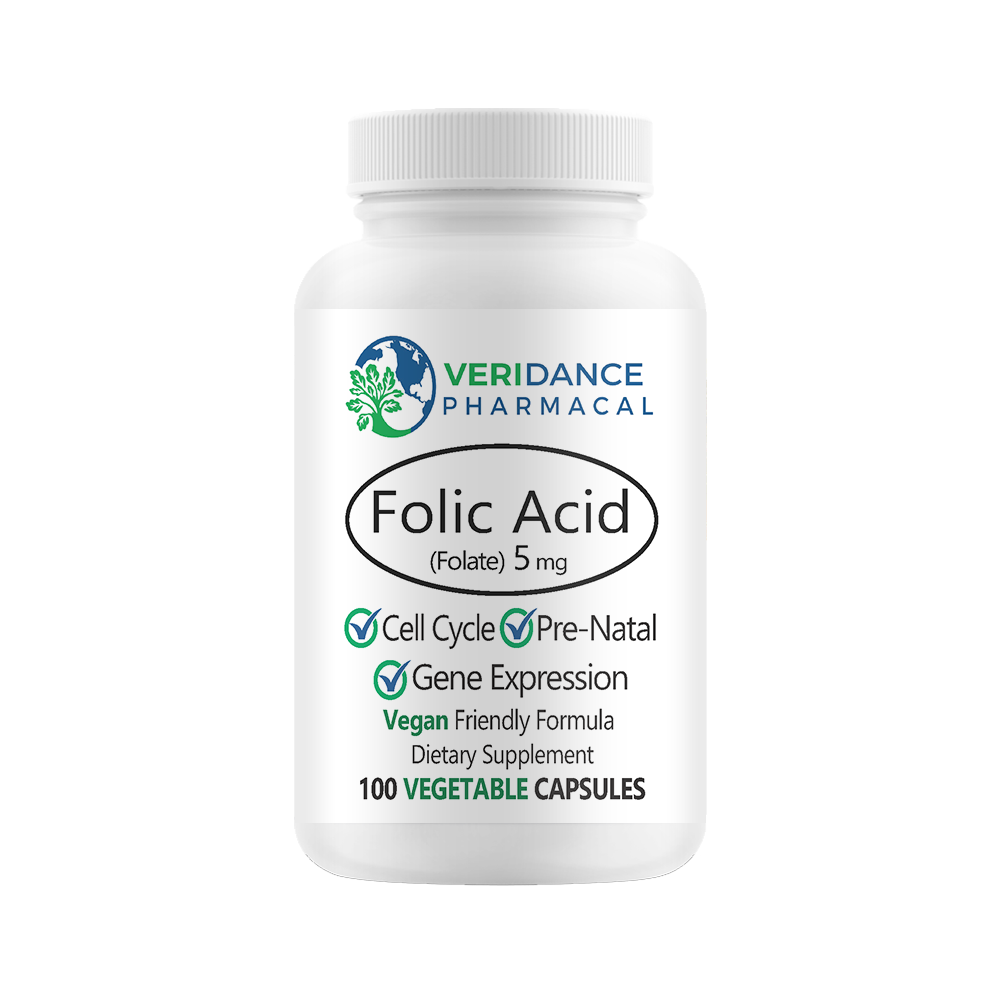
Folic acid, the supplemental form of folate, contributes to the reduction of tiredness and fatigue and supports normal psychological function. It also works closely with vitamin B12 in the body.
For some people, folic acid is part of a broader energy support approach rather than a standalone supplement. It may make most sense when used alongside a B complex, especially if you want more complete support for normal metabolism and nervous system function.
This is where a focused supplement range can be useful. Rather than taking an overfilled multivitamin you do not really need, many people prefer to choose specific nutrients that match their goals.
Where vitamin D fits into energy and wellbeing
Vitamin D is not usually the first thing people think of for energy, but it can be highly relevant, particularly in the UK where sunlight exposure is limited for much of the year.
Low vitamin D status is not always obvious. Some people simply feel below par, especially during darker months. While vitamin D is best known for immune function, bones and muscles, it can still matter as part of your wider daily wellbeing routine.
If you spend most of your day indoors, cover your skin outdoors, or get very little sunshine in autumn and winter, vitamin D3 is worth considering. Some people choose vitamin D3 combined with K2 as part of a practical daily supplement plan, particularly where bone support is also a priority.
The main point is this: energy does not exist in isolation. If your muscle function, mood, or general wellbeing feels off, addressing vitamin D may help support the bigger picture.
Magnesium for tired, tense days
Magnesium is often overlooked in energy conversations, yet it plays a role in normal energy-yielding metabolism and contributes to the reduction of tiredness and fatigue. It also supports normal muscle function and the normal functioning of the nervous system.
This makes it especially useful for people who feel both tired and tense. If your energy dips come with poor sleep, muscle tightness, or a feeling that your body never quite switches off, magnesium may be a sensible choice.
Different forms of magnesium are available, and the best one can depend on your needs and your digestion. Some people prefer forms known for gentler absorption, while others are simply looking for a convenient daily capsule they can take consistently.
Consistency matters more than chasing trends. A well-made magnesium supplement taken regularly is usually more useful than constantly changing products in search of a dramatic overnight effect.
Do omega-3s help with daily energy?
Omega-3 supplements are not direct energy supplements in the same way B vitamins and magnesium are. Even so, they can still support the conditions that make good energy easier to maintain.
When mood, concentration and heart health are supported, many people feel more balanced overall. That can have a knock-on effect on how energised and capable they feel across the day.
This is a good example of why daily energy is not only about avoiding fatigue. It is also about steady focus, resilience and feeling well enough to get through work, home life and exercise without constantly running on empty.
How to choose the right supplement for your routine
The best choice depends on why your energy feels low in the first place. If your diet is patchy or you want broad nutritional support, a vitamin B complex is often the most practical starting point. If you follow a vegetarian or vegan diet, B12 may deserve closer attention. If the darker months hit you hard, vitamin D3 may be more relevant. If stress, restless sleep and muscle tension are part of the picture, magnesium may be the better fit.
For some people, a simple combination works well, such as a B complex in the morning and magnesium later in the day. Others prefer a more targeted routine built around one or two products they can stick with.
Try not to judge a supplement by flashy claims. Look for clear labelling, sensible potency, convenient capsule formats and products that fit easily into everyday life. A supplement you remember to take is far more useful than an impressive one left in the cupboard.
Best vitamins for daily energy if you want to keep it simple
If you want a straightforward answer, start with the nutrients most closely linked to normal energy metabolism and tiredness: B vitamins and magnesium. Then consider vitamin D if your lifestyle or the season suggests you may need it. Add omega-3 if your broader wellbeing goals include mood, heart health or general daily balance.
For many adults, that is enough. You do not need a complicated stack of ten different products to support better everyday energy. You need a routine that makes sense, matches your lifestyle and is easy to maintain.
It is also worth remembering that supplements work best alongside the basics. Skipping meals, sleeping poorly and relying on caffeine all day can make even the best supplement routine feel underwhelming. Vitamins and minerals are there to support your system, not to cover for a routine that is draining you every day.
If you are building a daily wellness routine, keep it clean and practical. Choose targeted supplements with clear benefits, give them time, and pay attention to how you actually feel over a few weeks rather than a few hours. Steady energy is usually built that way - calmly, consistently, and with the right support in place.