

Some people notice stress first in their thoughts. Others feel it in their body - tight shoulders, poor sleep, low patience, a shorter fuse, or that drained feeling by mid-afternoon. If you are looking for the best supplements for stress support, it helps to keep things simple. The right choice often comes down to what kind of pressure you are under, how your diet looks, and whether low mood, tiredness or sleep disruption are part of the picture too.
Stress support is one of those areas where more is not always better. A smart routine usually starts with a few well-chosen nutrients taken consistently, rather than a cupboard full of products used on and off. That approach suits busy adults who want clarity, quality and a supplement they can actually stick with.
What makes the best supplements for stress support?
A useful stress support supplement should do one of three things well. It may help support the nervous system, help reduce tiredness and fatigue, or help fill a gap in the diet that can make stress feel harder to manage. In practice, that often points to magnesium, B vitamins, vitamin D, and omega-3s.
The best option depends on your starting point. If stress leaves you feeling physically tense, magnesium may be the obvious place to begin. If you feel mentally worn down, low in energy or stretched thin, a good vitamin B complex can make more sense. If darker months tend to affect your mood, vitamin D may deserve a closer look. And if your diet is low in oily fish, omega-3 can be a practical addition.
That is also why broad claims can be unhelpful. There is no single capsule that suits every person under pressure. Good stress support is targeted, straightforward and realistic.
Magnesium for daily stress support
Magnesium is one of the first supplements many people consider for stress support, and for good reason. It contributes to normal psychological function, normal functioning of the nervous system, and a reduction of tiredness and fatigue. That combination makes it especially relevant when stress seems to show up both mentally and physically.
People often describe magnesium as a good fit when they feel wired but tired. You may be getting through the day, but not comfortably. Muscles feel tight, rest feels patchy, and the body never seems to fully switch off. In that situation, magnesium can be a sensible daily option.
The detail that matters is the form and the dose. Different magnesium formulations can vary in strength and tolerance. Some people do well on one type and not another, so it can take a little adjustment. A high-potency option may be attractive, but consistency matters more than chasing the highest number on the label.
If your diet is low in magnesium-rich foods such as leafy greens, nuts, seeds and wholegrains, supplementation may be even more relevant. It is not a magic answer to a stressful week, but it can be a dependable part of a steady routine.
Vitamin B complex for energy and resilience
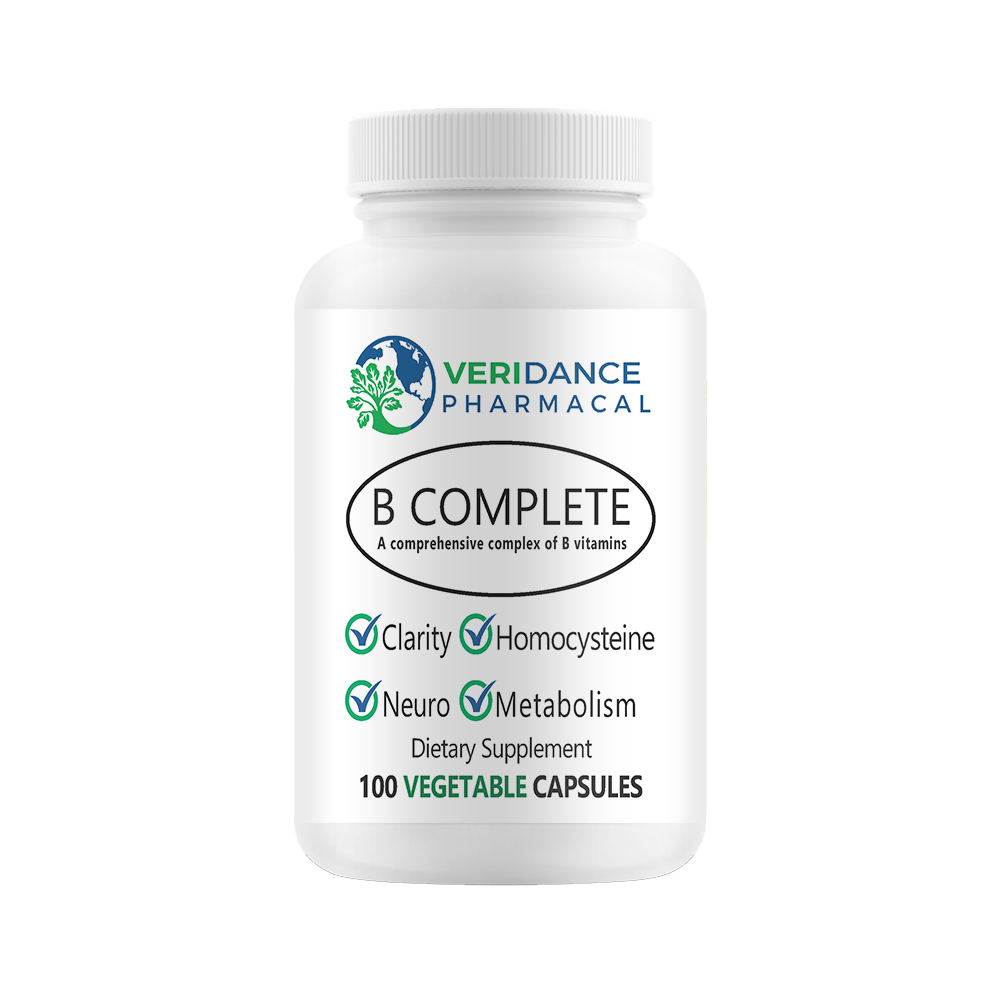
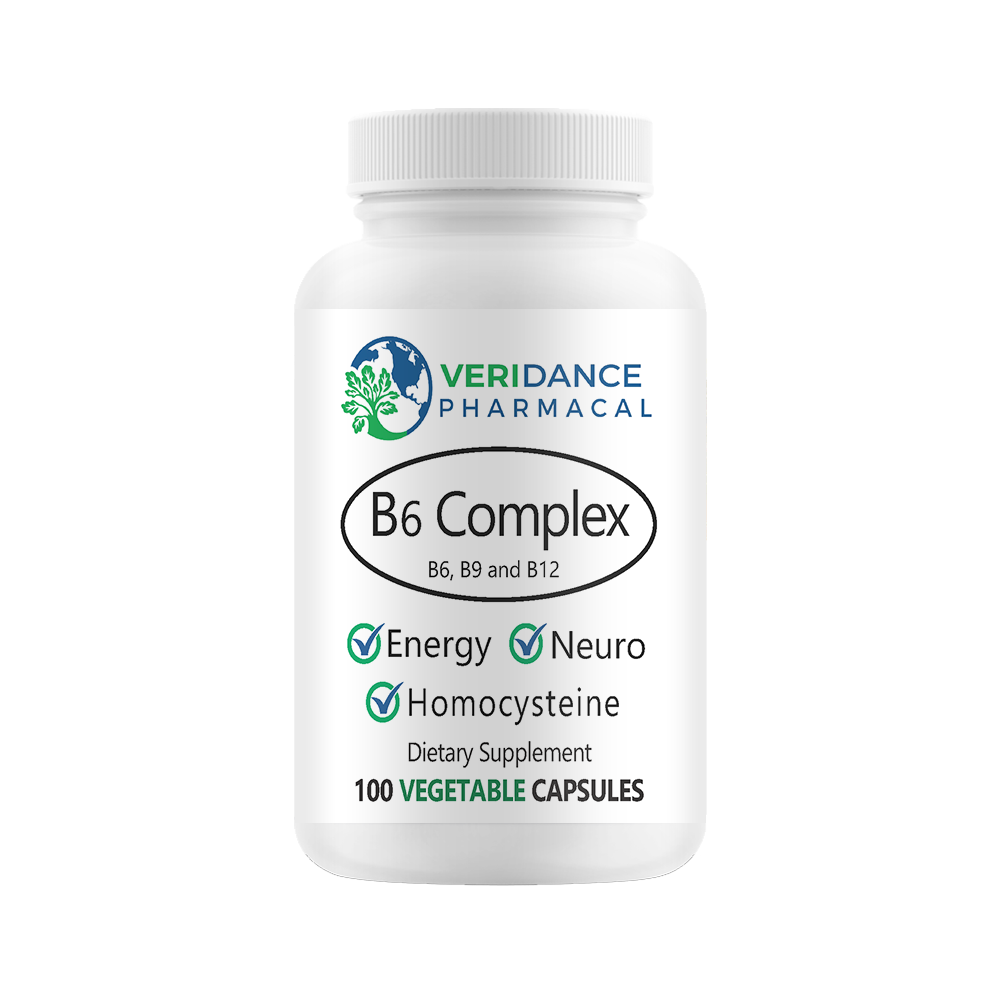
When stress and tiredness arrive together, vitamin B complex is often one of the most practical choices. Several B vitamins contribute to normal psychological function, normal energy-yielding metabolism, and normal functioning of the nervous system. That makes them particularly useful for people who feel mentally flat, overextended or constantly running on reserve.
A good B complex is often better than randomly picking one or two B vitamins in isolation, unless you have been advised otherwise. These nutrients work in related areas, and many people prefer the simplicity of one focused daily capsule.
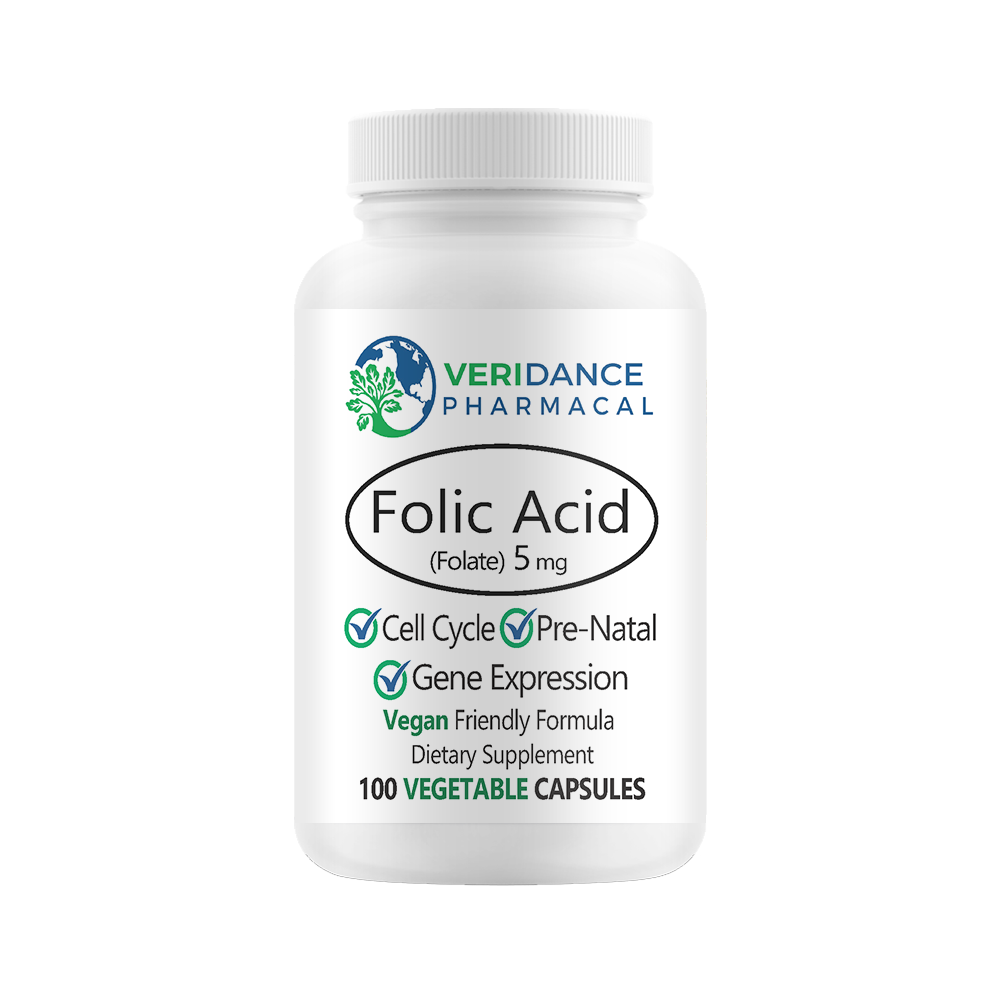
B12 and folate are especially worth noting where low energy is part of the picture. Vitamin B6 can also be relevant for hormonal balance, which may matter if stress symptoms feel worse at certain points of the month. For adults with demanding work schedules, family pressure or long days, a B complex can be one of the more useful foundations.
There is a trade-off, though. B vitamins can support energy, but they are not designed to sedate or calm you in the way some people expect. If your main issue is physical restlessness in the evening, magnesium may feel like the better fit. If your stress is more about mental drain and fatigue, B vitamins may offer more obvious support.
Vitamin D and stress support in the UK
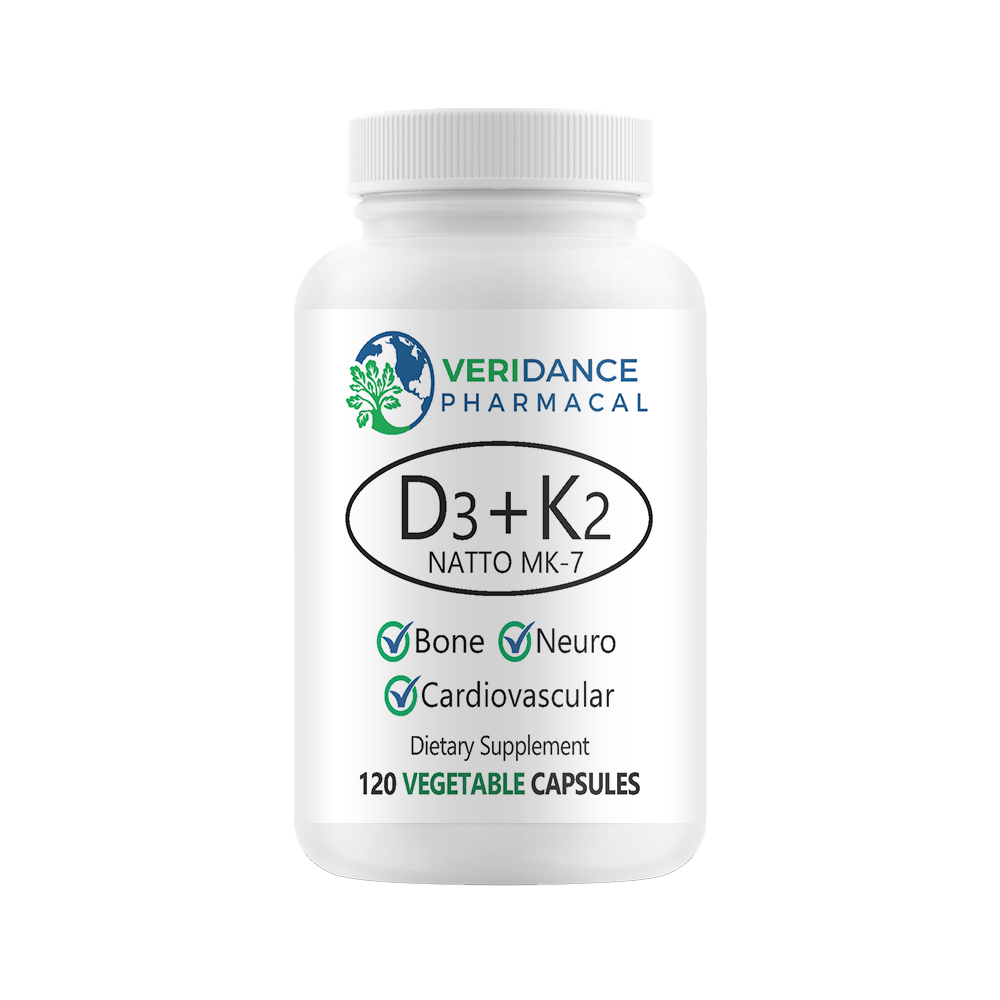
Vitamin D is not usually the first supplement people associate with stress, yet it can still matter. In the UK, many adults are aware of vitamin D mainly in relation to immune health and bones, but it also supports normal muscle function and overall wellbeing. For some people, low vitamin D status can sit quietly in the background while mood and energy feel less than ideal.
This becomes more relevant in autumn and winter, when sunlight exposure drops. If you notice that your motivation, mood or general sense of wellbeing tends to dip in the darker months, vitamin D is worth considering as part of a broader stress support routine.
It is not the most targeted supplement for acute pressure at work or a difficult week at home. But if your base level is low, correcting that can make everyday stress feel more manageable. This is a good example of why the best supplements for stress support are not always the most fashionable ones. Sometimes the most useful choice is the nutrient you are simply not getting enough of.
Omega-3 for mood and everyday wellbeing
Omega-3 supplements are often chosen for heart and brain support, but they also have a place in conversations about mood and resilience. If you rarely eat oily fish, an omega-3 product may be a practical way to support everyday wellbeing.
This is usually a longer-term decision rather than a quick fix. Omega-3 is not something most people take for a week and instantly feel. It is more about supporting your nutritional baseline over time. That suits adults who prefer a steady, preventative approach rather than reacting only when stress peaks.
Quality matters here. Purity, strength and consistency are more useful than overcomplicated formulas. If you already take several products, omega-3 can pair well with a focused magnesium or vitamin B routine without making supplementation feel excessive.
How to choose the right supplement for your stress pattern
The simplest way to choose is to match the supplement to the pattern you notice most.
If stress leaves you tense, physically tired and not quite able to switch off, magnesium is often the most natural place to start. If you feel depleted, low in energy and mentally overstretched, a vitamin B complex may be the better first step. If your mood and motivation dip during the colder months, vitamin D may be the missing piece. If your diet is light on fish and you want broader daily support, omega-3 can be a sensible addition.
There is nothing wrong with combining products when the need is clear, but piling on too many at once makes it harder to know what is helping. A cleaner approach is usually better. Start with one or two supplements that fit your situation, give them time, and build from there if needed.
It is also worth checking the basics before buying. Look at potency, capsule format, serving size and how easily the product fits into your day. The best supplement is the one you will actually take consistently. GreenVits keeps this straightforward with focused, high-potency options designed around clear wellness outcomes rather than unnecessary extras.
A quick word on expectations and safety
Supplements can support the body through periods of pressure, but they do not remove the source of stress. If poor sleep, an overloaded schedule, too much caffeine or a chaotic routine are fuelling the problem, even the best product will have limits. Think of supplements as support, not a substitute for rest, food, movement and boundaries.
If you take medication, are pregnant, breastfeeding, or have a medical condition, it is sensible to check with a healthcare professional before starting anything new. The same applies if symptoms are severe or persistent. Stress can sometimes overlap with anxiety, low mood or other health issues that deserve proper attention.
A good supplement routine should feel supportive, not complicated. Choose quality over clutter, stay consistent, and give your body a fair chance to respond. Often, the most effective stress support starts with one well-matched product and a little more steadiness in your day.