


You can usually spot a low-effort supplement before you even open the bottle. The label shouts a big number, the price looks tempting, but the detail is vague. If you have ever wondered what are high quality vitamins, the answer is not simply “the strongest” or “the most expensive”. Quality comes from how well a supplement is made, how clearly it is labelled, and whether the form inside is one your body can actually use.
For most people, choosing vitamins is less about chasing trends and more about daily confidence. You want to know what you are taking, why you are taking it, and whether it fits your health goals. That might be energy and stress support, bone health, heart health, or simply filling a known gap in your diet. High quality vitamins help make that decision easier because they are designed around clarity, consistency and usefulness.
What are high quality vitamins in practical terms?
High quality vitamins are supplements made with reliable ingredients, accurate dosages and clear manufacturing standards. They should contain what the label says they contain, in a form that is suitable for the intended benefit, without unnecessary fillers or confusing claims.
That sounds simple, but this is where products often differ. Two bottles may both say Vitamin D3, Magnesium or Omega-3 on the front, yet the actual quality can vary quite a lot. One may use a well-chosen active form and a sensible dose. Another may rely on cheaper raw materials, vague blend names or extra ingredients that add little value.
A good supplement should also be easy to take consistently. If the capsule size is awkward, the format is inconvenient, or the serving size is unrealistic, even a technically good formula can become poor value in real life. Quality is not just about the ingredient itself. It is also about whether the product works well as part of a daily routine.
The signs of a high quality vitamin
The first sign is transparency. A high quality product tells you exactly what is in it, how much is included per serving, and what form is being used. You should not have to guess whether you are getting a meaningful dose or a token amount added for marketing.
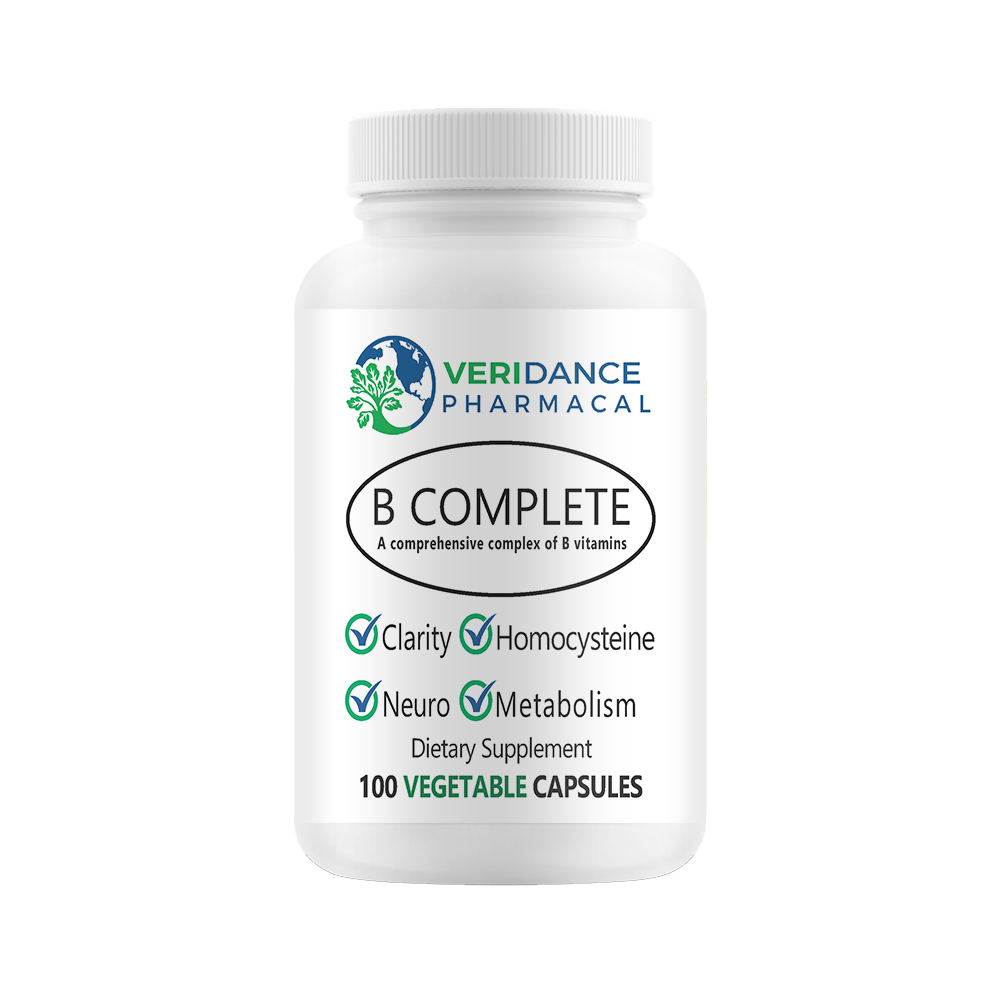
The second sign is appropriate potency. Higher strength is not always better, but it should be purposeful. If someone is choosing a Vitamin B Complex for energy support or a Vitamin D3 supplement for everyday bone and immune support, they usually want a clear, effective dose rather than a watered-down formula that looks impressive only because of the bottle design.
The third sign is ingredient choice. With minerals especially, the form matters. Magnesium oxide, citrate and glycinate are not identical. Some forms are chosen for cost, others for absorption, and others for specific digestive tolerance. The same principle applies across the category. A quality supplement should reflect a reasoned formulation, not just the cheapest route to a label claim.
The fourth sign is a clean formula. That does not mean every additive is bad. Capsules need structure and stability. It does mean the non-active ingredients should have a purpose, and the product should avoid unnecessary clutter where possible.
Why the form of the nutrient matters
When people ask what are high quality vitamins, they often focus on the nutrient name and miss the form. Yet the form can make a real difference to how useful a supplement is.
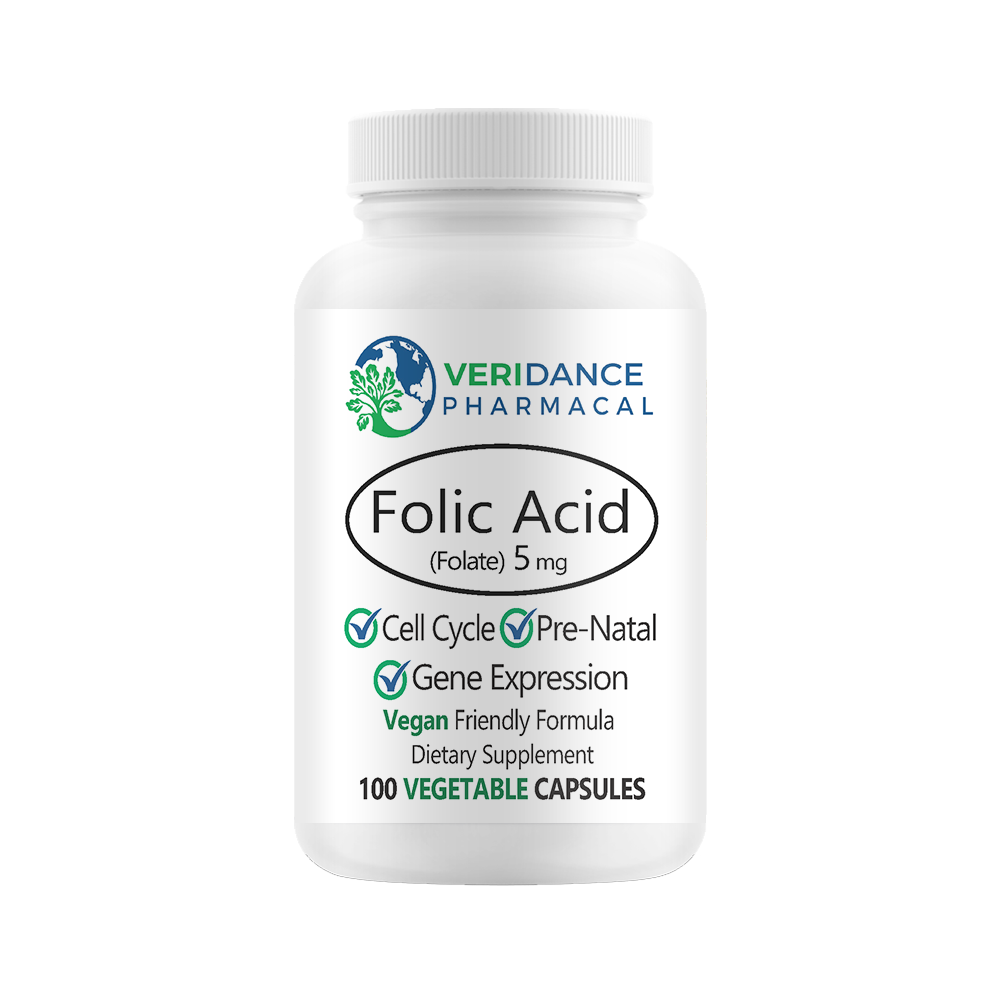
Take Vitamin D as an example. Vitamin D3 is generally the preferred form in supplements for supporting vitamin D levels compared with D2. With folate, many people look closely at whether the product contains folic acid or a methylated folate form, depending on personal preference and health advice. With magnesium, the choice between citrate, glycinate and oxide can affect both tolerance and the reason someone chooses it in the first place.
This does not mean there is one perfect form for every person. It depends on your needs, your budget and how your body responds. A simpler, well-made product can still be the right choice if it matches your goal and you are happy taking it consistently.
Potency matters, but only when it makes sense
A supplement can be high strength and still not be high quality. It can also be moderate strength and offer excellent value if the dose is appropriate and the ingredient is well selected.
Potency should always be considered alongside purpose. If you want a magnesium product for regular daily use, the best option may not be the one with the biggest number on the front. If you want an Omega-3 supplement, the key question is often how much EPA and DHA you are getting, not just the total fish oil amount. If you want a Vitamin B Complex, balance across the formula may matter more than one standout ingredient included at an excessive level.
This is where quality and practicality meet. A good product gives you enough to make daily use worthwhile, without creating confusion or unrealistic expectations.
What to check on the label
A label should answer basic questions quickly. What is the nutrient? What form is it in? How much do you get per capsule or soft capsule? How many do you need to take each day? Is the product suitable for your preferences, such as vegetable capsules?
It should also be clear about pack size and servings. Some products seem cheaper until you realise the daily serving is three or four capsules. Others are easier to compare because the dose is stated cleanly and the format is straightforward.
You should also look for sensible language. High quality vitamins do not need exaggerated promises. Be wary of labels that lean too heavily on miracle-style claims or broad statements that try to make one nutrient sound like a cure-all. Reliable supplements are usually more direct. They explain the product and its intended benefit without overselling it.
What high quality vitamins are not
They are not automatically the most expensive option. Price can reflect better raw materials, tighter quality control and stronger formulations, but it can also reflect branding. A premium look alone does not prove premium quality.
They are not automatically “all-natural” either. That term can be vague in supplements. What matters more is whether the ingredient is suitable, the formula is clean, and the product is manufactured responsibly.
They are also not the same as a long ingredient list. More is not always better. In many cases, focused single-nutrient or targeted formulas are easier to understand and easier to use well. If you know you want Vitamin D3 with K2, or a dedicated magnesium formula, a more focused product may suit you better than a broad multivitamin that includes small amounts of everything.
How to choose the right product for your goal
Start with the reason you are buying. If your goal is energy support, your shortlist will look different from someone shopping for bone support or heart health. This sounds obvious, but it prevents a common mistake - buying a supplement based on popularity rather than relevance.
Next, check whether the formula is targeted or general. A targeted product often makes more sense if you already know what you want. It gives you a clearer dose and a clearer role in your routine. That is one reason many regular supplement users prefer single nutrients or tightly focused combinations.
Then consider convenience. Daily supplements should be easy to repeat. Capsule format, serving size and stock reliability all matter more than people think. If reordering is awkward or the routine feels fiddly, consistency usually slips.
For UK shoppers, trust often comes down to straightforward details as much as technical ones. Clear stock information, reliable delivery and a product range that is focused rather than overwhelming can make the whole experience feel more dependable. That practical confidence is part of quality too.
What are high quality vitamins worth paying for?
They are worth paying for when the product gives you real clarity. You know the form, the dose, the intended benefit and the format. You can compare it properly, take it easily and buy it again without second-guessing what you are getting.
That does not mean every supplement needs to be top-priced. It means the product should justify its place in your routine. For some people, that will mean a high-potency Vitamin B Complex. For others, it will be Vitamin D3 with K2, magnesium, folic acid or Omega-3. The best choice is the one that fits your health priorities and feels reliable enough to take consistently.
GreenVits keeps this simple by focusing on high-potency, clearly positioned supplements for everyday health support rather than trying to be everything to everyone.
When you are deciding what to buy, look past the front-of-pack promises and read the product as if you plan to use it every day. That is usually the quickest way to tell whether a supplement has been made for real health support or just for shelf appeal.