


A bottle can look more effective simply because the number on its label is bigger. Yet a meaningful supplement dosage comparison is not about choosing the highest strength on the shelf. It is about understanding what that number represents, whether it suits your needs, and how it fits alongside food, other supplements and any medicines you take.
For everyday health support, the right dose is usually the one you can take consistently, safely and with a clear purpose. That may be a modest daily amount, a higher-strength formula taken less often, or a targeted product recommended by a healthcare professional.
What dosage really tells you
Supplement dosage is the amount of an active nutrient provided in one serving. It may be shown per capsule, per tablet, per soft capsule or per daily serving. These are not always the same thing, which is why the serving size should be the first detail you check.
A magnesium product, for example, may state 375 mg on the front, but the directions could require two capsules to provide that amount. Another product may provide its full listed dose in one capsule. Neither is automatically better, but the comparison changes once you know how much you are actually taking each day.
Dosage can be presented in milligrams (mg), micrograms (µg or mcg), international units (IU) or, occasionally, other measures. A microgram is much smaller than a milligram: 1 mg equals 1,000 µg. This matters particularly for nutrients such as vitamin D, vitamin K and folic acid, where confusing units can lead to an inaccurate comparison.
With vitamin D, you may see both micrograms and IU. As a useful conversion, 10 µg of vitamin D equals 400 IU. Comparing like for like removes much of the confusion.
Supplement dosage comparison: start with the daily serving
When comparing two products, put marketing claims to one side and use the back label. Check the daily serving, the amount of each active ingredient and the suggested use. A product described as “high strength” may offer more nutrient per capsule, but it may also be intended for less frequent use than a lower-dose daily product.
The clearest way to compare products is to ask four practical questions:
- How much of the active nutrient does the full daily serving provide?
- How many capsules or soft capsules are needed to reach that serving?
- Is the dose intended for daily use, or only under professional guidance?
- Does it duplicate nutrients already present in other products you take?
Potency is only one part of quality
A higher number can be helpful when it meets a specific need, but it is not a universal sign of a better supplement. The best potency depends on the nutrient, your diet, your life stage and the reason you are taking it.
Someone who spends little time outdoors during autumn and winter may choose vitamin D as part of a regular routine. Someone with a clinically identified deficiency should follow the advice of their GP, pharmacist or qualified healthcare professional rather than self-selecting a very high dose. The same principle applies to iron, folic acid, vitamin B12 and other nutrients linked with particular health circumstances.
Form matters too. Magnesium products may use different compounds, and omega-3 labels can vary between the total fish oil amount and the actual EPA and DHA content. For omega-3, comparing only the front-of-pack fish oil figure can be misleading. Look for the listed amount of EPA and DHA per serving, as these are the omega-3 fatty acids people are commonly seeking.
For magnesium, compare the amount of elemental magnesium supplied, not only the total weight of the compound. A well-labelled product makes this clear and helps you make a fair decision.
Use percentage NRV as context, not a verdict
Many UK supplement labels show a percentage of Nutrient Reference Value, or NRV. This helps indicate how a serving relates to an established daily reference amount for adults. It is a useful starting point, especially when comparing vitamin and mineral products.
However, an NRV is not a personalised target, a treatment dose or a limit that everyone must stay beneath. It does not account for a diagnosed deficiency, pregnancy, dietary restrictions, absorption issues or medical advice. It also does not mean that 300% NRV is three times more beneficial than 100% NRV.
Think of NRV as label context. It helps you see the relative strength of a product, but it should sit alongside the product directions, your total intake and your individual circumstances.
Match the dose to your reason for taking it
Before buying, be specific about what you want from the supplement. “General wellbeing” may call for a straightforward daily formula. A more focused goal, such as vitamin D support during lower-sunlight months, may justify a single-nutrient product that is easy to track.
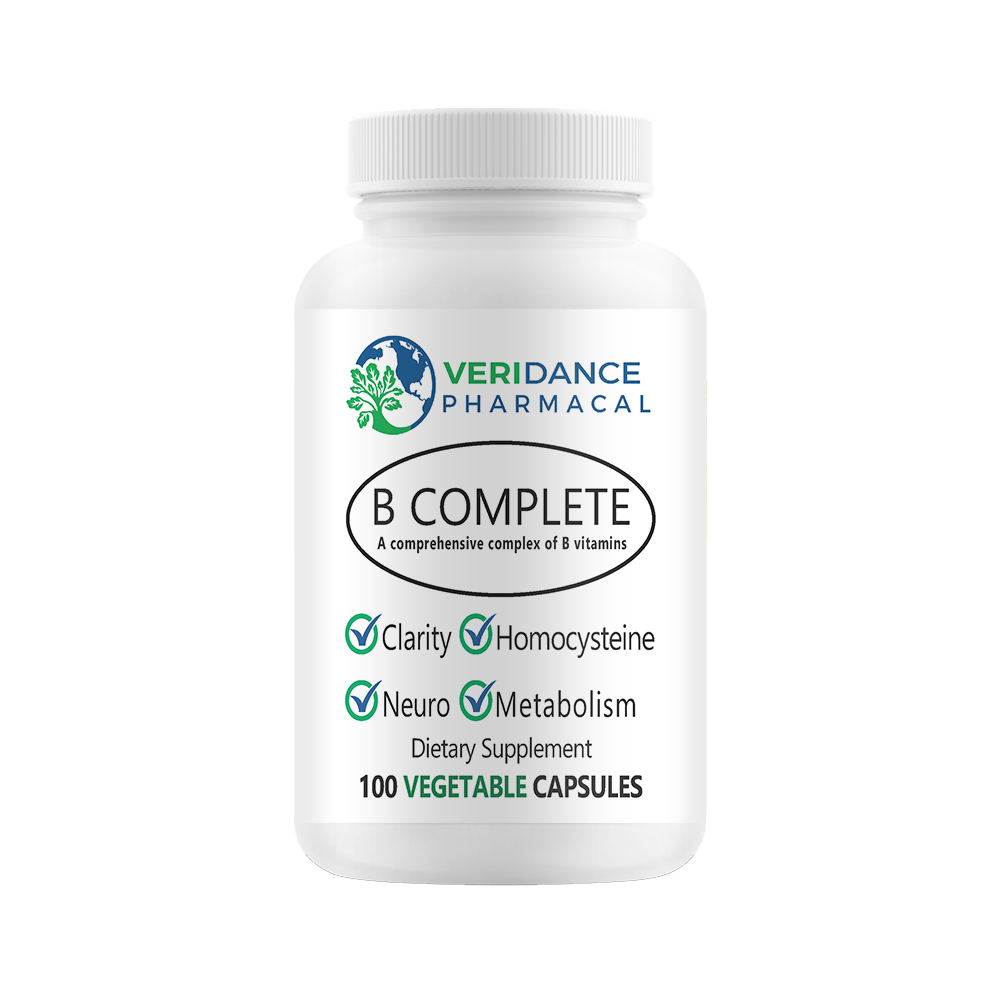
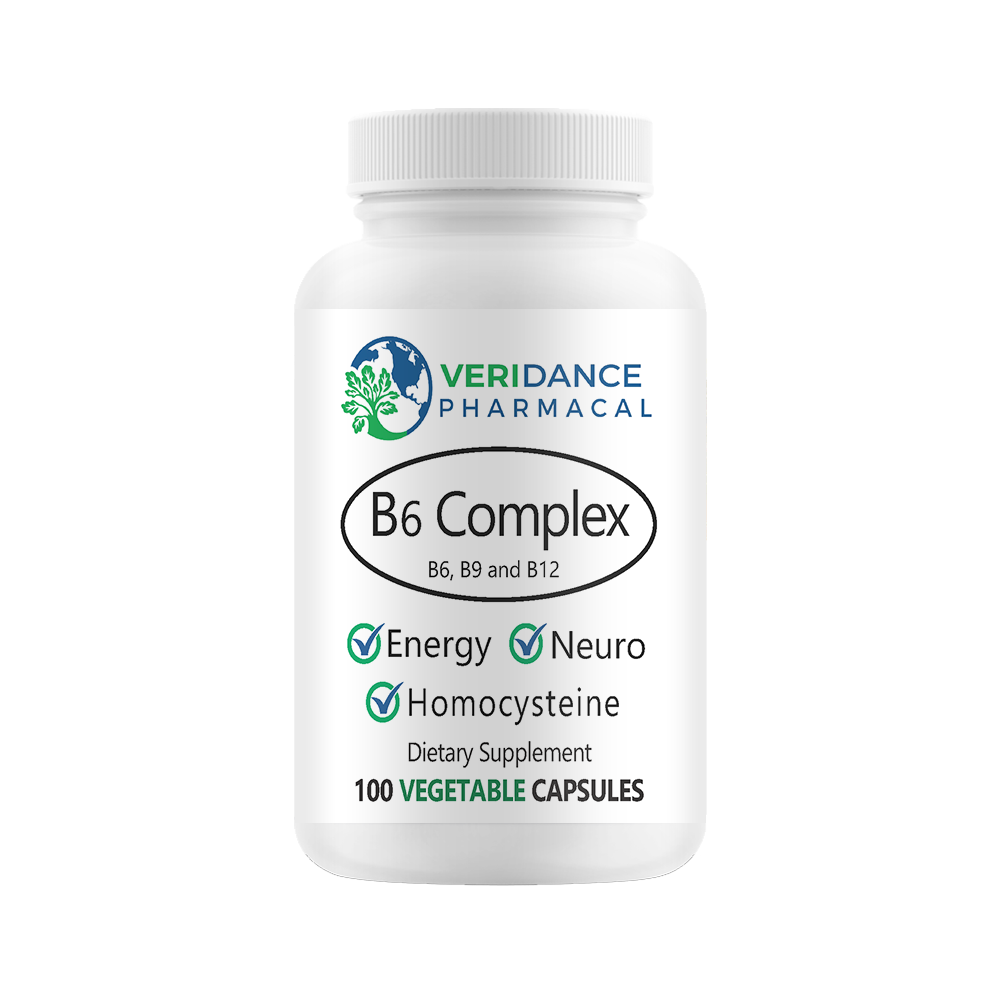
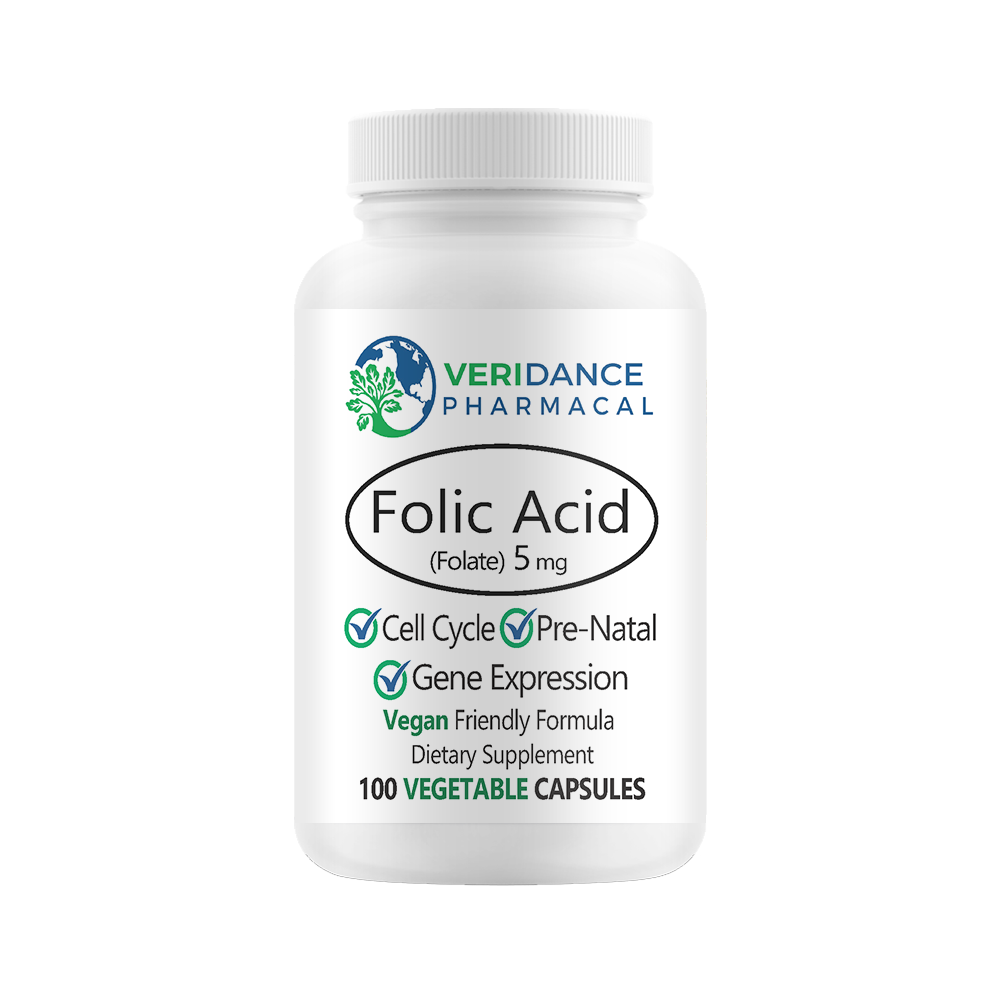
For energy and stress support, a B complex can be more practical than taking several separate B vitamins. The trade-off is that the formula may provide more of some B vitamins than you need if you already use a multivitamin. If you are choosing folic acid, the appropriate dose can depend on pregnancy plans, health history and prescribed medicines, so personalised advice is particularly valuable.
For mood, heart health or general dietary support, omega-3 can be a sensible category to consider. Here, the key comparison is the amount of EPA and DHA in the stated serving, along with whether the suggested daily amount is realistic for you to maintain.
Convenience matters. One vegetable capsule a day may suit a busy routine better than several tablets, even if the cost per milligram is slightly higher. A supplement only helps if it is taken as directed.
Watch for situations where more can be too much
Supplements are concentrated products, and some nutrients can cause problems at unnecessarily high intakes. Magnesium can cause digestive discomfort for some people, particularly at higher supplemental amounts. Excess vitamin D can raise calcium levels. High intakes of certain B vitamins over long periods may not be appropriate for everyone.
Take extra care if you are pregnant, breastfeeding, managing a medical condition, awaiting surgery, or taking prescribed medication. This is especially relevant for products containing vitamin K, which may not be suitable alongside some anticoagulant medicines, and for omega-3 products if you use blood-thinning medication. Your pharmacist is often a good first point of contact for a quick, practical check.
Do not use supplements to replace a varied diet, and do not assume that a symptom is caused by a nutrient shortfall. Persistent tiredness, low mood, tingling, pain or other ongoing symptoms deserve proper medical advice rather than increasingly stronger products.
A simple label-check routine
A sensible supplement comparison takes less than a minute once you know what to look for. First, identify the active nutrient and its amount per daily serving. Next, check the form of the nutrient where relevant, such as EPA and DHA in an omega-3 product. Then look at the directions and count any overlapping ingredients from your existing routine.
Finally, consider the format, price per daily serving and whether the product is from a brand that clearly states what is in the pack. Clear labels, practical serving sizes and straightforward ingredients make it easier to stay consistent without guesswork.
The most useful supplement is rarely the one with the largest figure on the front. Choose a dose that has a clear role in your routine, follow the label, and seek professional guidance whenever your needs are more than everyday nutritional support.