



The 3pm slump, a racing mind at bedtime and feeling short-tempered over small things can all make a busy week feel harder than it needs to. Stress support supplements UK shoppers choose most often tend to focus on nutritional foundations: magnesium, B vitamins and omega-3. They are not a quick fix for a demanding job, poor sleep or ongoing anxiety, but the right supplement can help support normal energy-yielding metabolism, psychological function and everyday wellbeing when used consistently.
What stress support really means
Stress is not simply a feeling. It can affect sleep, appetite, concentration, exercise habits and the food choices we make. During a particularly pressured period, a balanced meal may become a snack at a desk, and a proper bedtime can become another hour of scrolling. That is where nutritional support can be useful - not as a replacement for rest and practical changes, but as one reliable part of a wider routine.
A sensible approach starts with what you want help with. Low energy and mental fatigue may point you towards a vitamin B complex. Muscle tension, difficulty unwinding or disrupted sleep may make magnesium worth considering. If oily fish rarely appears on your weekly menu, omega-3 can help support your overall nutritional intake.
The best choice depends on your diet, lifestyle, health needs and any medicines you take. More ingredients do not necessarily mean better results. A focused, clearly dosed supplement is often easier to take every day and easier to assess over time.
Stress support supplements UK customers commonly consider
Magnesium for relaxation and normal nervous system function
Magnesium is involved in many processes in the body, including normal muscle function, normal psychological function and normal functioning of the nervous system. It also contributes to a reduction of tiredness and fatigue. For people who feel physically tense after long days, it is one of the most popular options for daily stress support.
The form matters. Magnesium citrate is widely used and suits many people, while other forms may be chosen for different preferences. Check the label for the amount of elemental magnesium rather than judging a product only by the total weight of the magnesium compound.
Magnesium can be taken at a time that fits your routine. Some people prefer it in the evening as part of their wind-down habits; others take it with breakfast. If it causes digestive discomfort, taking it with food or reviewing the dose may help. High supplemental doses are not suitable for everyone, particularly where kidney problems are present, so seek professional advice if this applies to you.
Vitamin B complex for energy and mental performance
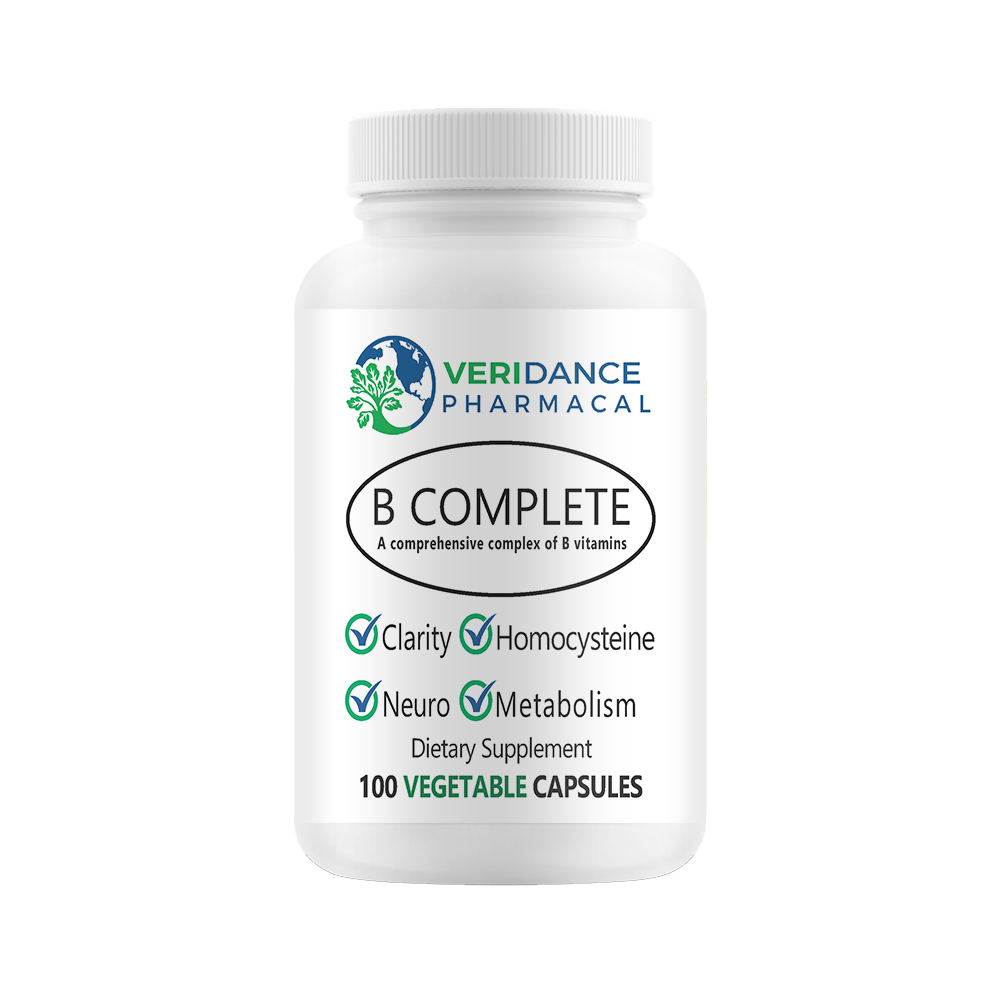
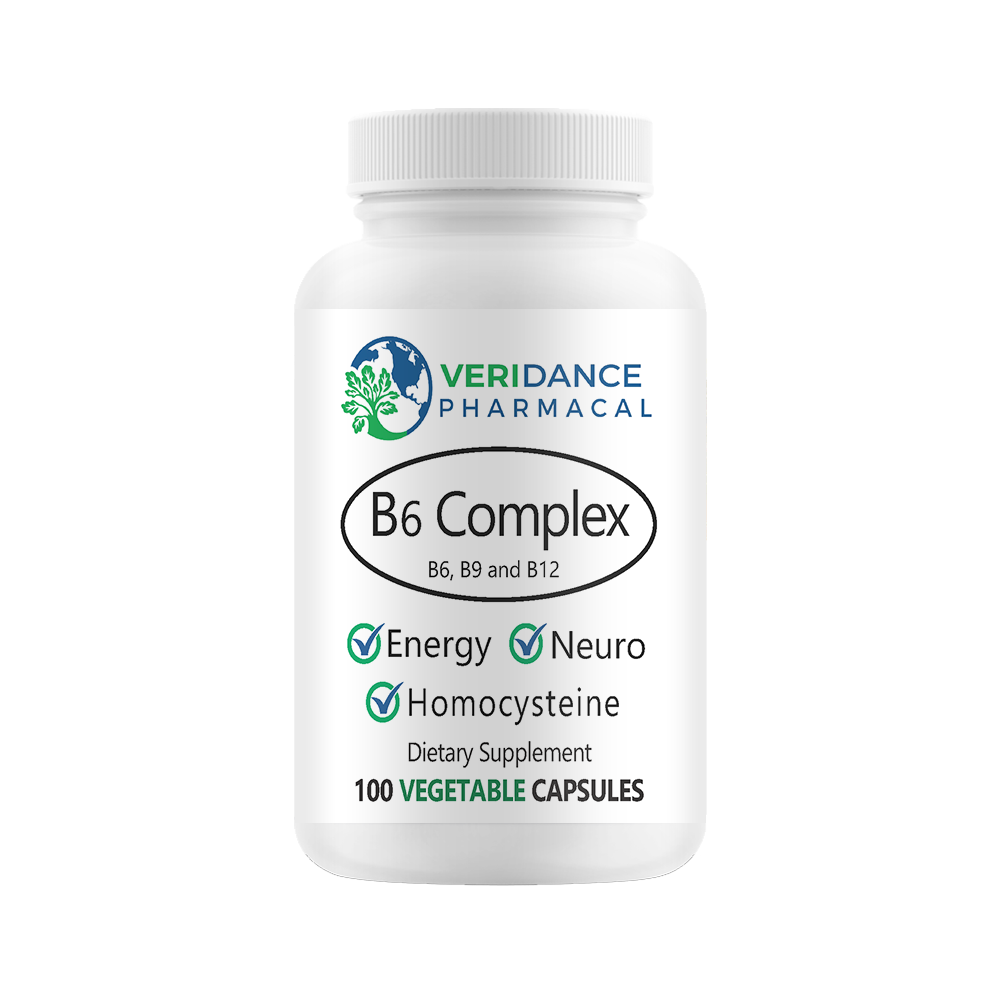
B vitamins are particularly relevant when stress and tiredness seem to go together. Vitamins B1, B2, B3, B5, B6, B12 and folate each play different roles, with several contributing to normal energy-yielding metabolism and normal psychological function. Vitamins B6, B12 and folate also contribute to normal homocysteine metabolism and the reduction of tiredness and fatigue.
A vitamin B complex can be a practical choice for adults who want broad B-vitamin support in one daily capsule, especially if their diet is inconsistent or they follow a restrictive eating pattern. It is not a substitute for identifying a genuine deficiency. For example, people following a vegan diet may need particular guidance around vitamin B12, while persistent exhaustion should be discussed with a GP rather than self-treated indefinitely.
Take B vitamins as directed on the label. Many people choose the morning because the product fits naturally with their breakfast routine. There is no prize for taking a higher dose than recommended, and long-term high intakes of certain nutrients can be inappropriate.
Omega-3 for a well-rounded daily routine
Stress support is not only about the hours when you feel under pressure. Looking after heart, brain and general wellbeing through consistent habits can make your routine feel more sustainable. Omega-3 supplements are a useful consideration for people who do not regularly eat oily fish such as salmon, mackerel or sardines.
EPA and DHA are the two omega-3 fatty acids most commonly shown on labels. EPA and DHA contribute to the normal function of the heart at a daily intake of 250mg of EPA and DHA. DHA contributes to the maintenance of normal brain function and normal vision at a daily intake of 250mg DHA. Check the stated EPA and DHA content, rather than looking only at the total fish oil amount.
Omega-3 is best viewed as long-term nutritional support, not something to take only on a hectic day. Taking a soft capsule with a meal can be a convenient habit and may suit people who find fish oil unpleasant on an empty stomach.
How to choose a supplement without overcomplicating it
A clear label is more useful than ambitious promises. Look for the active nutrients, the amount per daily serving, capsule format and directions for use. If you prefer to avoid unnecessary extras, choose a product that is straightforward about what it contains and why.
High potency can be helpful where it meets a specific need, but it should never be the only deciding factor. The right amount is one that is appropriate for your circumstances and can be taken consistently. If you already use a multivitamin, pre-workout formula or fortified foods, check the combined intake before adding a separate B-complex or magnesium product.
For stress support supplements in the UK, purchasing from a dependable retailer also makes a difference. You should be able to see the dosage clearly, understand the capsule count and know that your product is ready to be posted when you need it. A simple, focused product range can make that decision less confusing.
Build the supplement into a routine that supports you
Supplements work best when they support habits rather than compete with them. Pair your chosen capsule with something you already do every day: breakfast, making your first cup of tea, or sitting down for your evening meal. This is more effective than leaving the bottle in a cupboard and expecting yourself to remember it when life is busiest.
Give a routine time. Unless a clinician advises otherwise, taking several new products at once makes it difficult to know what suits you. Start with one relevant supplement, follow the label directions and notice how you feel over several weeks. Keep the basics in view too: regular meals, enough fluid, movement, daylight and a realistic bedtime remain powerful forms of support.
There are times when a supplement is not the right first step. Speak to a GP, pharmacist or qualified healthcare professional if stress feels overwhelming, lasts for weeks, affects your ability to cope, or comes with low mood, panic, chest pain or major changes in sleep or appetite. Professional support is particularly important if you are pregnant or breastfeeding, have a health condition, or take prescription medicines. Omega-3, for example, may need consideration if you use blood-thinning medication.
A practical place to start
If tiredness and a demanding routine are your main concerns, a quality vitamin B complex may be the most relevant first option. If physical tension and unwinding are the bigger issue, magnesium may suit your goals better. If your diet is low in oily fish, omega-3 can be a useful addition to your broader wellbeing plan. GreenVits keeps these everyday categories clear and focused, so you can choose based on the outcome you are looking for rather than a long list of unfamiliar ingredients.
No supplement can remove the source of stress, and none should promise to. The useful role of daily nutritional support is quieter than that: helping you maintain the foundations of normal energy, nervous system and psychological function while you make room for the rest, food and support that help you feel more like yourself.