


Some supplements end up at the back of the kitchen cupboard because they sounded useful but never really matched a clear need. That is usually the issue with natural supplements for adults - not lack of choice, but too much of it. When every label promises support, energy or balance, the more useful question is simpler: what are you actually trying to support day to day?
For most adults, the best supplement routine is not a huge stack of products. It is a small number of well-chosen options that fit real habits, real diets and real health goals. That might mean vitamin D through the darker months, magnesium when stress and poor sleep are affecting recovery, or omega-3 when oily fish is not a regular part of the week. Practical choices tend to work better than ambitious ones.
What natural supplements for adults really means
The term sounds straightforward, but it can cover quite a wide range. In everyday use, natural supplements for adults usually refers to vitamins, minerals, oils and nutrient-based formulas made to support normal health rather than act as medicines. The point is nutritional support, not a quick fix.
That distinction matters. A supplement can help fill a gap, support a known need or make a routine easier to maintain, but it should not be treated as a substitute for medical advice, sleep, movement or a balanced diet. If anything, the best products tend to support the basics rather than pretend to replace them.
Natural also does not automatically mean suitable for everyone. A high-strength formula may be a very good choice for one person and unnecessary for another. The right option depends on diet, age, lifestyle, season, and any advice you have already been given by a GP or healthcare professional.
Start with the outcome, not the trend
A practical way to choose supplements is to ignore what is fashionable and focus on the result you want from your routine. Adults usually shop with one of a few goals in mind: steady energy, stress support, better daily resilience, bone support, heart health, or nutritional cover for a diet that is not always ideal.
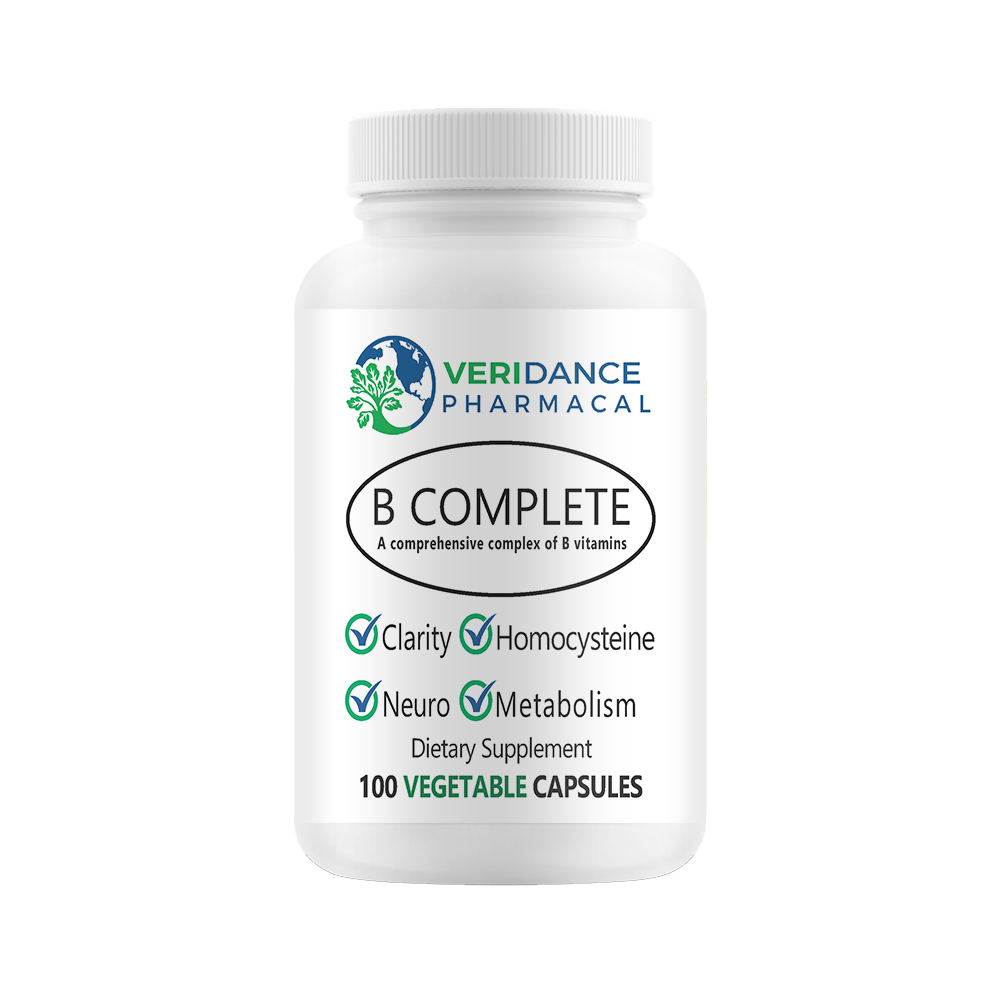
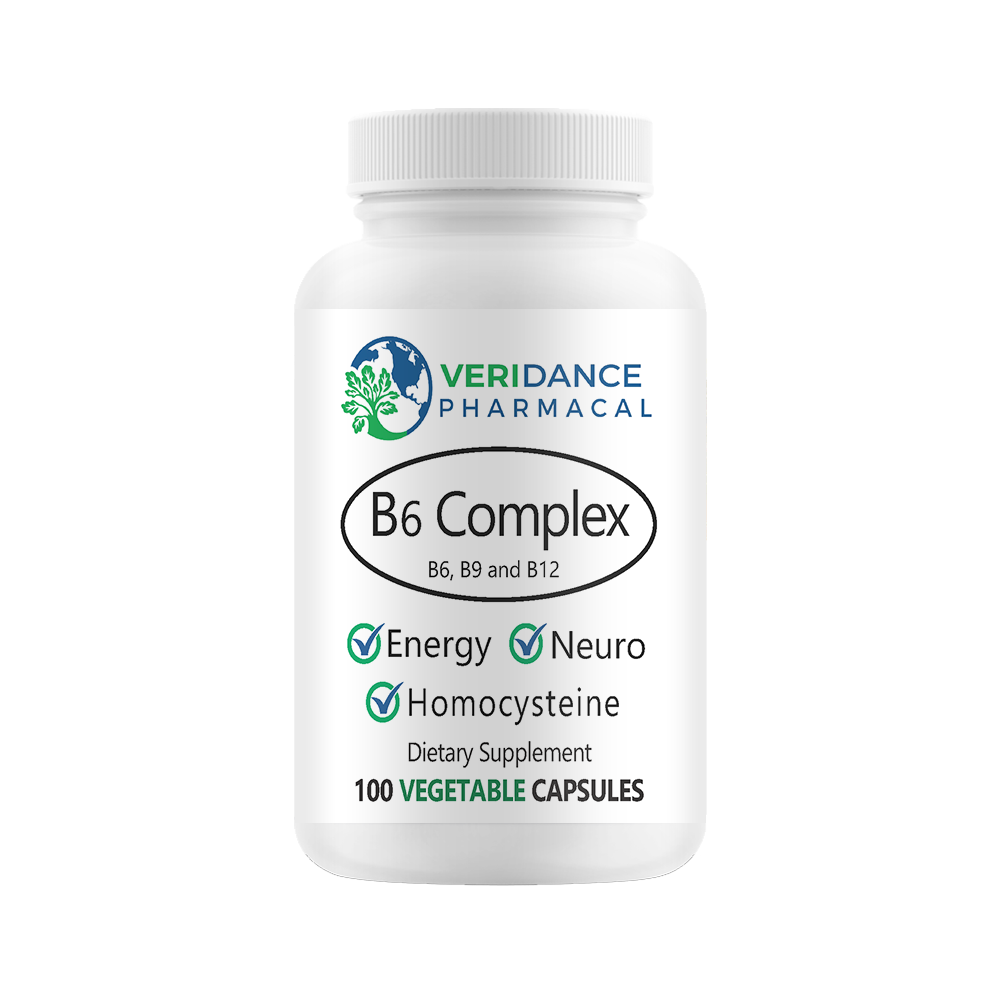
If energy is the main issue, a vitamin B complex is often one of the first places to look. B vitamins help support normal energy-yielding metabolism and can be a sensible choice for adults who feel run down, have demanding schedules or want more structured nutritional support.
If low mood, limited sunlight exposure or winter wellbeing is the concern, vitamin D is a common priority in the UK. Many adults spend a large part of the day indoors, and that can make vitamin D support more relevant than people realise. A formula that pairs vitamin D3 with K2 may appeal to those who want targeted support for bone-related nutrition and everyday wellbeing.
If stress, tension or recovery are the problem, magnesium is often the nutrient people come back to. It is widely used as part of a routine focused on muscle function, nervous system support and reducing tiredness and fatigue. The main point is not to treat it as magic, but as a useful support when life is busy and your routine is under pressure.
For adults thinking more about long-term wellbeing, omega-3 is another common choice. It can be especially relevant if oily fish is rarely on the menu. Here, consistency matters more than chasing the latest claim on the front of the pack.
The supplements adults commonly look for
Vitamin D for daily support
In the UK, vitamin D remains one of the most relevant supplements for adults because sunlight exposure is not always reliable. Many people simply do not get enough through daily life, particularly in autumn and winter. That makes vitamin D a sensible staple rather than a seasonal fad.
A quality vitamin D3 supplement is often chosen for bone and immune support. Some adults prefer vitamin D3 with K2 because it offers a more targeted approach, particularly when bone-related nutritional support is part of the goal.
Magnesium for stress, muscles and recovery
Magnesium has earned its place in many routines because the use case is easy to understand. Adults with busy jobs, active lifestyles, restless evenings or signs of fatigue often look to magnesium for everyday support. Different forms exist, and some may suit certain people better than others depending on tolerance and intended use.
This is one area where format can matter. A convenient capsule that fits into an evening routine is more likely to be taken regularly than a product that sits unopened because it is awkward to use.
Vitamin B complex for energy support
When people say they feel flat, overstretched or mentally drained, a vitamin B complex is often part of the conversation. B vitamins are involved in energy metabolism and can support adults whose diets are inconsistent or whose routines are demanding.
That does not mean more is always better. A strong formula may suit some people very well, but the more sensible approach is to choose a potency that reflects your actual needs rather than assuming the highest number on the label is automatically best.
Omega-3 for heart and brain support
Omega-3 remains a popular choice for adults who want support that feels broad and practical. It often appeals to people focused on heart health, as well as those who want nutritional support for brain function. If fish intake is low, a well-made omega-3 supplement can help cover that gap more consistently.
Purity and quality are worth paying attention to here. The category is crowded, so it helps to choose a product that is clear about strength, format and intended use.
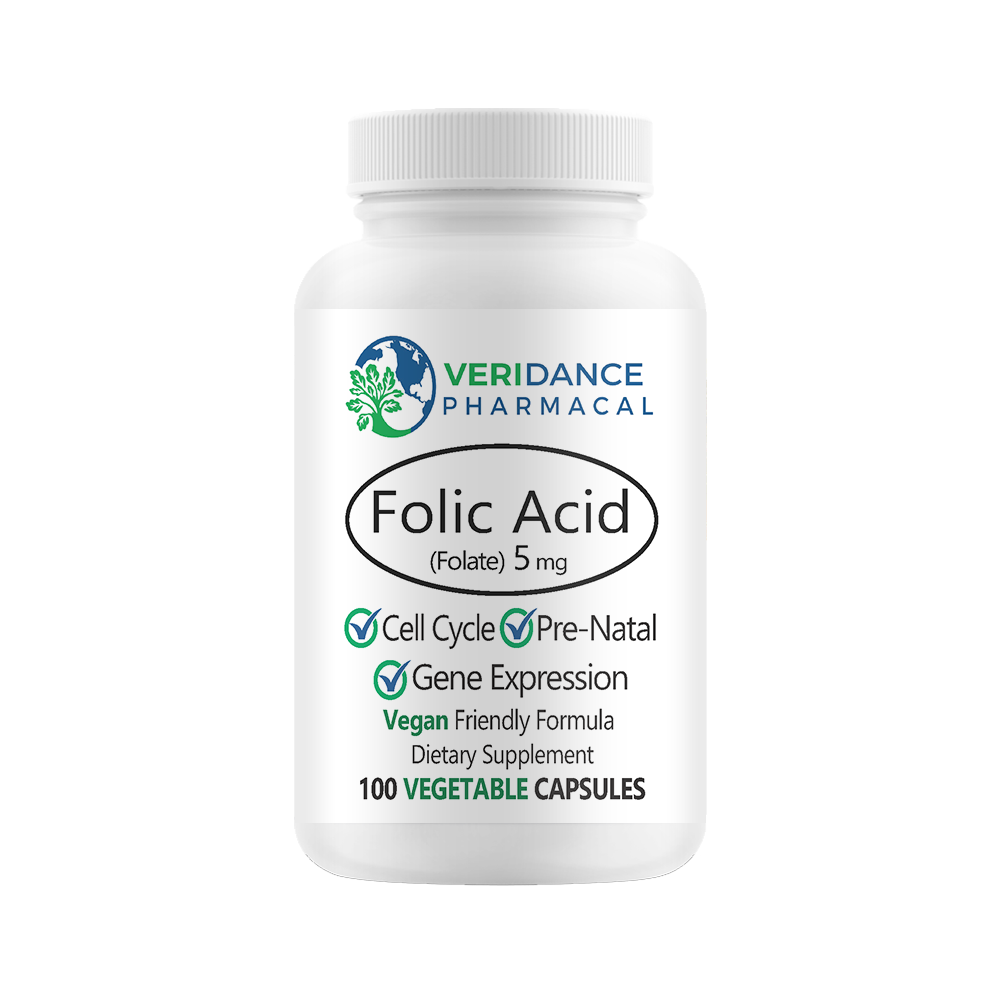
Folic acid for specific needs
Folic acid is not only relevant during pregnancy planning. It can also be part of a targeted nutritional routine for adults who want straightforward support in a single-nutrient format. As with all supplements, the reason for choosing it should be clear rather than vague.
How to choose quality without overcomplicating it
A good supplement should make life easier, not more confusing. Start by checking the nutrient, the dosage strength and the capsule format. If those three things are clear, you are already looking at the details that matter most for everyday buying decisions.
It also helps to choose focused products rather than vague catch-all blends if you already know your goal. A dedicated magnesium supplement for muscle and stress support or a straightforward vitamin D3 and K2 formula is often easier to assess than a long ingredient list with tiny amounts of everything.
Quality matters, but quality does not need dramatic language. Look for products that are transparent about what is in them, easy to take every day and suited to your preferences. Many adults also prefer vegetable capsules or clean formulations that fit a more considered approach to wellbeing.
A few trade-offs worth knowing
Natural supplements for adults are most useful when expectations are realistic. If your sleep is poor, meals are rushed and stress is constant, supplements may help support you, but they will not cancel out every pressure point. They work best as part of a sensible routine.
There is also the question of simplicity versus variety. Some adults do better with one or two targeted products taken consistently. Others like broader support. In practice, the simpler option often wins because it is easier to stick with.
Timing can matter as well. A supplement that causes mild digestive discomfort on an empty stomach may be better with food. An energising formula may suit the morning more than late evening. These are small adjustments, but they often make the difference between abandoning a product and using it properly.
Building a routine that lasts
The most effective supplement routine is usually the one that fits around ordinary life. If you are trying to remember six products at different times of day, the routine may not last. A better approach is to match supplements to habits you already have, such as breakfast or the evening meal.
Adults who get the best results from supplements are often not doing anything complicated. They know what they are taking, they know why they are taking it, and they give it enough time to become routine. That steady approach suits brands like GreenVits, where the focus is on clear, high-quality products for specific health goals rather than cluttered choices.
If you are unsure where to begin, keep it practical. Think about your diet, the time of year, your stress levels, and whether you are looking for support with energy, bones, mood, heart health or recovery. One well-chosen product used consistently is usually more useful than a basket full of trends.
A good supplement should feel like a sensible part of adult life - clear, convenient and easy to trust. Choose for your real needs, not your ideal version of yourself, and your routine is much more likely to stick.