
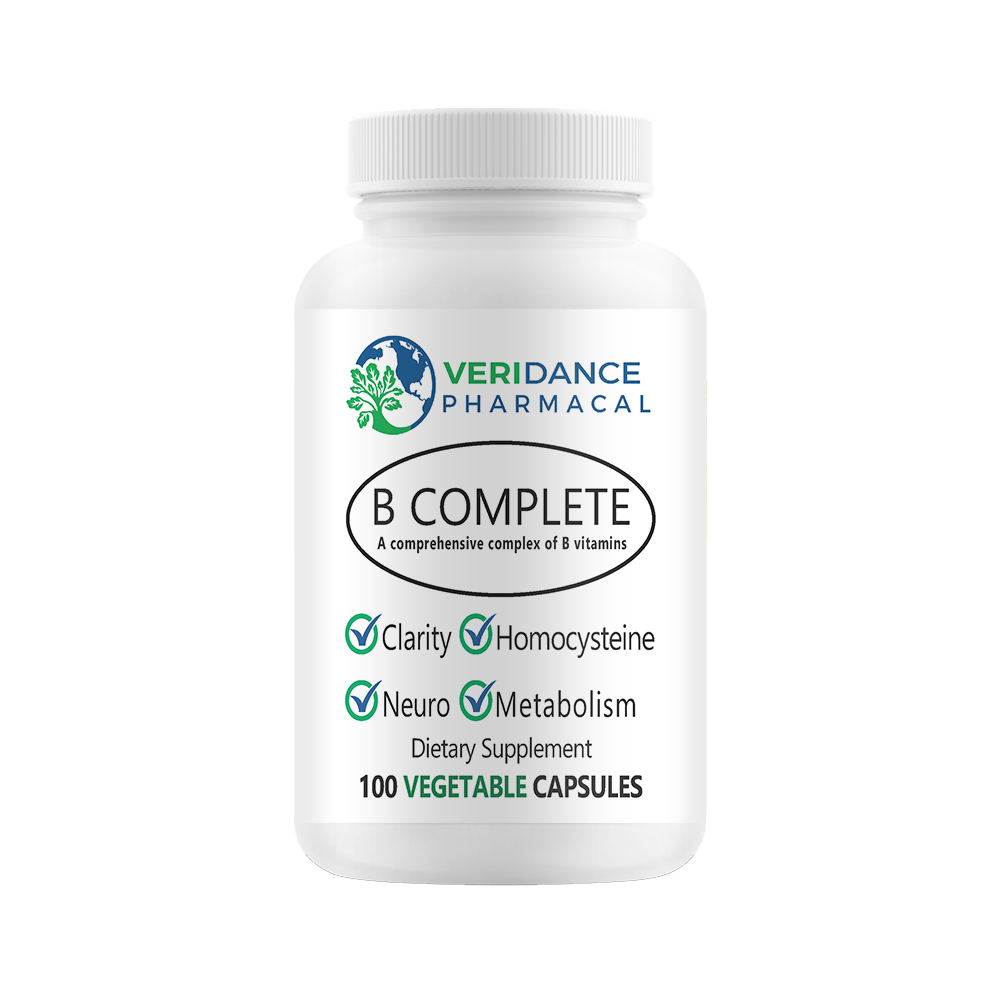
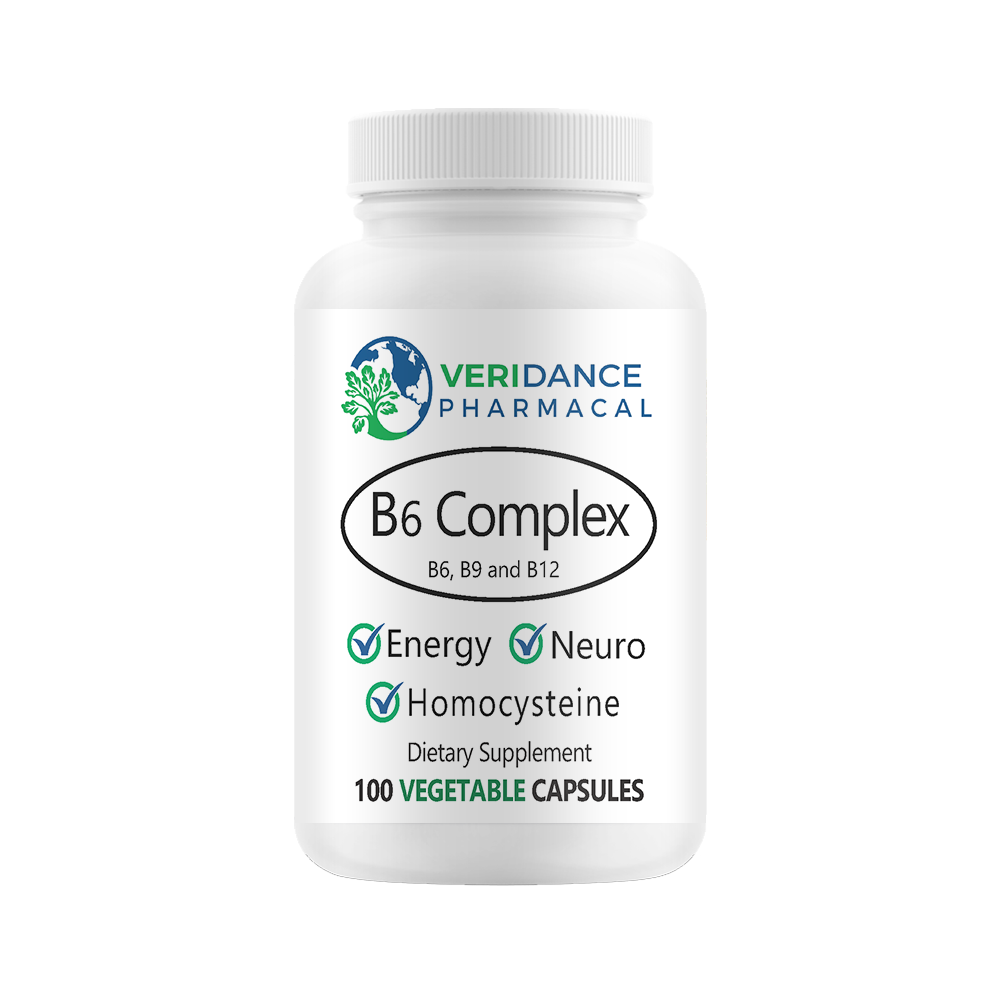
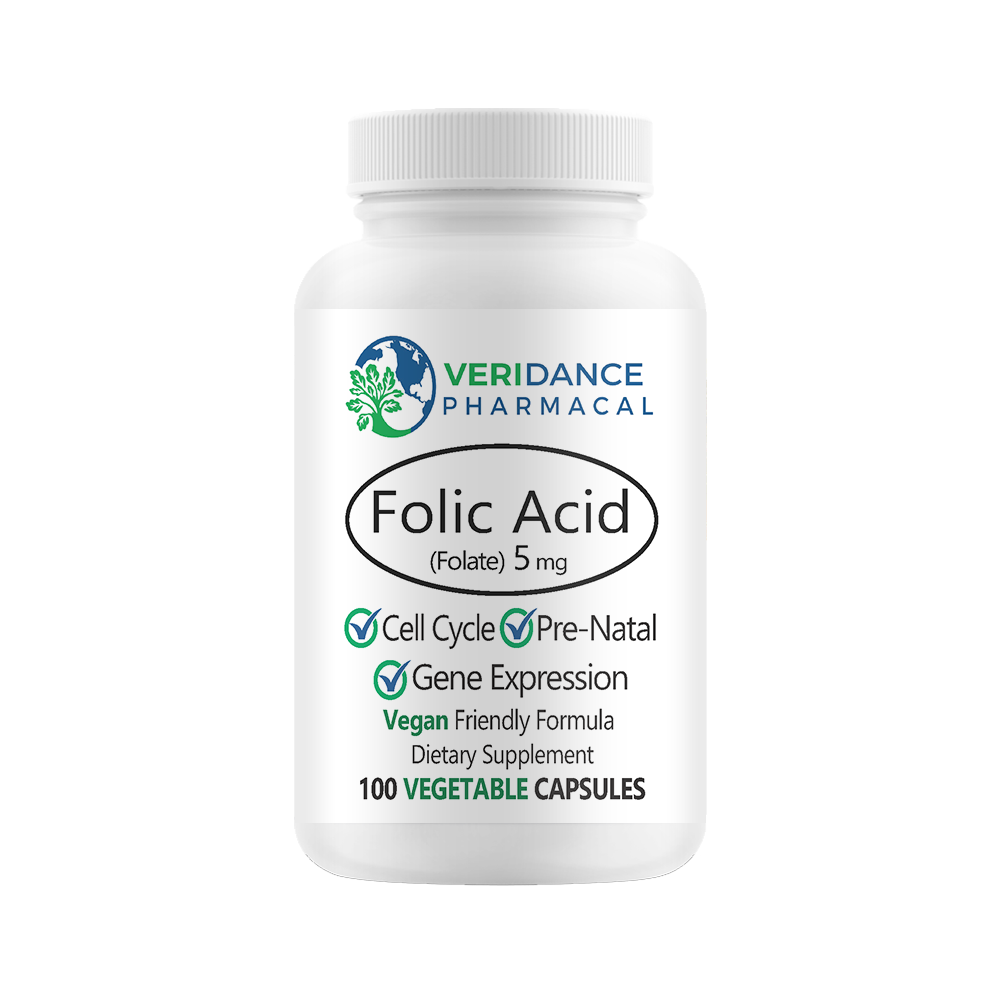


A supplement can look excellent on the label and still be the wrong choice for your routine. One bottle promises energy, another bone support, another better sleep, and suddenly a simple purchase feels less simple. If you are wondering how to choose high quality vitamins and supplements, the best place to start is not with marketing claims, but with what your body actually needs and whether the product gives you that support clearly, safely and consistently.
For most people, quality comes down to a few practical questions. Is the nutrient form useful? Is the strength sensible? Are the ingredients clearly listed? Is the product made to a standard you can trust? And just as importantly, does it fit into real life well enough that you will actually take it every day?
How to choose high quality vitamins and supplements without guesswork
The first step is to be specific about your goal. Buying a general multivitamin when you really want support for low mood, tiredness or muscle function often leads to disappointment. A better approach is to match the supplement to the outcome you are looking for, whether that is energy support from a B complex, bone support from Vitamin D3 with K2, or relaxation and muscle support from magnesium.
This matters because the best supplement is not the one with the longest ingredient list. It is the one that gives you the right nutrient, in the right amount, for the right reason. More ingredients can sometimes mean lower amounts of each, or combinations that look impressive but are not especially targeted.
If you already know what you want to support, comparing products becomes much easier. You can focus on quality rather than being distracted by broad claims.
Start with the label, not the front of the bottle
The front label is designed to catch your eye. The back label is where quality starts to show. A trustworthy supplement should tell you exactly what is inside, how much you are getting per serving, and what form the nutrient takes.
That last point is often overlooked. Nutrients come in different forms, and some are better suited to certain people or goals. Magnesium, for example, is available in several forms. One may be chosen for everyday supplementation, another for digestion, another for better tolerance. The same applies to folate versus folic acid, or the source and concentration of Omega-3.
You do not need to become a nutrition expert, but you do want clarity. If a label is vague, hides the exact form of the ingredient, or relies heavily on blends without proper amounts, that is not a great sign.
Look for clear dosages
A high quality supplement should state the amount of each active ingredient plainly. This helps you compare products properly and decide whether the dose is meaningful.
A very low-dose product may be cheaper, but it may not offer much practical value. On the other hand, more is not always better. Some vitamins and minerals are useful in higher-potency formulas, while others need a more balanced approach. That is why quality is not just about strength. It is about using a dose that makes sense for the intended benefit.
Watch out for vague blends
Proprietary blends can make comparison difficult because you may see a list of ingredients without knowing how much of each one is included. For everyday supplementation, simplicity is often a strength. A clearly labelled formula with transparent amounts usually gives you more confidence than a long list of mystery quantities.
Choose supplements that suit your routine
Even a well-made supplement is no use if it sits in the cupboard untouched. Capsule format, serving size and convenience all matter more than people think.
Some people prefer one-a-day capsules because they are easy to remember. Others are happy with soft capsules for oils such as Omega-3. Vegetable capsules can also matter to those who prefer plant-based formats where suitable. None of these points changes the nutrient itself, but they do affect whether the product fits into your daily habits.
This is where quality and practicality meet. A supplement should feel straightforward to use. If the instructions are awkward or the serving size is unrealistic, consistency tends to drop.
Check for unnecessary extras
High quality does not always mean complex. In many cases, a cleaner formula is the better choice.
Look at the inactive ingredients as well as the active ones. Fillers, binders and capsule materials all have a role in manufacturing, but the list should still feel reasonable and transparent. If a product is padded with lots of unnecessary extras, bright colourings or ingredients that do little for the intended outcome, it is fair to ask whether you are paying for substance or for presentation.
That said, context matters. Some added ingredients are there for stability, absorption or capsule structure. The question is not whether there are any extras at all, but whether the formula still feels purposeful and easy to understand.
Trust signals matter when choosing high quality vitamins and supplements
When you shop online, you cannot pick up the product and inspect it in person before it arrives. That makes trust signals even more important.
A reliable retailer or brand should be clear about what it sells, what the product is for, and how it will get to you. Straightforward stock information, dependable fulfilment and clear product descriptions may sound separate from supplement quality, but they help show that the business takes consistency seriously.
The same goes for manufacturing standards and testing. You may not always see every technical detail on a product page, but quality-focused brands tend to be transparent, not evasive. They explain potency, intended benefits and format without overcomplicating the message.
If a product promises everything at once, uses exaggerated health claims, or avoids giving hard details, caution is sensible. Good supplements do not need dramatic language to look credible.
Be realistic about claims and results
Supplements are there to support health, not to perform miracles. A high quality product will usually make measured, practical claims rather than dramatic ones.
That is especially important in popular categories such as energy, mood, heart health and bone support. These are meaningful areas for supplementation, but they still depend on the wider picture - diet, sleep, lifestyle, individual nutrient status and consistency over time.
So if you are comparing products, be wary of anything that sounds too absolute. Better quality often looks calmer on the page. It explains what the nutrient does, who it may suit, and how to take it, without overselling.
Price matters, but value matters more
It is tempting to use price as a shortcut. Very cheap products can raise questions about ingredient quality or dosage, while very expensive ones are not automatically better.
A better way to judge value is to look at cost per serving, strength per serving and how targeted the formula is. A slightly more premium supplement may still offer better value if it provides a meaningful dose, a better nutrient form and a format you are happy to take daily.
This is particularly true for supplements you intend to use long term, such as Vitamin D3, magnesium or Omega-3. If the product fits your routine and gives you confidence in what you are taking, that often matters more than finding the lowest shelf price.
For shoppers who want a dependable, no-fuss option, brands with a focused range can be easier to trust than brands offering hundreds of loosely defined formulas. GreenVits, for example, keeps the offer centred on practical health support, which makes comparison simpler for people who want clarity rather than endless choice.
Match the supplement to the person taking it
There is no single best supplement for everyone. Age, diet, health goals and existing routines all influence what a good choice looks like.
Someone looking for support through the darker months may focus on Vitamin D3. Someone dealing with busy days and feeling run down may be more interested in a B complex. Someone choosing an Omega-3 may care about concentration and daily capsule format, while someone buying magnesium may look closely at tolerance and intended use.
This is why quality is always tied to relevance. A well-made product still has to be the right fit for you.
If you take any medicines, have a health condition, are pregnant, or are unsure about what you need, it is sensible to speak to a pharmacist, GP or qualified health professional before adding a supplement.
A simple way to make a better choice
If you want to make your next purchase with more confidence, keep the process simple. Start with your health goal. Check the active ingredient and its form. Look at the dosage per serving. Read the full ingredient list. Consider whether the capsule format suits your routine. Then ask whether the brand presents the product in a way that feels clear, trustworthy and proportionate.
That approach will not make every decision instant, but it does help you filter out products that rely more on noise than substance. The right supplement should feel easy to understand and easy to use, with benefits that match real everyday health needs.
The most useful choice is rarely the flashiest one. It is the product you can trust enough to take consistently, because it is clear, targeted and built around what you actually need.