



Some days it is not one big problem that throws you off. It is the combination of poor sleep, missed meals, back-to-back tasks and that wired-but-tired feeling by mid-afternoon. That is where energy and stress management stops being a vague wellbeing idea and becomes something much more practical - how you get through the day with a clearer head, steadier mood and enough stamina to do what matters.
For most adults, low energy and rising stress are closely linked. When stress runs high, sleep often suffers, concentration drops and healthy routines start to slip. When energy is low, everyday demands feel heavier and small setbacks become harder to handle. The goal is not to feel switched on every minute. It is to create more stability, so your body and mind are not constantly trying to catch up.
Why energy and stress management matters
If you rely on caffeine, push through fatigue and hope the weekend will sort things out, you are not alone. Many people do exactly that for months, sometimes years. The trouble is that short-term coping habits can make the cycle harder to break.
High stress can affect appetite, digestion, sleep quality and mood. Low energy can reduce motivation to cook well, exercise or switch off properly in the evening. Over time, that can leave you feeling flat, irritable or mentally foggy even when nothing obvious is wrong.
Good energy and stress management is about reducing that background strain. It means supporting the basics first, then using targeted nutritional support where it makes sense. It is a practical approach rather than an extreme one.
Start with the daily habits that make the biggest difference
There is no single fix for tiredness or stress. In most cases, the most useful changes are the least glamorous. They are also the ones people tend to overlook because they seem too simple.
Sleep comes first. If your sleep is broken, too short or pushed later every night, your energy will usually suffer before anything else. A consistent bedtime, less screen time late in the evening and a calmer wind-down routine can make a real difference. It will not always happen overnight, especially if stress is high, but better sleep tends to improve both resilience and concentration.
Regular meals matter too. Going too long without eating can leave you feeling shaky, distracted or drained, and that can look a lot like stress. Balanced meals with protein, fibre and slow-release carbohydrates tend to support more even energy than skipping breakfast and grabbing quick sugar later on.
Hydration is another easy one to underestimate. Even mild dehydration can contribute to headaches, sluggishness and poor focus. If you drink a lot of tea and coffee but very little water, that is worth correcting before assuming something more complicated is going on.
Movement helps, but the type matters. If you are exhausted, a punishing workout may leave you feeling worse rather than better. A brisk walk, light gym session or regular stretching can support mood and energy without adding extra strain. It depends on your baseline. The best routine is one you can recover from.
The hidden drain of doing too much at once
A common problem is not lack of effort but poor recovery. Many adults are trying to work, manage a household, stay healthy and remain available to everyone else, often without much pause between tasks. That constant switching keeps stress levels up, even when you are technically sitting still.
Mental overload can feel like tiredness, but it is often a sign that your attention is stretched too thin. If you move from emails to meetings to errands to evening admin with no clear breaks, your brain never really resets. Small pauses during the day can help more than people expect. That might mean ten minutes away from your phone, a proper lunch break or finishing one task before starting the next.
This is where boundaries become part of energy support. Saying yes to everything can cost more than it seems, especially if you are already running low. Protecting your time is not indulgent. It is often the difference between coping well and feeling permanently depleted.
Nutritional support for energy and stress management
Once the basics are in place, supplements can play a useful supporting role. They are not a substitute for sleep, food or rest, but they can help fill gaps and support normal body functions linked to energy, the nervous system and psychological wellbeing.
B vitamins for daily energy support
B vitamins are often the first place people look when energy feels low, and with good reason. Several B vitamins contribute to normal energy-yielding metabolism, while others support normal psychological function and help reduce tiredness and fatigue.
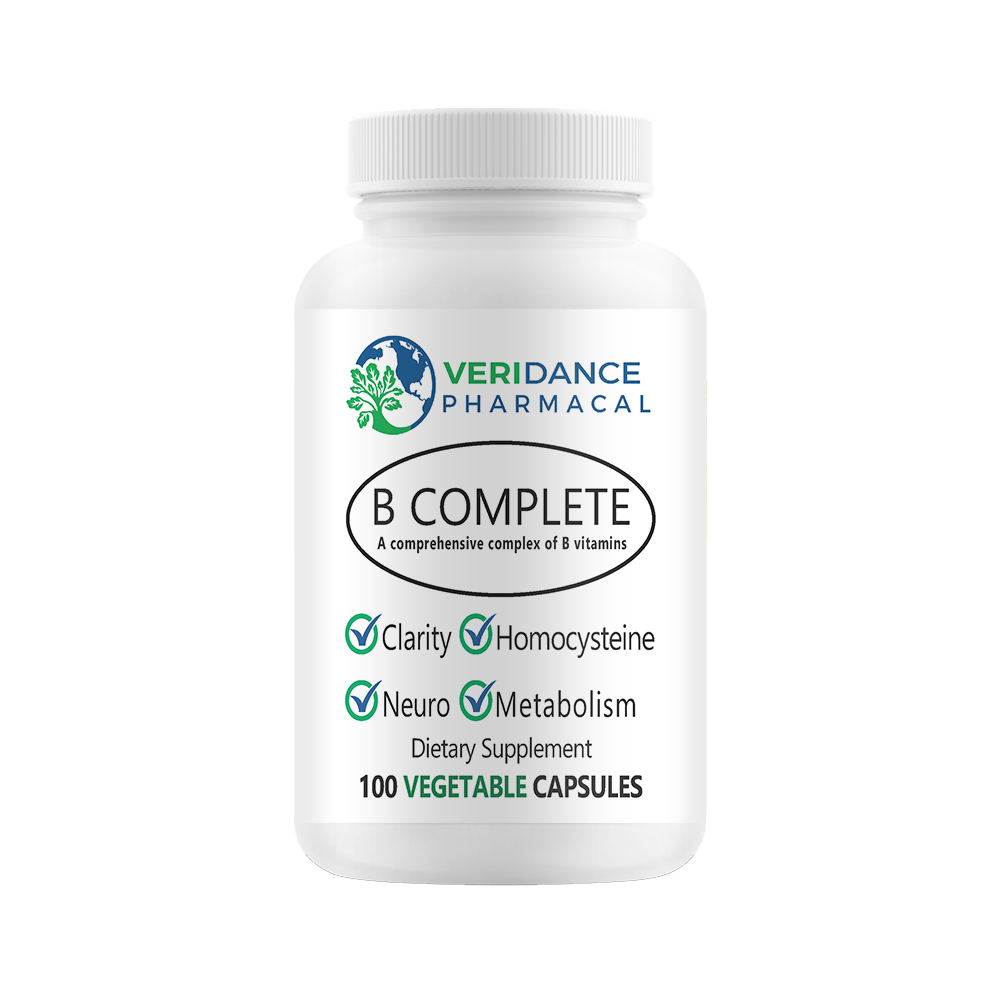
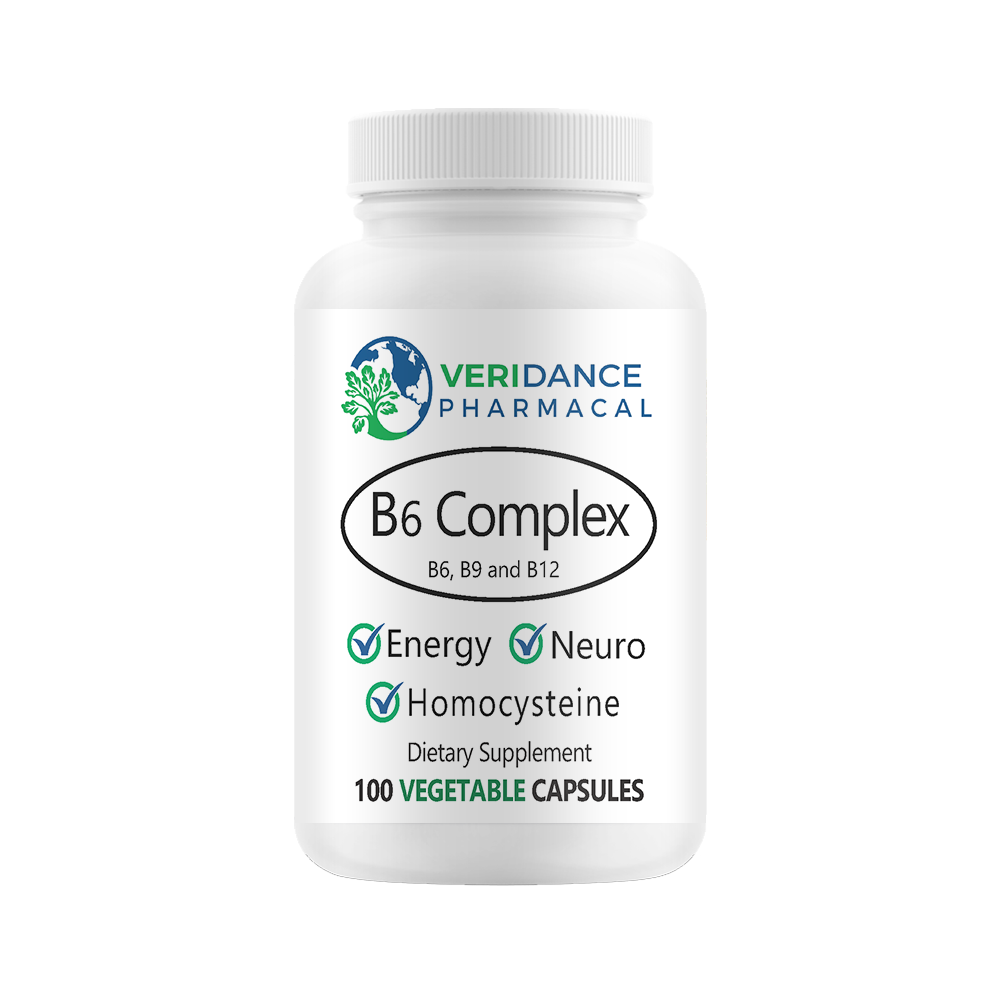
This can be especially relevant during busy periods, after long stretches of poor eating or for people who want focused daily support rather than a broad multivitamin. A quality Vitamin B complex offers a practical option when your routine needs more consistency.
Magnesium for stress, muscles and relaxation
Magnesium is one of the most useful nutrients to consider when stress and tension are part of the picture. It contributes to normal muscle function, normal psychological function and the reduction of tiredness and fatigue.
People often think of magnesium only in relation to cramps, but it can be relevant more widely. If you feel physically tense, mentally overworked or struggle to switch off at night, magnesium may be worth considering as part of your overall routine. The right format and strength can make a difference, particularly if you want something easy to take daily.
Vitamin D for year-round wellbeing
In the UK, Vitamin D is a common consideration because sunlight exposure is not always reliable throughout the year. While people often associate it with bones and immunity, low levels can also sit alongside feeling generally below par.
Vitamin D3, particularly when paired with K2 in a well-formulated supplement, can be a sensible part of a broader health routine. It is not a direct answer to stress, but it can support overall wellbeing in a way that helps you feel more resilient over time.
Omega-3 and steady support
Omega-3 is often chosen for heart and brain support, but it also has a place in a balanced wellbeing routine. If your diet is low in oily fish, supplementation may help support nutritional intake in a practical, consistent way.
This is one of those areas where results are usually about steady use rather than a quick boost. It suits people looking for long-term support rather than a noticeable same-day effect.
When supplements help most
The best supplement routine is usually the one that matches your actual needs. If your main issue is tiredness, B vitamins may be the most obvious place to start. If stress leaves you feeling tense and drained, magnesium may be more relevant. If you want to support your general baseline, Vitamin D3 or Omega-3 may fit naturally into your daily plan.
There are trade-offs. Taking several products at once may be useful for some people, but not everyone needs a large stack. A simpler routine is often easier to stick with, and consistency matters more than overcomplicating things.
It is also worth being realistic about timing. Some people expect supplements to work like a strong coffee. That is rarely how they help. Nutritional support tends to work best when used regularly alongside better habits, not as a rescue remedy after weeks of running on empty.
A more realistic way to build better energy
If your current routine feels unsustainable, start smaller than you think you need to. Earlier nights three times a week are better than planning a perfect new bedtime and abandoning it by Thursday. A balanced lunch every day is better than eating well only when life is calm. One or two well-chosen supplements taken consistently are more useful than a cupboard full of half-used tubs.
For many people, the turning point is not a dramatic overhaul. It is recognising that feeling drained all the time should not be treated as normal. Better energy often comes from fewer extremes - less yo-yo eating, less overcommitting, less late-night overstimulation and more steady support where your body actually needs it.
If you are looking for a practical place to begin, focus on the basics you can repeat. Build from there with targeted support that fits your routine. When energy and stress management is simple enough to maintain, it is far more likely to work in real life.
A good routine should leave you feeling more like yourself, not like you are constantly trying to catch up.