


That tight feeling in your chest after a stressful phone call is not just in your head. The link between emotions and heart health is real, and for many people it shows up in ordinary moments - a racing pulse during anxiety, poor sleep after worry, or feeling drained after long periods of stress. Your heart responds to what you feel, not only to what you eat or how often you exercise.
For anyone trying to support long-term wellbeing, this matters. Heart health is often discussed in terms of cholesterol, blood pressure and diet, but emotional strain can shape those factors too. Mood, stress levels and sleep patterns all influence the body systems that keep the heart working well.
How emotions and heart health are connected
When you feel stressed, frightened or overwhelmed, the body switches into a protective mode. Stress hormones such as cortisol and adrenaline rise, your heart rate can increase, and blood vessels may tighten. This response is useful in short bursts. It helps you react quickly when needed.
The problem is when this state becomes a regular pattern. Ongoing stress may contribute to raised blood pressure, poorer sleep, low energy and unhealthy coping habits. Some people move less, rely more on convenience food, drink more alcohol or struggle to keep to routines that usually support their health. Over time, those shifts can add up.
Emotional wellbeing also affects the nervous system. A calmer state tends to support steadier heart rate and better recovery after stress. Constant tension can do the opposite. That does not mean every stressful week will damage your heart, but it does mean your emotional state is part of the bigger picture.
Stress is common, but chronic stress is different
A busy week at work, family pressure or a difficult life event can all leave you feeling stretched. Short-term stress is part of life. Chronic stress is different because it lingers. You may not even notice it at first, especially if feeling wound up has become normal.
Common signs include poor sleep, irritability, muscle tension, headaches, low patience and a sense of always being switched on. Some people also notice palpitations or a stronger awareness of their heartbeat, which can feel unsettling even when the cause is temporary stress.
This is where a practical approach helps. You do not need perfect calm every day. You need enough recovery to stop stress becoming your default setting. That might mean protecting sleep, reducing caffeine if it worsens anxiety, building in movement during the day, or taking small breaks before stress peaks.
Anxiety, low mood and heart health
Anxiety and low mood can affect the heart in direct and indirect ways. Anxiety may lead to a faster pulse, shallow breathing and physical tension. Low mood can make it harder to stay active, eat well or keep up with daily routines. Neither is simply a mindset issue. Both can have physical effects.
There is also a behavioural side. When people feel mentally drained, healthy choices often become harder. Skipping meals, reaching for sugary snacks, staying up too late and avoiding exercise are understandable responses when energy is low. The trouble is that these habits can work against heart health if they continue for weeks or months.
It depends on the person, of course. Some people become more health-conscious when stressed, while others find structure slips quickly. That is why the best support is often realistic support. Small habits tend to hold up better than dramatic plans.
The role of sleep in emotions and heart health
Sleep sits right in the middle of this conversation. If your emotions are unsettled, sleep often suffers. If sleep suffers, emotional resilience usually drops the next day. That cycle can affect heart health more than many people realise.
Poor sleep is linked with stress regulation, appetite changes and blood pressure control. It can also leave you feeling more reactive, which makes daily pressure harder to manage. One bad night is not usually a major issue. Repeated poor sleep is where the strain builds.
Simple changes can help more than people expect. Keeping a regular bedtime, reducing late-night screen time, limiting alcohol close to bed and keeping the bedroom cool and dark can all support better rest. If your mind tends to race at night, a wind-down routine matters. Even ten quiet minutes can make a difference.
Everyday habits that support a calmer heart
The strongest approach is often the least dramatic. Your heart benefits when your body gets regular signals of safety and balance. That usually comes from daily basics done consistently.
Movement is one of the most effective tools. A brisk walk, light cycling or regular strength work can help lower tension, support circulation and improve mood. You do not need punishing workouts. Steady activity is often better for stressed people because it feels manageable and easier to repeat.
Food matters too. Regular meals that include fibre, healthy fats, protein and a good range of nutrients can help keep energy and mood more stable. Blood sugar swings may leave some people feeling shaky, irritable or more anxious, which can feed stress rather than settle it.
Breathing and pacing also help. If your day is constantly rushed, your body rarely gets the message that it can relax. Slowing your breathing for a minute or two, stepping outside, or taking a proper lunch break sounds basic, but basic is often what works.
Can supplements help support mood and heart health?
Supplements are not a replacement for medical care, sleep or a balanced lifestyle, but they can play a useful supporting role where diet or routine is falling short. The right choice depends on your needs.
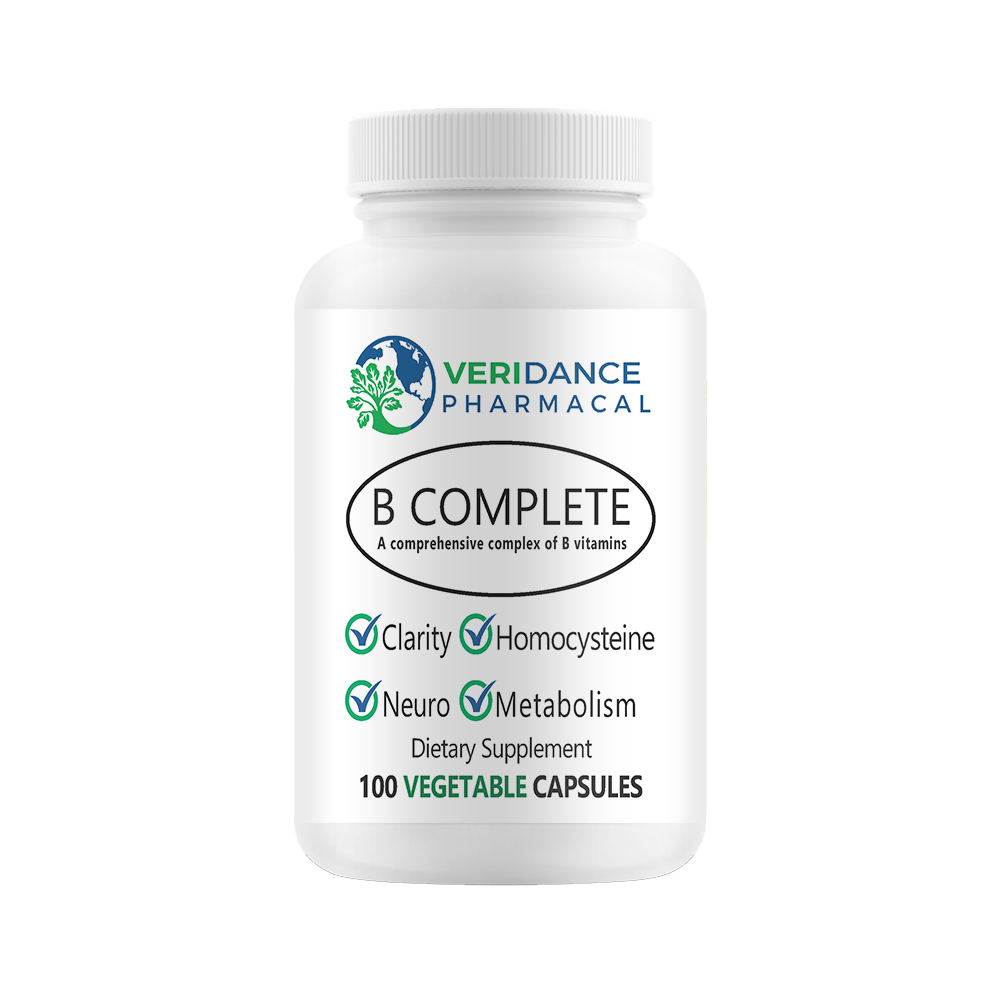
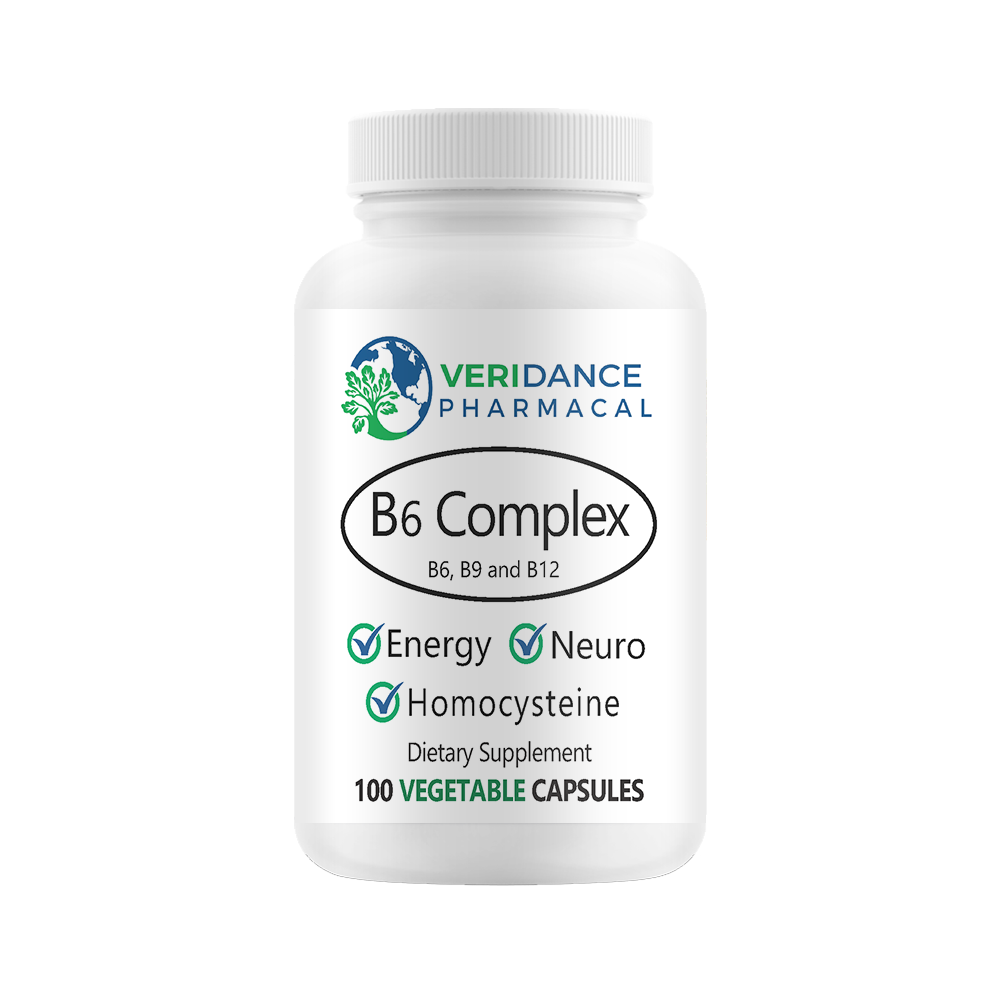
Magnesium is commonly used to support normal muscle and nervous system function, and many people look to it during periods of stress. Vitamin B complex products are often chosen for energy-yielding metabolism and normal psychological function, especially when life feels demanding. Omega-3 oils are well known in heart health conversations, and they may also be part of a wider routine aimed at mood and wellbeing.
What matters most is choosing supplements with a clear purpose rather than taking everything at once. If stress is affecting sleep and tension, your needs may be different from someone mainly focused on cardiovascular support. A simple, targeted routine usually makes more sense than an overcrowded cupboard.
For people who prefer a straightforward approach, GreenVits focuses on practical options such as magnesium, Vitamin B complexes and Omega-3 products that fit easily into a daily health routine.
When symptoms should not be put down to stress
It is easy to assume chest discomfort, palpitations or breathlessness are only emotional, especially during anxious periods. Sometimes that may be true, but it is not something to guess. If you have chest pain, severe shortness of breath, fainting, or symptoms that are new, persistent or worrying, seek medical advice promptly.
This is especially important if you already have high blood pressure, a heart condition, diabetes, high cholesterol or a family history of cardiovascular disease. Emotional stress can sit alongside physical heart issues, so it is sensible to get symptoms checked rather than self-diagnosing.
A steadier approach works best
Trying to remove all stress from life is not realistic. Supporting your heart is more about building steadiness than chasing perfection. If you sleep a bit better, move most days, eat in a way that keeps you fuelled, and give your nervous system regular chances to reset, you are moving in the right direction.
Emotions and heart health will always be linked because the body does not separate mental strain from physical strain as neatly as people often do. The good news is that small, consistent actions can support both. Start with one change that feels doable this week, and let that become your new baseline.