



The 3pm slump, a packed lunch eaten between meetings and another day spent under artificial light can make healthy habits feel harder than they should. The best supplements for office workers are not a substitute for meals, movement or sleep, but they can provide practical nutritional support when a desk-based routine leaves gaps.
For most people, the best place to start is not an overloaded cupboard of tablets. It is a small, considered routine based on your diet, lifestyle and the outcome you want to support: energy, stress management, mood, heart health or everyday wellbeing.
The best supplements for office workers: where to begin
Office work does not create a completely different set of nutritional needs. However, it can amplify familiar challenges. Indoor days may mean limited sun exposure. Busy mornings can lead to inconsistent breakfasts. Long periods of sitting, screen time and deadlines may also make tiredness or tension more noticeable.
A useful supplement routine focuses on nutrients that are commonly relevant to UK adults and that match your individual circumstances. Vitamin D, a quality vitamin B complex, magnesium and omega-3 are sensible categories to consider. You may not need all four. The right choice depends on what you already get from food, your health needs and any advice from a healthcare professional.
Vitamin D3 with K2 for indoor routines
Many office workers leave home in the morning, travel to work, sit indoors all day and return after dark for much of the year. That makes vitamin D a particularly practical consideration in the UK, where sunlight is limited during autumn and winter.
Vitamin D contributes to the normal function of the immune system, normal muscle function and the maintenance of normal bones and teeth. UK public health advice recommends that people consider a daily vitamin D supplement during autumn and winter, with some groups needing support throughout the year.
Vitamin D3 is a commonly chosen form. Some people prefer a Vitamin D3 with K2 product because vitamin K contributes to the maintenance of normal bones and normal blood clotting. It is a straightforward option for people looking to support bone-related nutrition in one daily dose.
There is an important exception: if you take anticoagulant medication such as warfarin, speak to your pharmacist, GP or specialist before taking vitamin K supplements. Do not assume that a supplement is suitable simply because it is widely available.
A vitamin B complex for energy and busy weeks
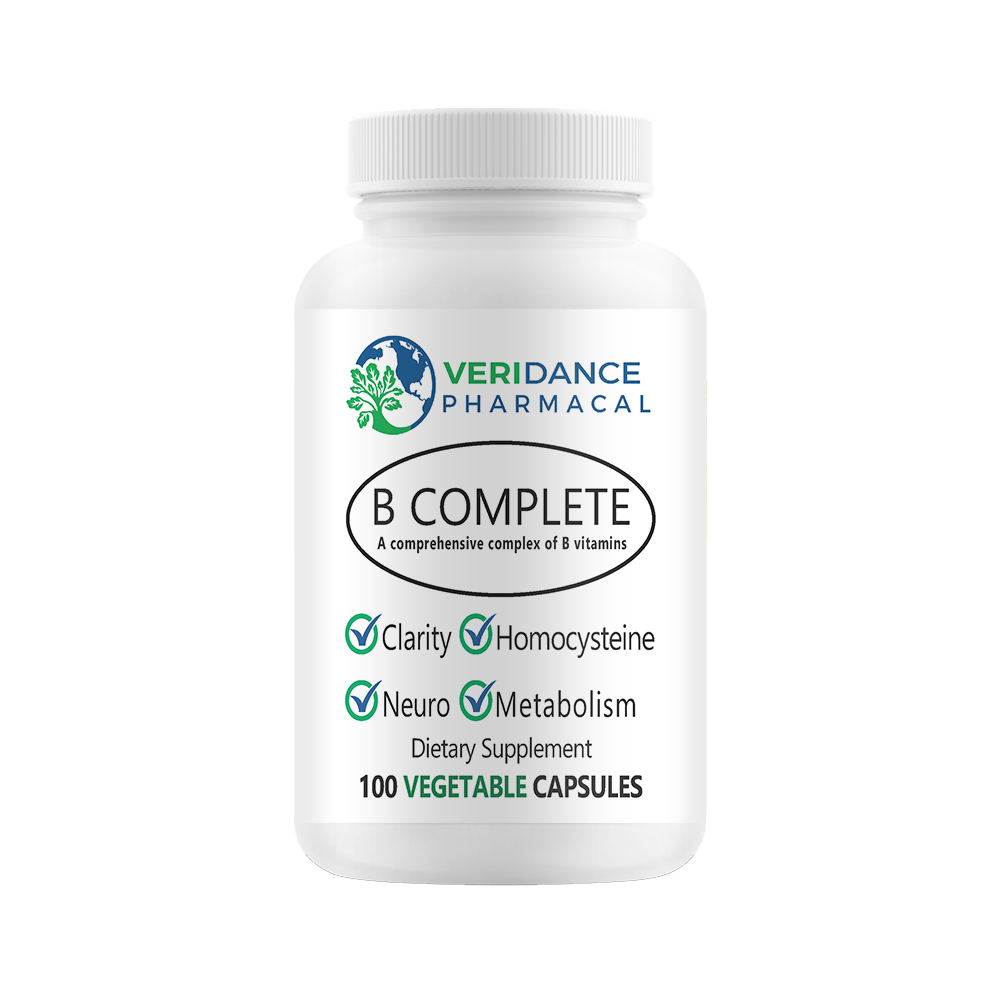
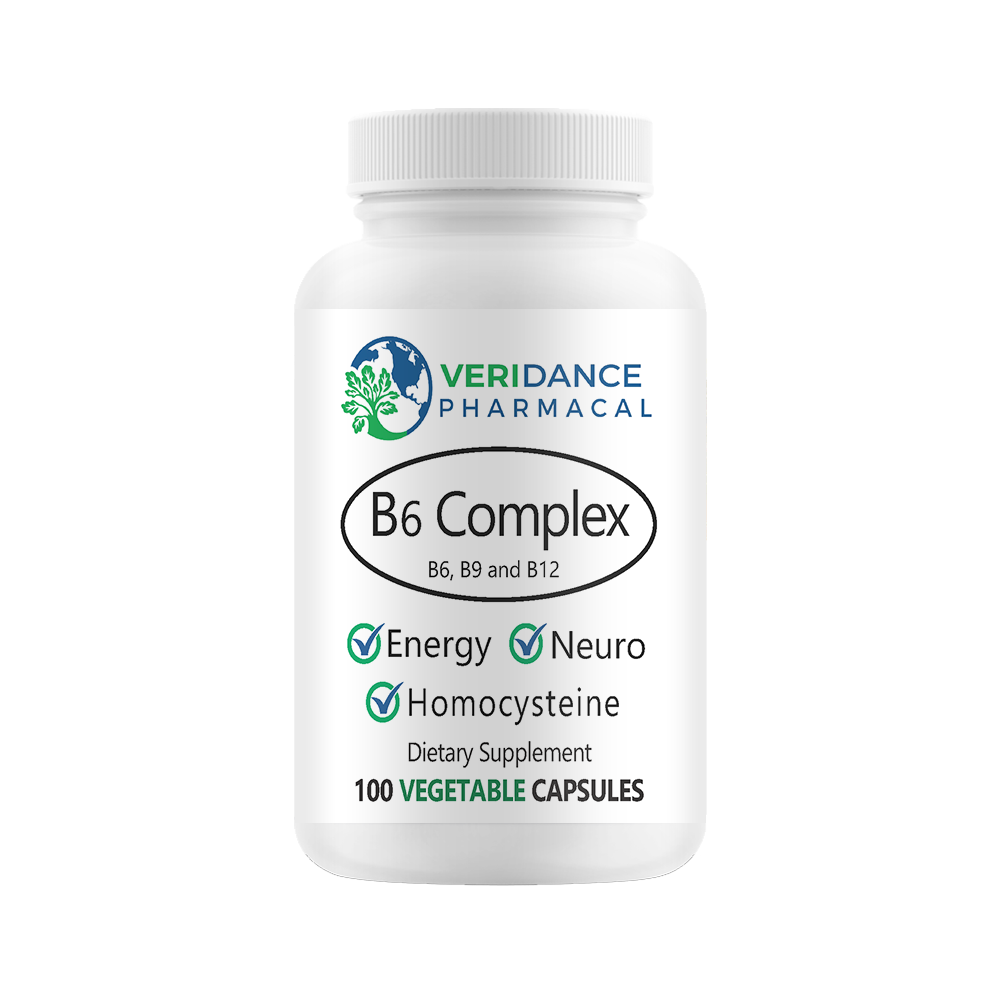
When work is demanding, it is tempting to look for something that promises instant energy. A vitamin B complex takes a more realistic role: B vitamins support normal energy-yielding metabolism, and several also contribute to the normal function of the nervous system and the reduction of tiredness and fatigue.
That does not mean a B complex can replace rest or turn a late night into a productive morning. It can, however, be a useful part of a consistent routine, particularly for adults whose diets are restricted, irregular or low in certain food groups. Vitamin B12 is especially relevant for people following vegan diets, while folate has specific importance before and during early pregnancy.
Choose a clear, high-quality formula with labelled amounts for each nutrient rather than taking multiple overlapping products without checking the labels. If you already use a multivitamin, an energy drink fortified with vitamins and a separate B complex, it is easy to duplicate your intake unnecessarily.
Magnesium for muscle function and normal psychological function
Magnesium is often considered by people whose days involve long desk sessions, little movement and difficulty switching off after work. It contributes to normal muscle function, normal psychological function, normal functioning of the nervous system and the reduction of tiredness and fatigue.
The form matters. Magnesium citrate is widely used and may suit people looking for an easily absorbed option, although it can be less suitable for anyone with a sensitive stomach at higher amounts. Other forms may be chosen for different preferences, but no single type is automatically best for everyone.
Taking magnesium with food can be more comfortable for some people. Check the elemental magnesium amount on the label rather than comparing capsule weights alone. More is not necessarily better: high supplemental intakes can cause digestive upset, particularly loose stools.
If you have kidney problems, take prescribed medicines or are unsure about a suitable amount, ask a healthcare professional before adding magnesium to your routine.
Omega-3 for everyday heart and brain support
A rushed working week can make it difficult to eat oily fish regularly. Omega-3 supplements can be a convenient option for people who do not eat fish or who want dependable daily support alongside a balanced diet.
EPA and DHA are the omega-3 fatty acids most people look for on a label. DHA contributes to the maintenance of normal brain function and normal vision at an appropriate daily intake, while EPA and DHA contribute to normal heart function at an appropriate daily intake. The precise amount matters, so look beyond the headline fish oil quantity and check how much EPA and DHA each serving provides.
Fish oil soft capsules are often convenient, while algae-derived omega-3 may be more appropriate for vegetarians and vegans. A supplement does not have to be unpleasant either. Taking it with a meal may help reduce aftertaste.
Anyone using blood-thinning medication, preparing for surgery or managing a medical condition should seek professional advice before taking omega-3 supplements, particularly at higher doses.
Do you need folic acid separately?
Folic acid has a specific role rather than being an all-purpose office supplement. Women who could become pregnant are generally advised to take a daily folic acid supplement before conception and until the 12th week of pregnancy. It supports maternal tissue growth during pregnancy and contributes to normal blood formation and normal psychological function.
For everyone else, a separate folic acid product may be appropriate in certain circumstances, but it is best chosen for a clear reason. High intakes of folic acid can mask a vitamin B12 deficiency, so do not self-prescribe high-dose folic acid for ongoing fatigue without discussing it with a healthcare professional.
How to build a routine you will actually keep
The most effective routine is usually the one you remember to take. Choose one or two supplements that fit your needs rather than starting several at once. Taking capsules with breakfast or keeping them beside your lunch essentials can make the habit easier to maintain.
It also helps to give a routine time. Nutritional support is generally about consistency, not a dramatic change after one day. Notice how you feel over several weeks, while keeping the bigger foundations in place: regular meals with protein and fibre, water throughout the day, short walks away from your desk and a reasonable bedtime.
Quality is worth considering too. Look for clearly stated nutrient amounts, suitable capsule formats and products made for straightforward daily use. For busy UK customers, having a focused choice of in-stock supplements can make reordering simpler. GreenVits keeps its range centred on practical everyday goals, including energy, stress support, mood, heart health and bone-related nutrient support.
When tiredness needs more than a supplement
Persistent fatigue, breathlessness, low mood, numbness, frequent headaches or a marked change in your usual energy should not be brushed off as office stress. These symptoms can have many causes, including nutritional deficiencies, and a supplement is not a diagnosis.
Speak to your GP or another qualified healthcare professional if symptoms are ongoing, severe or affecting daily life. This is particularly important if you are pregnant, breastfeeding, have a long-term health condition or take regular medication.
A well-chosen supplement can support a busy working life, but it works best as one calm, consistent part of looking after yourself. Start with the nutrient most relevant to your routine, take it as directed and let simple daily habits do the rest.